

We are a digital agency helping businesses develop immersive, engaging, and user-focused web, app, and software solutions.
2310 Mira Vista Ave
Montrose, CA 91020

2500+ reviews based on client feedback
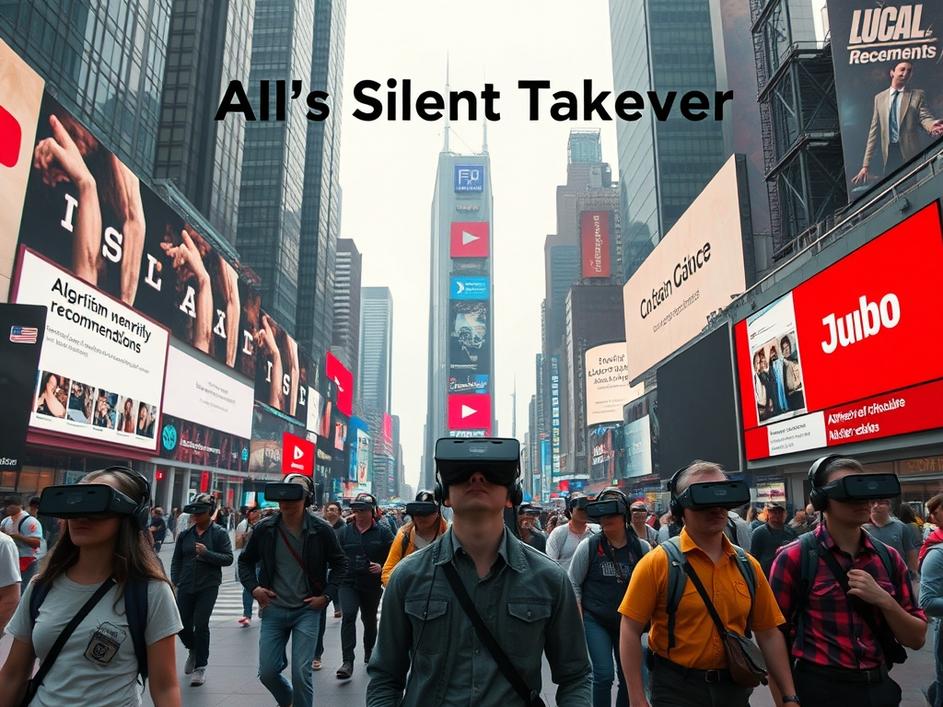
We’re all aware that artificial intelligence is rapidly changing how things work. From writing code to creating art, AI seems to be everywhere. But Elon Musk recently highlighted something about AI’s impact on YouTube that many people haven’t considered. It’s not just about AI generating content; it’s about how AI is curating and controlling what we see and, consequently, what we think.
Musk’s observation revolves around the idea that YouTube’s recommendation algorithm, a form of AI, subtly dictates the content we consume. This algorithm isn’t just suggesting videos; it’s shaping our interests and perspectives. And while it sounds like science fiction, the implications are incredibly real. It’s like having a personalized TV guide that never lets you change the channel, gradually molding your preferences over time.
The scary part is that this AI-driven curation can create echo chambers. If you watch a few videos on a particular topic, the algorithm will feed you more of the same, reinforcing your existing views. This isn’t necessarily a bad thing if you’re looking for more information on something you’re interested in. But it becomes problematic when it limits your exposure to diverse perspectives, potentially leading to polarization and a skewed understanding of the world. Think about it: are you really discovering new things on YouTube, or are you just seeing variations of what you already like?
YouTube’s AI has become incredibly sophisticated at predicting what will keep you glued to the screen. This is not necessarily to make you happy but to maximize your watch time. The algorithm uses clickbait tactics to keep you engaged. This can lead to hours spent watching content that isn’t necessarily informative or enriching but simply addictive. It’s a subtle form of manipulation, where our curiosity is exploited for profit. And because the AI is constantly learning and adapting, it’s becoming harder and harder to resist its pull.
So, what do we do about this? Should we be worried about AI controlling our media consumption? The answer is probably a bit of both. On the one hand, AI-powered algorithms can help us discover content we might never have found otherwise. On the other hand, they can also limit our exposure to different viewpoints and manipulate our interests. The key is to be aware of how these algorithms work and to take steps to control our own media diets. That might mean actively seeking out diverse perspectives, limiting your time on YouTube, or using browser extensions that disrupt the algorithm’s recommendations. It’s about taking back control of your attention and your mind.
One practical step you can take is to actively manage your YouTube subscriptions. Instead of passively accepting whatever the algorithm throws your way, curate a list of channels that represent a wide range of viewpoints and interests. And don’t be afraid to unsubscribe from channels that no longer serve you or that reinforce echo chambers. This will give you more control over the content you see and help you break free from the algorithm’s grip.
Ultimately, the challenge is to ensure that AI serves humanity, rather than the other way around. We need to find ways to incorporate human values and ethical considerations into the design of AI algorithms. This means prioritizing diversity, fairness, and transparency in how these algorithms are developed and deployed. It also means holding tech companies accountable for the impact of their AI systems on society. It’s a complex problem with no easy solutions, but it’s one that we can no longer afford to ignore.
Musk’s observation should serve as a wake-up call. We need to be more aware of the subtle ways in which AI is shaping our lives, especially when it comes to something as ubiquitous as YouTube. By understanding how these algorithms work and taking steps to control our own media consumption, we can prevent AI from becoming a tool for manipulation and control. It’s about reclaiming our agency in the digital age and ensuring that technology serves our best interests.
The conversation sparked by Musk extends beyond YouTube. It raises bigger questions about the role of AI in shaping our perceptions, beliefs, and even our identities. As AI becomes more integrated into our lives, we need to have ongoing discussions about the ethical implications and potential consequences. The future of AI and media depends on our ability to critically assess its impact and take proactive steps to ensure that it aligns with our values and goals. The revolution isn’t just about the technology; it’s about how we use it and how it uses us.



Comments are closed