

We are a digital agency helping businesses develop immersive, engaging, and user-focused web, app, and software solutions.
2310 Mira Vista Ave
Montrose, CA 91020

2500+ reviews based on client feedback
What's Included?
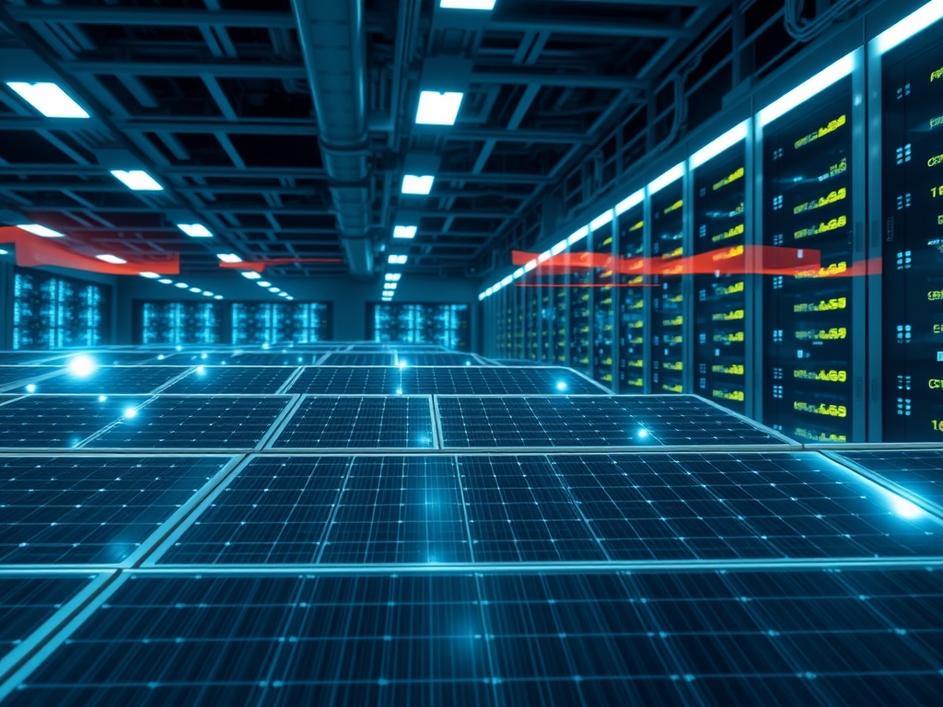
ToggleArtificial intelligence is rapidly changing our world, promising incredible advancements in everything from medicine to transportation. But behind the scenes, there’s a growing concern about the immense energy consumption required to power these AI systems. Think of the massive data centers that house the servers running complex algorithms; they’re like giant digital brains, constantly crunching numbers and requiring vast amounts of electricity. And as AI gets even more sophisticated, its hunger for power will only increase.
To address this growing demand, some of the biggest tech companies are reportedly exploring building their own off-grid power plants. This is a significant shift, suggesting that current energy infrastructure might not be sufficient to handle the future needs of AI. Instead of relying solely on traditional power grids, these companies are considering generating their own electricity, giving them more control over their energy supply and potentially reducing their carbon footprint, depending on the energy source they decide to utilize.
Several factors could be driving this move towards self-sufficiency. Firstly, reliability. Data centers are crucial infrastructure, and any power outage can have serious consequences, leading to data loss, service disruptions, and financial repercussions. Having a dedicated power source ensures a more stable and consistent energy supply. Secondly, cost. Depending on the region and energy source, generating their own electricity could potentially be more cost-effective in the long run than purchasing it from the grid. And thirdly, sustainability. Tech companies are facing increasing pressure to reduce their environmental impact. Building their own power plants allows them to invest in renewable energy sources, such as solar or wind, and reduce their reliance on fossil fuels.
This move could potentially transform tech companies into energy companies, blurring the lines between the two industries. Imagine companies not only developing AI but also owning and operating power plants. This would give them immense control over the entire AI ecosystem, from the algorithms themselves to the energy that powers them. It also raises some interesting questions about regulation and competition. Will these companies be subject to the same regulations as traditional energy providers? And will their control over both AI and energy give them an unfair advantage over smaller players?
The environmental implications of this trend are complex. On one hand, it could drive investment in renewable energy sources and accelerate the transition to a cleaner energy future. On the other hand, if these companies opt for fossil fuels to power their data centers, it could exacerbate climate change. The choice of energy source will be critical in determining the overall environmental impact. Furthermore, the construction and operation of power plants, regardless of the energy source, can have significant environmental impacts, including habitat destruction and air and water pollution. Therefore, careful planning and environmental safeguards are essential.
Data centers, the physical hubs of the digital world, are increasingly becoming the focus of attention in the energy sector. Their massive energy demands are putting a strain on existing infrastructure and raising concerns about sustainability. As AI continues to develop, the energy consumption of data centers will only increase, making it crucial to find innovative solutions to address this challenge. The decisions made by tech companies regarding their energy sources will have a profound impact on the future of both AI and the environment.
The potential for tech companies to build their own power plants signifies a potentially significant shift in how energy is produced and consumed. It demonstrates a growing awareness of the interconnectedness between technology and energy and the need for sustainable solutions to power the digital world. This move could inspire other industries to explore alternative energy solutions and move towards greater self-sufficiency. It could also pave the way for new business models and technological innovations in the energy sector, ultimately leading to a more resilient and sustainable energy future.
The decision by tech companies to build their own power plants represents a pivotal moment. It’s an opportunity to invest in renewable energy sources and create a more sustainable future. However, it’s also a risk if they choose to rely on fossil fuels, which would exacerbate climate change. The path they choose will have significant consequences for the environment, the economy, and the future of AI. Therefore, it’s crucial that these companies make informed decisions, prioritize sustainability, and engage in transparent dialogue with stakeholders to ensure a responsible and equitable energy future.
In conclusion, the intersection of AI and power generation presents both challenges and opportunities. The increasing energy demands of AI are driving tech companies to explore new solutions, including building their own off-grid power plants. This trend has the potential to transform both the tech and energy industries, but it also raises important questions about sustainability, regulation, and competition. The choices made today will shape the future of AI and the environment for generations to come. It is up to companies, governments, and individuals to ensure that these choices lead to a more sustainable and equitable future for all.


Comments are closed