

We are a digital agency helping businesses develop immersive, engaging, and user-focused web, app, and software solutions.
2310 Mira Vista Ave
Montrose, CA 91020

2500+ reviews based on client feedback
What's Included?
ToggleThe buzz around artificial intelligence is deafening. We’re promised smarter homes, self-driving cars, and breakthroughs in medicine. But behind the curtain of algorithms and neural networks lies a less glamorous truth: AI needs a *lot* of electricity. As AI development accelerates, data centers are popping up everywhere, and these centers are power-hungry beasts. This surge in demand is putting a strain on our existing power grids, raising questions about whether we can keep the lights on while fueling the AI revolution.
Think about what happens when you ask an AI chatbot a question. That query isn’t just answered by magic. It gets routed to a massive data center filled with servers. These servers crunch numbers, access databases, and run complex calculations to give you an answer, and all that activity consumes tremendous amounts of electricity. It’s not just the servers themselves; cooling systems are vital to prevent overheating. These cooling systems, whether they’re air conditioning units or liquid cooling setups, add significantly to the energy bill. The more complex the AI, the more powerful the hardware needed, and the more electricity is used. Traditional data centers already use a lot of energy, but AI-focused data centers are on a whole new level.
For years, electricity demand has been relatively stable. But now, experts predict a surge – potentially as high as 25% – driven by AI, the growing number of data centers, and the push for electrification in transportation and heating. Our power grids, built for a different era, may struggle to keep up. The current infrastructure wasn’t designed to handle this sudden spike in demand. We could face brownouts, blackouts, or simply higher electricity prices as utilities scramble to meet the need. Upgrading the grid is a massive undertaking, requiring billions of dollars in investment and years of construction. We need to start planning and acting now to avoid a potential energy crisis.
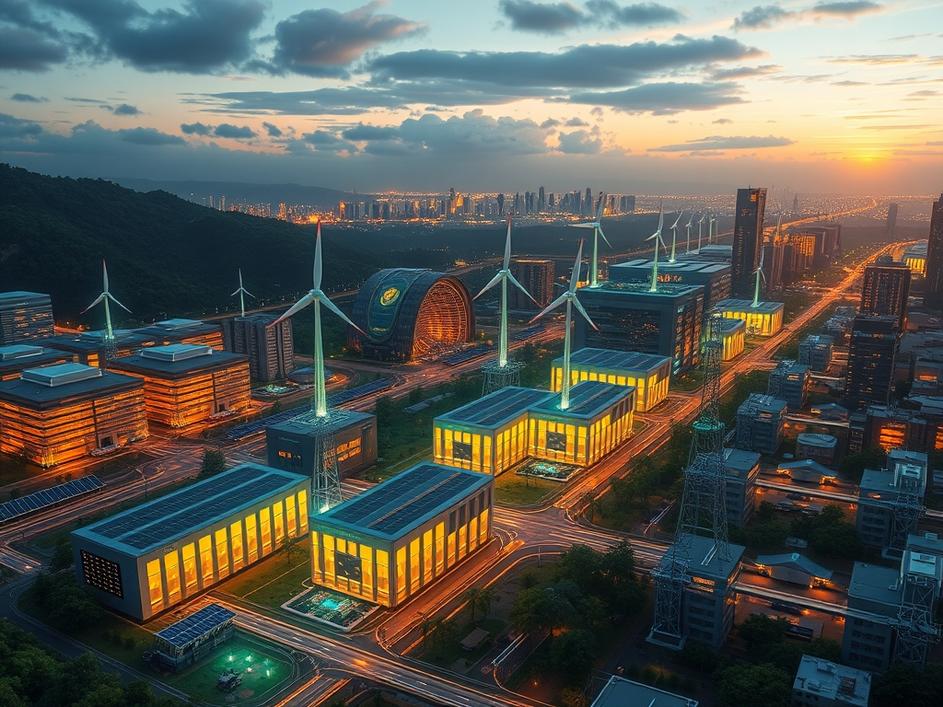
So, where will all this extra electricity come from? There are several possibilities, each with its own set of challenges. Renewable energy sources like solar and wind are part of the solution, but they’re not always reliable. The sun doesn’t shine at night, and the wind doesn’t always blow. Nuclear power could provide a stable, carbon-free source of energy, but it faces public opposition and regulatory hurdles. Natural gas is a readily available option, but it contributes to greenhouse gas emissions. Finding the right mix of energy sources is crucial. We need a diverse portfolio that balances reliability, cost, and environmental impact. Energy storage solutions, like batteries, are also becoming increasingly important for smoothing out the intermittency of renewable sources.
While increasing electricity generation is essential, improving energy efficiency is equally important. We need to make data centers more efficient by using better cooling technologies, optimizing server utilization, and developing more energy-efficient AI algorithms. Think about it – if we can train an AI model using less computational power, we can reduce its energy footprint. This requires innovation in hardware and software design. Furthermore, we need to consider the location of data centers. Placing them in cooler climates can reduce the need for extensive cooling systems. Small changes in data center design and AI algorithm optimization can lead to significant energy savings across the board. We need to squeeze every bit of efficiency out of these systems.
The rising demand for electricity has economic and societal implications. Higher electricity prices could impact businesses and consumers alike. Energy-intensive industries may struggle to remain competitive. Lower-income households could face a greater burden from increased energy costs. Addressing these challenges requires careful planning and policy decisions. Governments and utilities need to work together to ensure affordable and reliable energy for everyone. We need to invest in infrastructure upgrades, promote energy efficiency, and support the development of clean energy technologies. A sustainable energy future is essential for a thriving economy and a just society. Innovation and forward-thinking are key.
The AI revolution presents both opportunities and challenges. It has the potential to transform our lives in countless ways, but it also demands a significant amount of energy. Meeting this demand requires a multi-faceted approach. We need to invest in cleaner energy sources, upgrade our power grids, and improve energy efficiency. We also need to have open and honest conversations about the costs and benefits of AI. By planning ahead and making smart choices, we can ensure that the AI revolution powers a brighter, more sustainable future for all.



Comments are closed