

We are a digital agency helping businesses develop immersive, engaging, and user-focused web, app, and software solutions.
2310 Mira Vista Ave
Montrose, CA 91020

2500+ reviews based on client feedback
What's Included?
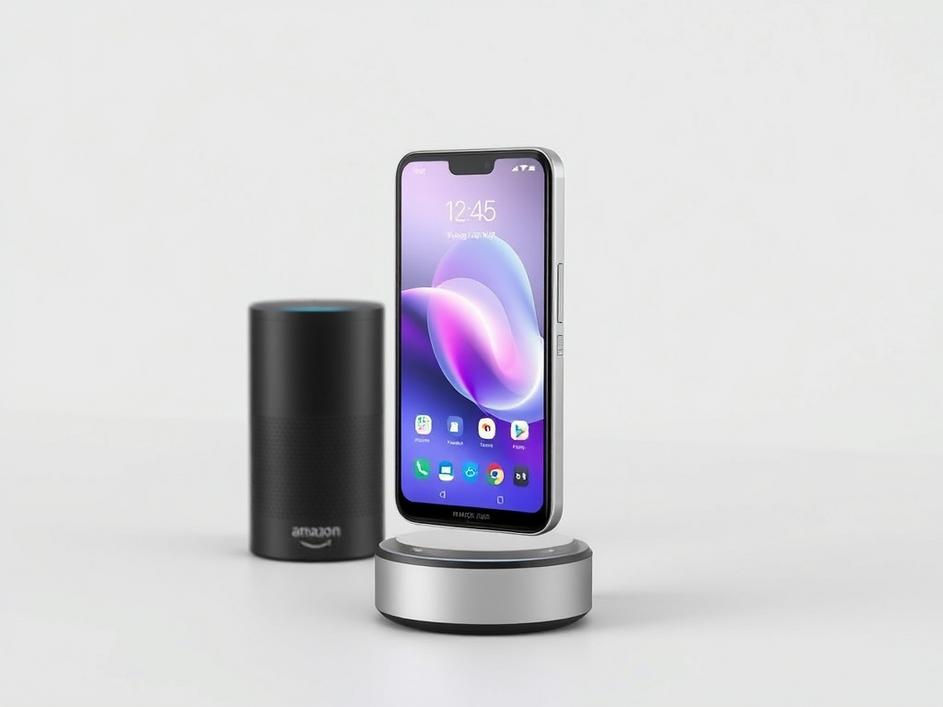
ToggleIt seems like ancient history in the tech world, but many still remember Amazon’s foray into the smartphone market with the Fire Phone. It didn’t exactly set the world on fire (pun intended). Plagued by a confusing interface, limited app selection, and a hefty price tag, it quickly faded into obscurity. Now, more than ten years later, rumors are swirling that Amazon is gearing up for another attempt, this time with a project codenamed ‘Transformer.’ Will they manage to rewrite their smartphone story, or is this another destined-for-the-discount-bin gamble?
Details about ‘Transformer’ are still scarce, but the name itself suggests a different approach. Could this be a modular phone, allowing users to customize components? Or perhaps it hints at a software-focused device, seamlessly integrating Amazon’s services and AI capabilities? Amazon has learned a lot in the last decade, particularly in areas like voice assistance with Alexa, cloud computing with AWS, and hardware design with the Echo and Kindle devices. This accumulated expertise could give them a significant advantage this time around. The initial failure of the Fire Phone likely provided invaluable insights into what not to do.
The smartphone market is a vastly different place than it was in 2014. Apple and Samsung still dominate, but companies like Google, with its Pixel line, and various Chinese manufacturers are also major players. Consumers are more discerning and less likely to be swayed by gimmicks. A new entrant needs a compelling reason to exist, a feature or ecosystem that genuinely sets it apart. Amazon’s strength lies in its vast ecosystem of services and its deep understanding of consumer behavior. If they can successfully integrate these elements into a user-friendly and innovative smartphone, they might have a chance.
One area where Amazon has a clear advantage is its ecosystem. Millions of people are already deeply invested in Amazon Prime, using its shopping, streaming, and cloud storage services daily. Imagine a phone that seamlessly integrates with these services, offering exclusive benefits and features. A shopping experience that’s tightly interwoven with the phone’s interface, making purchases as simple as a tap. Integration with Alexa for hands-free control of smart home devices. These are the kinds of features that could draw users into the Amazon smartphone world. The key will be to do it in a way that feels natural and helpful, rather than intrusive or forced.
The Fire Phone’s biggest flaw was arguably its reliance on gimmicks rather than genuine innovation. The dynamic perspective feature, which shifted the display based on the user’s viewing angle, was more distracting than useful. The phone also lacked access to the full range of Google apps, a major disadvantage for many users. Amazon needs to avoid these pitfalls with ‘Transformer.’ Focus on core functionality, a clean and intuitive user interface, and compatibility with popular apps. Price will also be a critical factor. To compete with established players, Amazon will likely need to offer the ‘Transformer’ at a competitive price point, even if it means sacrificing some profit margin initially.
Given Amazon’s significant investments in artificial intelligence, it’s highly likely that AI will play a major role in ‘Transformer.’ This could manifest in a variety of ways, from enhanced voice control and personalized recommendations to advanced camera features and improved battery management. Imagine a phone that proactively anticipates your needs, learns your preferences, and adapts to your behavior. This level of AI integration could be a major differentiator, attracting users who are looking for a truly smart and intuitive smartphone experience. It could also seamlessly connect your Amazon devices and services within an artificial intelligence framework.
Developing a successful smartphone is a monumental challenge, even for a company as large and resourceful as Amazon. The market is saturated, competition is fierce, and consumers are demanding. But Amazon has a few things going for it: a vast ecosystem, deep pockets, and a hard-earned lesson from the Fire Phone debacle. If they can learn from their past mistakes, focus on genuine innovation, and leverage their existing strengths, they might just have a chance to shake up the smartphone world with ‘Transformer.’ The question is, can they truly transform their image and deliver a device that consumers actually want?
Amazon’s decision to re-enter the smartphone market is undoubtedly a calculated risk. The Fire Phone’s failure is a stark reminder of the challenges involved. However, the potential rewards are significant. A successful smartphone could further solidify Amazon’s ecosystem, drive sales of its other products and services, and give it a stronger foothold in the mobile space. Whether ‘Transformer’ will be a hit or another flop remains to be seen, but one thing is certain: the tech world will be watching closely.



Comments are closed