

We are a digital agency helping businesses develop immersive, engaging, and user-focused web, app, and software solutions.
2310 Mira Vista Ave
Montrose, CA 91020

2500+ reviews based on client feedback
What's Included?
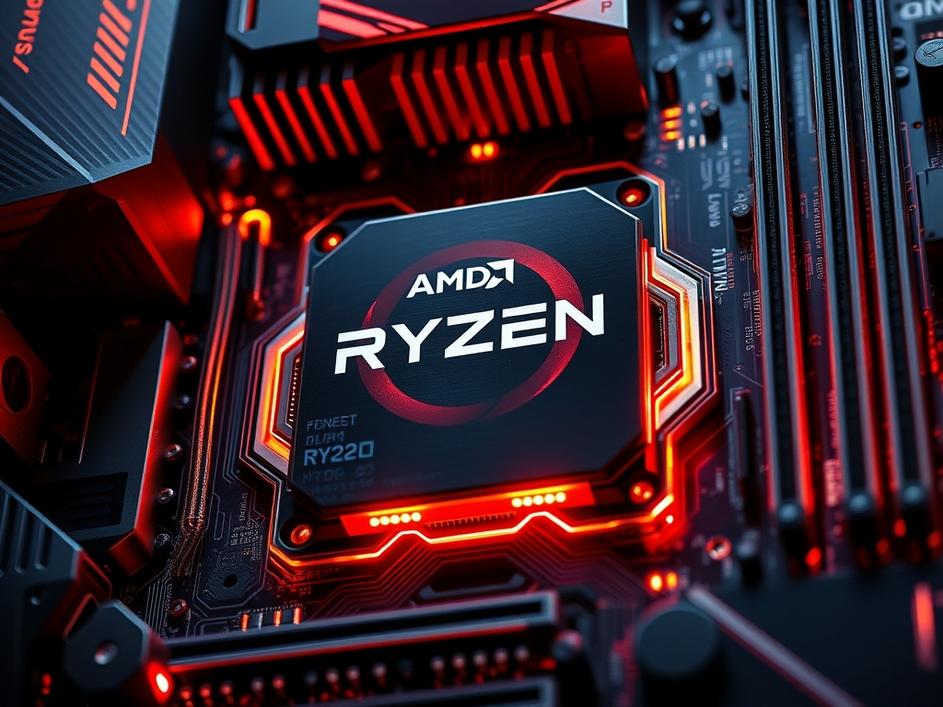
ToggleAdvanced Micro Devices (AMD) has been on an impressive journey, morphing from a persistent underdog to a serious contender in the semiconductor industry. For years, they played second fiddle to Intel in CPUs and Nvidia in GPUs. But smart strategic decisions, coupled with some technological breakthroughs, have propelled them into the spotlight. The release of their Ryzen processors marked a turning point, offering compelling performance that shook up the market. And it wasn’t just about desktops; their EPYC server processors have been steadily gaining traction in data centers, challenging Intel’s long-held dominance.
AMD’s success isn’t solely based on innovative chip designs. They’ve also been incredibly savvy in securing deals with hyperscale data centers – the massive computing infrastructure that powers the internet’s biggest players. Think of companies like Google, Amazon, and Microsoft; they require immense processing power, and AMD has positioned itself as a key provider. These deals are huge wins, not only for revenue but also for credibility. Being selected by these giants validates AMD’s technology and demonstrates its ability to meet the demanding requirements of modern cloud computing.
What exactly is driving AMD’s success? A lot of it boils down to their focus on chiplet designs. Instead of creating one giant, monolithic chip, they build smaller, modular units (chiplets) and connect them. This approach offers several advantages. It’s often more cost-effective to manufacture, as smaller chiplets have a higher yield rate (fewer defects). It also allows for greater flexibility in design, making it easier to mix and match different components. And let’s not forget the importance of TSMC, the Taiwanese semiconductor manufacturing company. AMD relies heavily on TSMC for manufacturing its chips, and TSMC’s leading-edge processes have been instrumental in AMD’s ability to deliver high-performance products.
Despite the positive momentum, there are legitimate concerns about AMD’s valuation. The stock has seen significant growth, and some analysts believe it may be overvalued relative to its earnings. The semiconductor industry is cyclical, and demand can fluctuate significantly. Furthermore, competition is fierce. Intel is working hard to regain its footing, and Nvidia continues to innovate in the GPU space. AMD needs to consistently execute and deliver on its promises to justify its current valuation. They will also need to continue to capture market share and adapt to new market segments like AI accelerators in order to continue their growth.
Looking ahead, AMD faces both significant opportunities and potential risks. The growth of AI presents a massive opportunity, as demand for specialized processors is exploding. AMD is making inroads into this market, but it’s also a highly competitive space. Geopolitical tensions also add a layer of complexity. The semiconductor industry is highly globalized, and any disruptions to supply chains could have a significant impact. And of course, there’s always the risk of technological disruption. A new, innovative technology could emerge that renders existing approaches obsolete. AMD must remain agile and adaptable to navigate these challenges.
AMD’s story is more than just a company’s success; it reflects a broader shift in the tech landscape. It demonstrates the importance of innovation, strategic partnerships, and adaptability. It also highlights the cyclical nature of the semiconductor industry and the need for vigilance. AMD has proven that it can compete with the giants, but maintaining that position requires continuous effort and a willingness to embrace change. The company’s stock price reflects very optimistic growth, so the coming years will be crucial in determining whether or not the company can deliver on those expectations.
In conclusion, AMD’s journey is a fascinating case study in the technology world. They have overcome significant challenges and emerged as a major player. While valuation concerns are valid, the company’s technological prowess and strategic positioning make it a compelling story to follow. Whether they can sustain their current trajectory remains to be seen, but one thing is certain: AMD has redefined the competitive landscape of the semiconductor industry, and they are a force to be reckoned with for years to come.



Comments are closed