

We are a digital agency helping businesses develop immersive, engaging, and user-focused web, app, and software solutions.
2310 Mira Vista Ave
Montrose, CA 91020

2500+ reviews based on client feedback
What's Included?
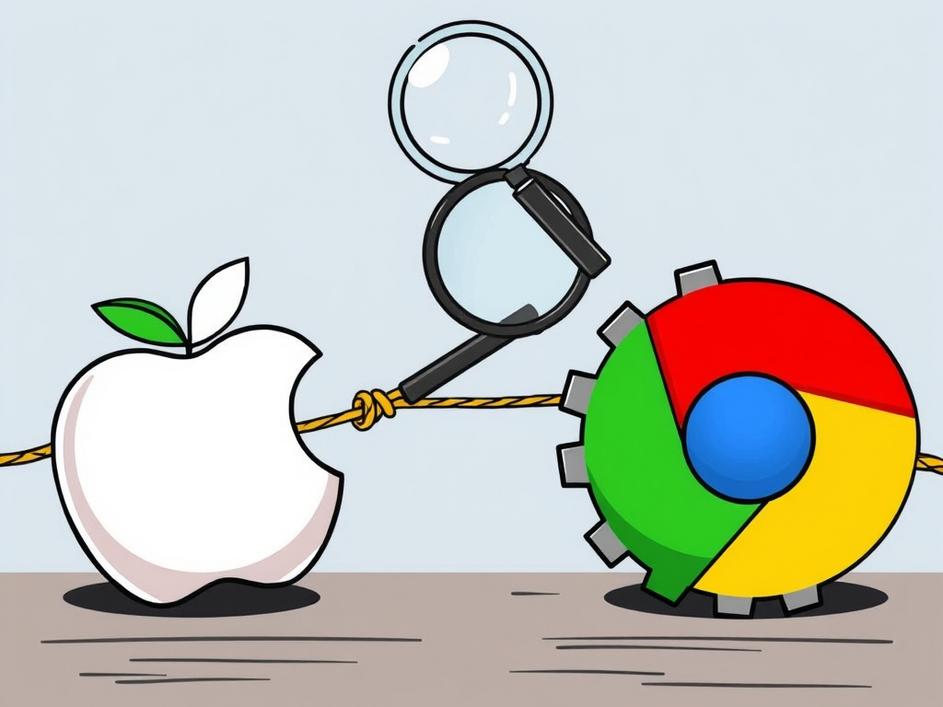
ToggleApple has thrown down the gauntlet, directly suggesting that iPhone users ditch Google Chrome. The core of the issue? Apple claims Safari offers superior privacy protection. This isn’t just a minor jab; it’s a full-on declaration of war in the browser arena, highlighting the ever-present concerns about data privacy in the digital age.
What exactly fueled Apple’s strong words? It boils down to how each browser handles user data. Apple argues that Safari is built with privacy as a fundamental principle. It actively works to block trackers, prevent cross-site scripting, and limit the amount of personal information websites can collect. Chrome, on the other hand, faces criticism for its connection to Google’s vast advertising network. Google uses the data collected through its services, including Chrome, to personalize ads and generate revenue. This data collection, even if anonymized, makes some users uneasy, particularly those concerned about surveillance capitalism.
Google contends that data collection is essential for providing a personalized and relevant browsing experience. Features like autofill, suggested search terms, and tailored news feeds rely on user data. Google also emphasizes its commitment to transparency and user control. Users can manage their privacy settings within Chrome, opting out of certain data collection practices and clearing their browsing history. The issue, however, is that many users aren’t fully aware of the extent of data collection or how to effectively manage their privacy settings. Google’s privacy policies can also be complicated and hard to understand.
So, what’s an iPhone user to do? The decision to switch from Chrome to Safari isn’t always easy. Chrome users might be deeply integrated into Google’s ecosystem, relying on services like Gmail, Google Drive, and Google Photos. Switching to Safari could mean giving up some of that seamless integration. But, for users prioritizing privacy above all else, Safari presents a compelling alternative. The decision hinges on weighing the convenience of Google’s services against the potential privacy risks associated with data collection.
This clash between Apple and Google underscores a larger debate about the role of technology companies in our lives. How much data should these companies be allowed to collect? How transparent should they be about their data collection practices? And how much control should users have over their own data? These are critical questions that demand careful consideration, not just from tech giants, but also from policymakers and individuals. The future of the internet depends on finding a balance between innovation, personalization, and privacy.
Regardless of which browser you choose, there are several steps you can take to bolster your online privacy. Regularly review your privacy settings in both Chrome and Safari. Use a reputable VPN (Virtual Private Network) to encrypt your internet traffic and mask your IP address. Consider installing privacy-focused browser extensions that block trackers and cookies. Be mindful of the websites you visit and the information you share online. And perhaps most importantly, educate yourself about the latest privacy threats and best practices.
The battle for online privacy is far from over. As technology evolves, new challenges and threats will undoubtedly emerge. It’s up to us, as users, to demand greater transparency and control over our data. By staying informed, taking proactive steps to protect our privacy, and holding tech companies accountable, we can help shape a future where privacy is not just an afterthought, but a fundamental right.
Ultimately, the choice between Chrome and Safari, or any other browser, is a personal one. There is no single “right” answer. Carefully consider your own needs and priorities. If privacy is paramount, Safari might be the better option. But if you’re deeply embedded in Google’s ecosystem and comfortable with its data collection practices, Chrome might still be a viable choice. The key is to make an informed decision based on your own individual circumstances.



Comments are closed