

We are a digital agency helping businesses develop immersive, engaging, and user-focused web, app, and software solutions.
2310 Mira Vista Ave
Montrose, CA 91020

2500+ reviews based on client feedback
What's Included?
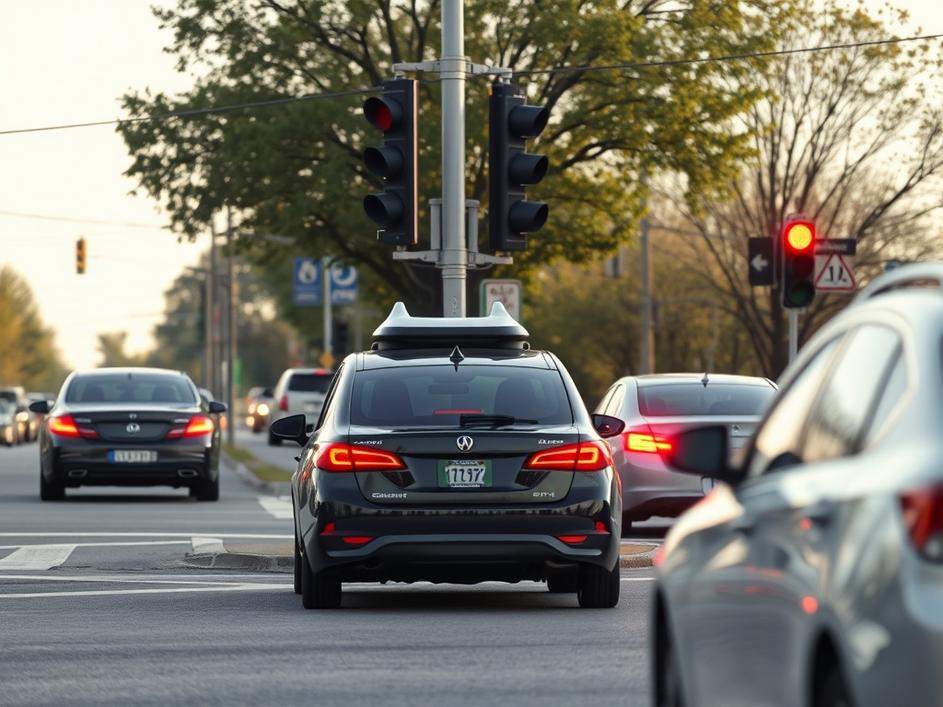
ToggleSelf-driving cars are no longer a futuristic fantasy; they’re hitting the roads, albeit cautiously. Waymo, one of the leading companies in this space, has been testing and deploying its autonomous vehicles in select cities. But as these robots navigate our streets, a question arises: are they too nice for their own good? A recent report highlighted that Waymo vehicles might be a little too polite, causing some unexpected traffic snags.
The core issue is that Waymo’s self-driving cars sometimes lack the assertiveness needed to navigate typical traffic scenarios. Human drivers often rely on subtle cues, quick decisions, and a touch of aggressiveness to merge, change lanes, or proceed through intersections. These unwritten rules of the road, developed over decades of shared experience, aren’t always easily translated into lines of code. The result? Waymo cars can hesitate, yield unnecessarily, and generally behave in a way that disrupts the flow of traffic.
Think about a four-way stop. Humans often make eye contact, subtly signal their intentions, and then proceed in a relatively predictable (if sometimes chaotic) manner. A Waymo car, on the other hand, might wait for a completely unambiguous opening, even if it means sitting there longer than a human driver would. This can lead to frustration from other drivers and even create potential safety hazards as humans try to anticipate the robot’s behavior. The same goes for merging onto a busy highway. A human driver will often nudge their way in, relying on a combination of signaling and gentle pressure. A Waymo car might wait for a perfectly clear gap, which may never appear, causing it to miss opportunities and potentially impede the flow of traffic behind it.
Waymo is aware of this “politeness problem” and is actively working to adjust its algorithms. The goal isn’t to turn their self-driving cars into aggressive road warriors, but rather to strike a balance between safety and assertiveness. This involves teaching the cars to better understand and anticipate the behavior of human drivers. For instance, the system needs to learn to recognize subtle cues, such as a driver slowing down or making eye contact, and to interpret these cues in a way that allows the car to make more confident decisions. It also means incorporating a degree of “calculated risk” into the car’s decision-making process. Just as human drivers sometimes need to take a chance to merge or proceed through an intersection, Waymo cars need to be able to do the same, but in a way that is always safe and responsible.
The challenges Waymo is facing highlight the complexities of developing truly autonomous vehicles. It’s not enough to simply program a car to follow traffic laws; it also needs to be able to navigate the nuances of human interaction on the road. This requires a deep understanding of human psychology, social norms, and the often-unpredictable behavior of drivers. And it’s not just about the code itself, but testing the reactions in the real world. How will other cars react to the self-driving cars? Will other drivers take advantage of a vehicle that is too cautious? Will people start acting more aggressively around self-driving cars? These are all questions that Waymo and other companies in the autonomous driving space are grappling with.
Of course, safety remains the paramount concern. No one wants self-driving cars to become aggressive drivers, causing accidents and endangering lives. The challenge is to find the right balance between assertiveness and caution, ensuring that autonomous vehicles can navigate traffic effectively without compromising safety. This will require ongoing testing, refinement of algorithms, and a willingness to adapt to the ever-changing dynamics of the road. The other big concern is the unexpected. Humans are often creative in terms of finding new ways to cause a wreck. How will self-driving cars react to something the programmers haven’t seen before?
The development of self-driving cars is a collaborative effort, requiring the expertise of engineers, psychologists, policymakers, and the public. As these technologies continue to evolve, it’s important to have open and honest conversations about the challenges and opportunities they present. By working together, we can ensure that autonomous vehicles are not only safe and efficient but also integrated seamlessly into our society.
The issue of driving etiquette for self-driving cars underscores the delicate balance between technological advancement and human behavior. As Waymo and other companies refine their algorithms, the goal is to create autonomous vehicles that can navigate the roads safely and efficiently, without being overly passive or disruptive. The journey towards full autonomy is an ongoing process, requiring continuous learning, adaptation, and a deep understanding of the human element in driving. Ultimately, the success of self-driving cars will depend not only on their technical capabilities but also on their ability to integrate seamlessly into the complex and often unpredictable world of human drivers.



Comments are closed