

We are a digital agency helping businesses develop immersive, engaging, and user-focused web, app, and software solutions.
2310 Mira Vista Ave
Montrose, CA 91020

2500+ reviews based on client feedback
What's Included?
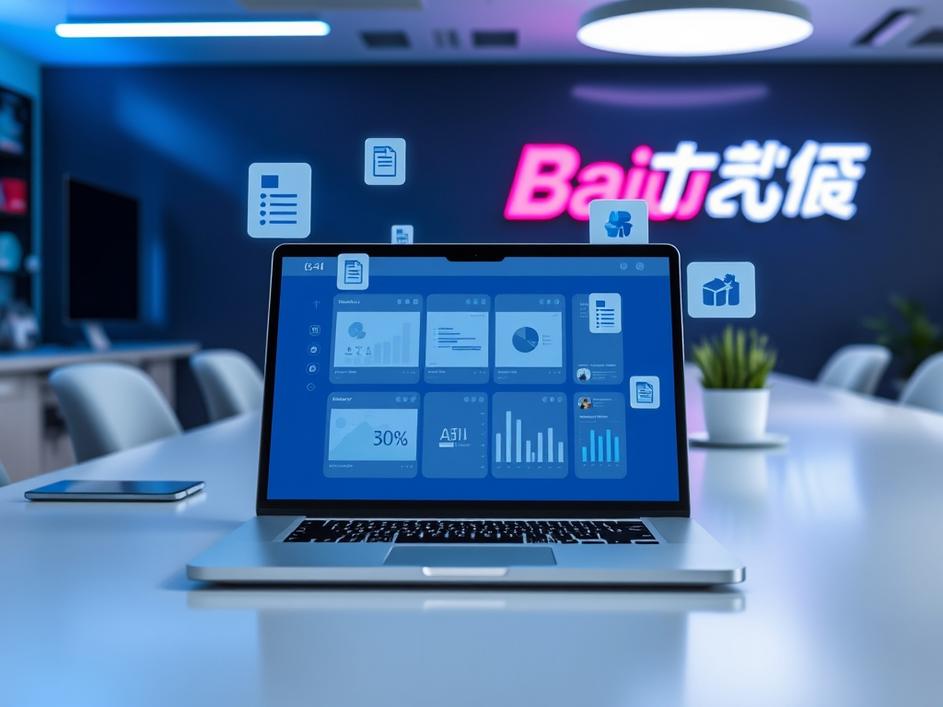
ToggleToday, Baidu widens its lineup of productivity tools with a fresh wave of AI powered office features. The company isn’t simply adding another app; it is reshaping how teams work by weaving artificial intelligence into everyday tasks. From drafting documents to organizing projects, the tools aim to cut busy work and help people focus on real decisions. This move fits a larger trend where enterprise software leans on AI to lighten repetitive steps. Baidu seems intent on becoming a central hub for workplace activity, letting language, data and teamwork flow through smart assistants. For users, the goal is straightforward: fewer clicks, quicker results, and a smoother workday. For Baidu, it is a chance to deepen its footprint in business software beyond search and ads, and to pose a clear alternative to traditional office suites.
The timing sits squarely in a global shift. AI copilots are no longer a novelty in office apps; they are becoming the baseline. Companies want tools that can draft emails, summarize meetings, crunch numbers, and guide teams with minimal manual input. In China, the race comes with a strong emphasis on data control and local reliability. Baidu will likely push enterprise grade security, governance controls, and options to run on private clouds when needed. Another priority is making the AI feel familiar so teams can adopt it quickly. Buyers want predictability: models that understand local language, respect company policies, and respond without delays. Latency matters when AI is built into daily work. Baidu’s push appears designed to reassure customers who worry about data leaving a secured boundary or being misused.
On the feature side, expect a blend of smart drafting, quick data insights and smooth collaboration. Imagine document creation that suggests structure and tone, meeting notes that read clearly, and task lists that grow from conversations. Dashboards could pull live metrics and turn them into plain summaries for leaders. Multilingual support could help cross border teams stay aligned. Scheduling, emails and chat could be fused so a single query shows the next steps. There will also be enterprise controls, privacy settings and audit trails to keep things transparent. Real tests will be about quality and reliability. The AI should avoid misstatements, protect sensitive data, and stay aligned with company policies. If the suite stays steady and helpful, it can change how teams work day to day.
Adoption is the bigger hurdle. Tools can be powerful, but people must trust them. Teams want to see a clear return: faster drafting, fewer miscommunications, better project visibility. For small and mid size firms, price and ease of onboarding matter as much as features. For large organizations, smooth integration with existing IT stacks is crucial. Baidu will need straightforward setups, reliable support, and clear governance to avoid leaked data or inconsistent notes. There is also a risk of over reliance. If people start treating AI as a memory and sense maker, teams may lose critical thinking and context. The sweet spot is an assistant that handles routine work while people guide strategy, validate results and add creativity. If Baidu hits that balance, the new tools could become a standard part of daily workflow rather than a fancy add on.
Strategically, the move signals Baidu doubling down on an AI focused business path. The company can draw on its cloud infrastructure, language models and ecosystem to offer a cohesive suite. A successful launch can build stickiness: teams rely on a single set of tools for writing, data, meetings and messaging. Monetization will matter: subscription tiers, add on APIs and deeper integrations with Baidu products will determine long term viability. If the tools mature, Baidu could win enterprise clients who value strong local language support and data localization. The field is crowded, though. Competitors with big pockets and established work ecosystems chase the same goal. Baidu will need to show the AI is controllable, transparent and cost effective. A strong start here could nudge more Chinese firms to rethink their productivity stacks and move toward a unified AI assisted workflow rather than piecemeal apps.
The rise of AI powered office tools does not erase human effort. It reshapes where people spend their time. With Baidu a step closer to an AI aided workflow, workers in Chinese companies may start the day with a smarter briefing and a clear set of next steps across teams. The real value lies not just in speed but in consistency. When an AI can draft a report, pull out key insights and align stakeholders with one click, teams waste less energy chasing updates. The risk is clear: poor execution or lax data protection can stall adoption. So far, Baidu seems to emphasize reliability, localization and practical use in daily tasks. If it stays grounded and keeps customer needs at the center, this push could lead many workplaces toward a quieter, more focused pace of work.
The road ahead depends on solid delivery, clear governance, and sensible pricing. Baidu has placed a bold bet by tying AI into the nuts and bolts of daily work. If the tools prove reliable, privacy friendly and easy to adopt, they could quietly shift how teams operate in China and beyond. The coming year will test whether AI can handle routine tasks without eroding control or trust. For now, the signal is simple: the office of the near future may run with a helpful assistant at the elbow, not a flashy gadget on the shelf. The real test will be real world results—how fast teams move, how well information stays in check, and whether this new rhythm sticks.


Comments are closed