

We are a digital agency helping businesses develop immersive, engaging, and user-focused web, app, and software solutions.
2310 Mira Vista Ave
Montrose, CA 91020

2500+ reviews based on client feedback
What's Included?
ToggleArtificial intelligence is changing pretty much everything, and filmmaking is no exception. It used to take a huge crew, tons of equipment, and a massive budget to create even a short film. Now, AI tools are putting movie-making power into the hands of anyone with a computer. This isn’t about replacing professional filmmakers, but more about giving everyone the opportunity to express their creativity through moving images. It’s an exciting time where the barrier to entry is getting lower and lower, and the possibilities are expanding rapidly.
So, how does it actually work? The process usually starts with an idea. What kind of story do you want to tell? Who are the characters? What’s the overall mood? Once you have a basic concept, you can start using AI tools to bring your vision to life. One popular approach involves creating a series of images using AI image generators and then stringing them together to form a video. The magic lies in the prompts you give the AI. Prompts are text descriptions that tell the AI what you want the image to look like. The more detailed and specific your prompts, the better the results will be.
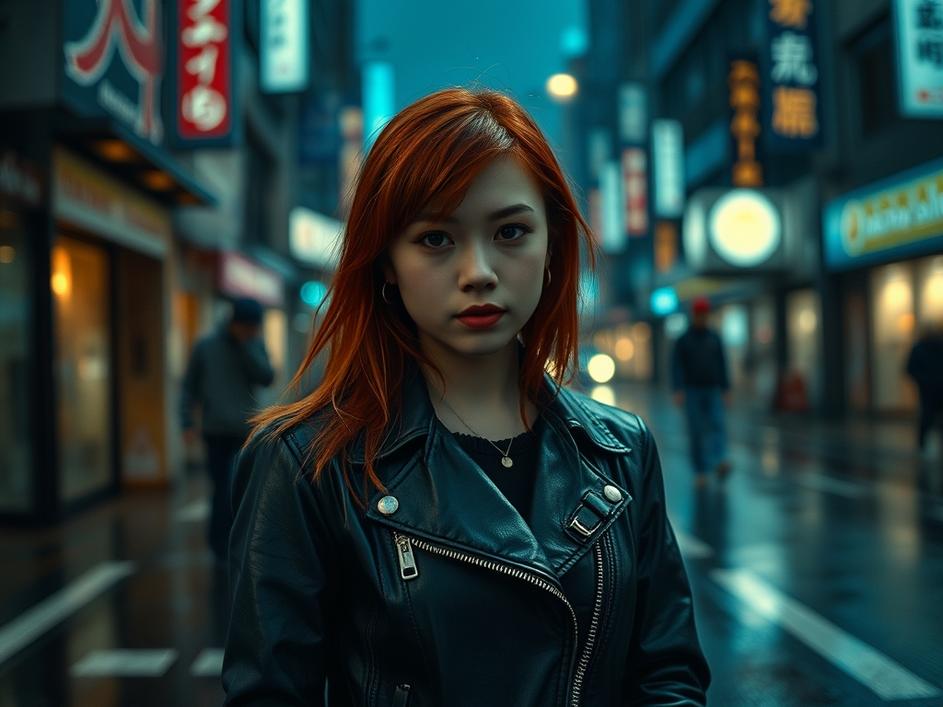
The key to making a cool AI film is in crafting the right prompts. Think of it like directing an actor – you need to give clear and precise instructions. For example, instead of just saying “a person,” you might say “a young woman with fiery red hair standing in a rainy Tokyo street at night, wearing a leather jacket.” The more detail you provide, the more accurately the AI can generate the image you’re looking for. Experiment with different keywords, artistic styles, and camera angles to achieve the desired effect. Don’t be afraid to try wild combinations. Sometimes, the most unexpected prompts lead to the most visually stunning results. Also, think about adding parameters such as aspect ratio, camera aperture, and other photography related constraints.
Once you have a collection of AI-generated images, the next step is to assemble them into a video. There are many video editing software options available, from free open-source programs to professional-grade tools. Import your images into the editor and arrange them in the desired sequence. Add transitions, music, sound effects, and text to enhance the storytelling. Consider the pacing of your video and how each scene contributes to the overall narrative. Even simple edits can make a big difference in the final product. Don’t underestimate the power of good music and sound design to create atmosphere and emotional impact.
While AI can generate the visual elements, it’s important to add your own personal touch to the film. This could involve writing a compelling script, recording voiceovers, or adding custom sound effects. Think about what makes your story unique and how you can infuse it with your own personality. Maybe you have a specific message you want to convey, or perhaps you want to explore a particular theme. Use the AI as a tool to help you tell your story, but don’t let it dictate the entire creative process. Your individual perspective and artistic vision are what will make your film truly stand out.
Of course, with any new technology, there are ethical considerations to keep in mind. One concern is the potential for misuse of AI to create deepfakes or spread misinformation. It’s important to use these tools responsibly and be aware of the potential consequences of your actions. Another issue is copyright. Who owns the rights to an image generated by AI? This is a complex legal question that is still being debated. As AI filmmaking becomes more prevalent, it’s crucial to have open and honest discussions about these ethical challenges.
AI is not going to replace human creativity, but it will definitely augment it. Imagine AI tools that can help you brainstorm ideas, write scripts, or even generate entire scenes based on your instructions. The possibilities are endless. The future of filmmaking is likely to be a collaborative effort between humans and AI, where each brings their unique strengths to the table. Human filmmakers will provide the creative vision, emotional depth, and storytelling expertise, while AI will handle the technical aspects of image generation, video editing, and sound design. This partnership has the potential to unlock new forms of artistic expression and push the boundaries of what’s possible in cinema. It’s a wild west for filmmakers.
The world of AI filmmaking is still in its early stages, but it’s already showing tremendous promise. Whether you’re an experienced filmmaker or a complete beginner, now is the perfect time to explore the possibilities of AI and unleash your inner director. Experiment with different AI tools, learn how to craft effective prompts, and don’t be afraid to make mistakes. The most important thing is to have fun and let your imagination run wild. Who knows, you might just create the next big hit!

Comments are closed