

We are a digital agency helping businesses develop immersive, engaging, and user-focused web, app, and software solutions.
2310 Mira Vista Ave
Montrose, CA 91020

2500+ reviews based on client feedback
What's Included?
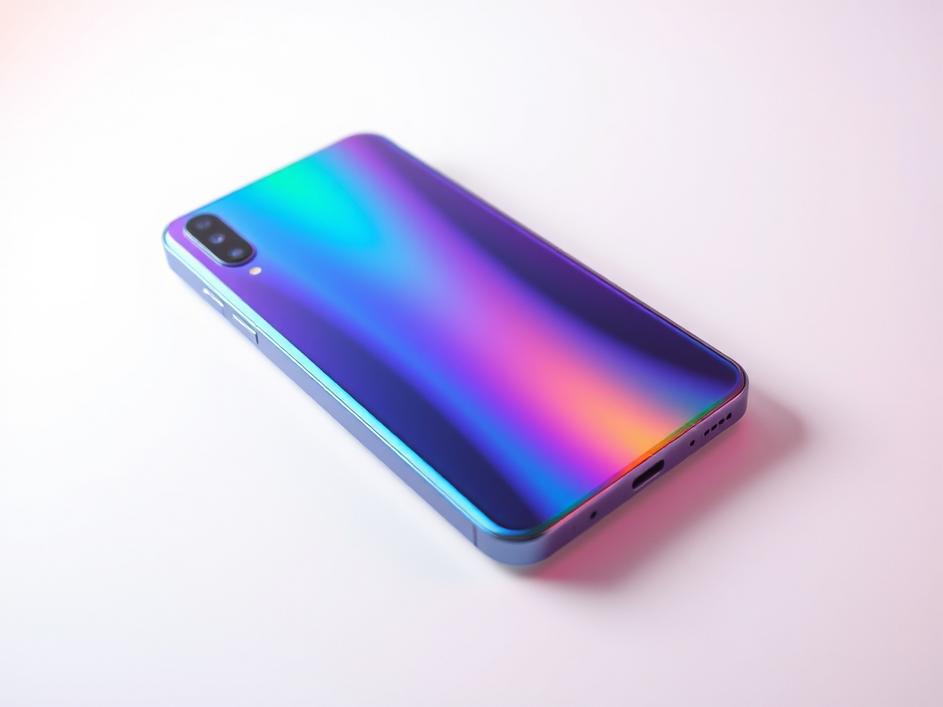
ToggleRemember when phones were just… black? Or maybe, if you were lucky, a boring shade of gray or white? Those days are officially over. It’s 2025, and the phones I’m seeing aren’t just functional; they’re making a statement. We’re talking vibrant colors, interesting textures, and designs that actually catch your eye. It’s like the tech world finally realized that we use these things every day, so they might as well look good.
For years, the focus was entirely on what a phone *could do*. How many megapixels the camera had, how fast the processor was, how much storage it offered. And while those things are still important, there’s been a shift. Now, design is a major selling point. People care about how a phone *looks* and *feels* in their hand. Are the edges comfortable? Is the finish fingerprint-resistant? Does it reflect their personal style? These are the questions consumers are asking.
Think about it: your phone is with you constantly. It’s in your pocket, on your desk, at the dinner table. It’s practically an extension of yourself. So, it makes sense that people want their phones to reflect their personality. Just like choosing a watch or a pair of shoes, selecting a phone is now about expressing yourself. Are you bold and adventurous? There’s a phone with a vibrant color and a unique design for that. Are you more understated and sophisticated? There are plenty of sleek, minimalist options to choose from.
What’s driving this trend? Several factors, I think. For one, technology has become so advanced that most phones can do pretty much the same things. The differences between the high-end models are getting smaller and smaller. So, manufacturers are looking for other ways to stand out from the crowd. And design is an easy way to do that. Plus, social media has played a big role. People are constantly sharing photos and videos of themselves and their belongings. They want everything to look good, including their phones.
Another interesting development is the rise of eco-friendly phone designs. Companies are starting to use recycled materials and sustainable manufacturing processes. And they’re not sacrificing style in the process. In fact, some of the most beautiful phones I’ve seen this year have been made from recycled materials. It’s a win-win situation: you get a stylish phone that’s also good for the planet. This is key, particularly with younger audiences who are demanding sustainability from the brands they support. They’re not willing to compromise on ethics for aesthetics, and the industry is responding.
So, what does the future hold? I think we’ll see even more experimentation with colors, materials, and designs. Maybe we’ll even see phones that can change color on demand, or phones with customizable textures. The possibilities are endless. One thing is certain: the days of boring, black phones are gone for good. We are also likely to see a resurgence of phone cases, not just for protection, but as another way to add a touch of personalization. These won’t be the bulky, rubbery cases of the past; instead, expect to see sleek, stylish cases that complement the phone’s design and offer additional functionality, like built-in wallets or stands.
This isn’t just a passing fad. It’s a fundamental shift in how we think about phones. They’re no longer just tools; they’re fashion accessories, status symbols, and expressions of our individuality. And that’s a good thing. Technology should be beautiful and enjoyable to use. It should enhance our lives, not just make them more efficient. The increased focus on design shows that the tech industry is finally starting to understand this. And as consumers, we should demand it.
The transformation of phones into fashion statements in 2025 signifies a broader trend: the personalization of technology. We’re moving beyond the era of generic, one-size-fits-all devices and into a world where our tech adapts to our individual styles and preferences. This shift is driven by advancements in materials science, manufacturing techniques, and consumer demand for products that reflect their unique identities. The future of tech is not just about functionality; it’s about creating emotional connections and empowering individuals to express themselves through the tools they use every day. It’s an exciting time to be witnessing this evolution, and I can’t wait to see what innovations the next few years will bring.

Comments are closed