

We are a digital agency helping businesses develop immersive, engaging, and user-focused web, app, and software solutions.
2310 Mira Vista Ave
Montrose, CA 91020

2500+ reviews based on client feedback
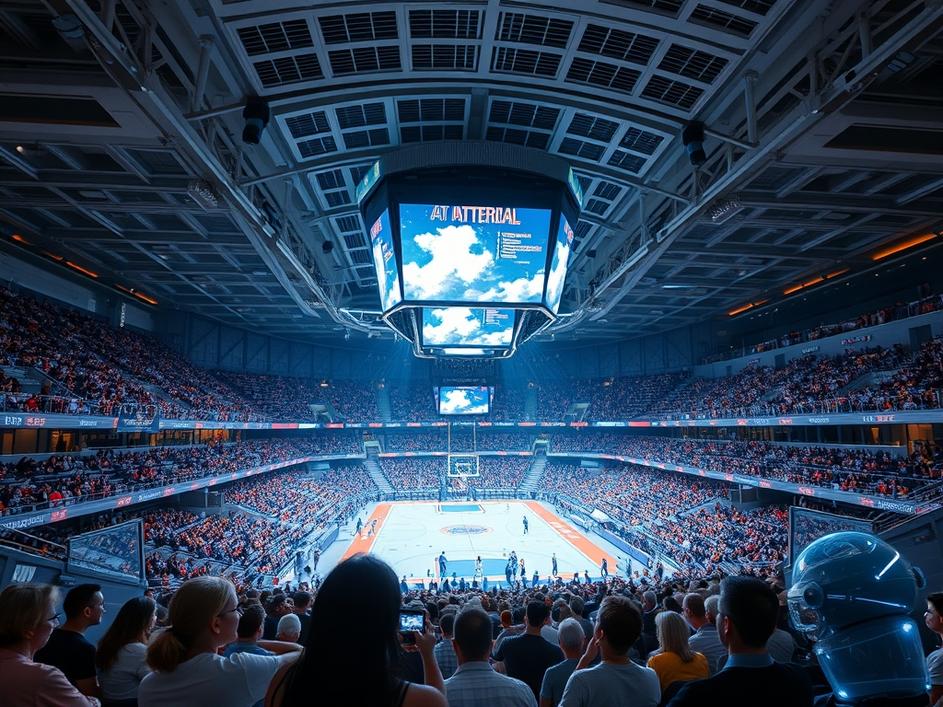
When we think about sports stadiums, our minds often go straight to the roar of the crowd, the thrill of the game, or maybe the taste of an overpriced hot dog. But what if these places were much more than just a giant concrete bowl for a game? What if they were intelligent hubs, designed from the ground up to make your visit smoother, more personal, and truly unforgettable? This is exactly what places like the Intuit Dome in Los Angeles are aiming for, using something we hear a lot about these days: Artificial Intelligence, or AI.
For many years, stadiums were pretty basic. You found your seat, watched the game, and left. But now, with everyone connected to their phones and expecting seamless experiences in every part of their lives, sports venues have to step up their game. It’s not enough to just host a good match; they need to create an entire day out that feels special, easy, and tailored to you. This is where AI comes in, working behind the scenes to change everything from how you get to the arena to what you see on the big screens.
What's Included?
ToggleImagine arriving at a massive arena and never feeling lost or overwhelmed. AI can help with that. It’s not about robots walking around; it’s about smart systems understanding how people move. Think about traffic flow outside the stadium: AI can look at current conditions and suggest the best parking spots or public transport routes, cutting down on those frustrating waits. Once inside, the same kind of smarts can guide you to your seat, point out the closest restrooms with short lines, or even tell you where to grab your favorite snack without missing a moment of the action. It makes a huge difference when you’re not fighting crowds or constantly checking your phone for directions.
Beyond just getting around, AI can also make your actual experience much better. Have you ever seen those huge LED screens in modern arenas? AI can help decide what shows up on them. Instead of just generic ads, the system might show you player stats for your favorite team, highlights you might have missed, or even fun interactive content tailored to your preferences. The goal is to make sure that whether you’re standing in line for a drink or settling into your seat, there’s always something engaging and relevant to catch your eye. It turns passive viewing into a more active, personalized kind of entertainment.
Let’s talk about food and drinks. Nobody likes waiting an hour for a burger. AI can play a big part here too. By analyzing past sales, crowd sizes, and even the pace of the game, AI systems can predict which concession stands will be busiest and when. This helps staff get ready, stock up properly, and open more registers before things get crazy. It means less waiting for you and a fresher experience. Plus, if the system knows you usually buy a certain drink, it might even offer you a quick way to reorder it without leaving your seat. It’s all about removing the little frustrations that can add up and spoil a good time.
Now, some people hear about AI collecting data and get a bit nervous, and that’s fair. But when it’s used responsibly in places like stadiums, the goal isn’t just about selling more; it’s about making things genuinely better for visitors. Every interaction, every movement, every purchase—it all creates a picture. This picture helps the stadium designers and operators understand what works, what doesn’t, and what people truly want. Is a certain entrance always a bottleneck? Are fans walking too far for a specific type of food? This feedback helps improve the venue over time, making future visits even smoother and more enjoyable. It’s a constant cycle of learning and improving, all powered by smart technology.
The Intuit Dome is a fantastic example of where sports and technology are heading. It’s not just a new building; it’s a living, breathing environment that learns and adapts to the people inside it. We’re moving beyond static structures to dynamic spaces that predict our needs and enhance our fun. This isn’t just about basketball or concerts; it’s about redefining what a public gathering space can be. It shows us that with thoughtful design and smart use of AI, even something as simple as going to a game can become a surprisingly smooth and personal adventure.


Comments are closed