

We are a digital agency helping businesses develop immersive, engaging, and user-focused web, app, and software solutions.
2310 Mira Vista Ave
Montrose, CA 91020

2500+ reviews based on client feedback
What's Included?
ToggleWe’ve all heard the doomsaying. Artificial intelligence is coming for our jobs, automating everything, and leaving us all destitute. And, honestly, it’s a scary thought. But what if the real threat to the economy isn’t sentient robots taking over the world, but something far more…mundane? It’s easy to point fingers at the shiny new technology, but maybe we should be looking at the less flashy, more persistent issues lurking beneath the surface.
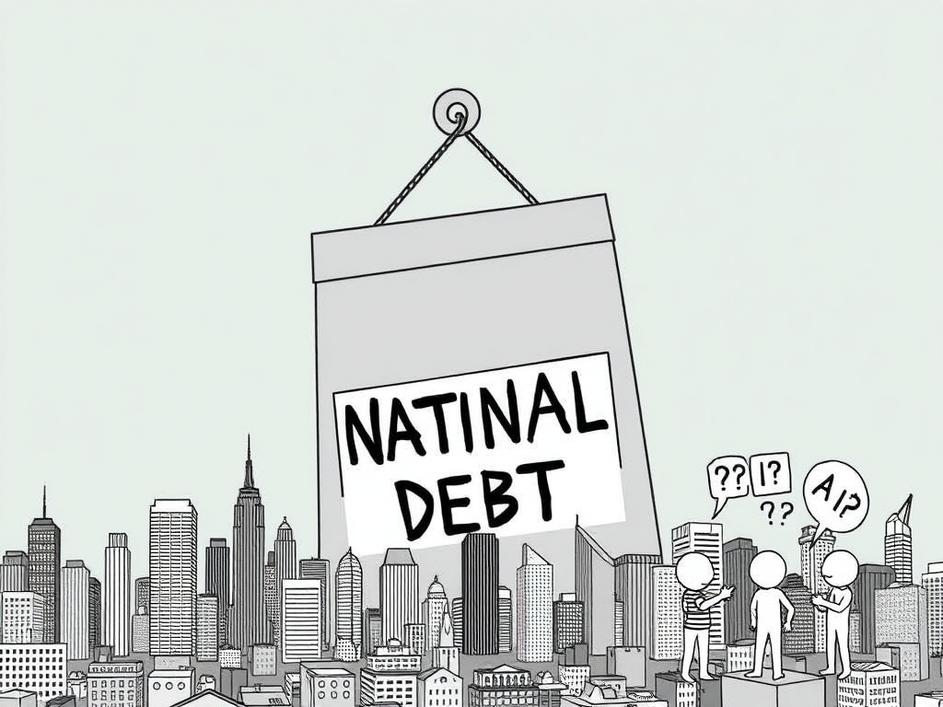
Consider this: our national debt is skyrocketing. We’re talking about numbers so big they’re hard to even wrap your head around. And that debt isn’t just a number; it represents real obligations, promises we’ve made that we eventually have to pay back. This growing debt is a long-term problem that casts a shadow over the entire economy. Ignoring it is like ignoring a leak in your roof – it might not seem like a big deal now, but eventually, it will cause serious damage. It’s not a sudden crash, but a slow, grinding pressure that makes everything harder.
And here’s where it gets tricky. To combat inflation (which is partially fueled by government spending), interest rates rise. Higher interest rates mean it costs more to borrow money, whether it’s for a car, a house, or…the government funding its debt. As interest rates increase, so does the cost of servicing that massive national debt. That means more and more of our tax dollars go towards paying interest, leaving less money for things like education, infrastructure, and research – things that actually help the economy grow. It’s a vicious cycle. The more we borrow, the more we have to pay in interest, the less we have to invest in the future.
For years, governments have essentially been “kicking the can down the road,” postponing the inevitable reckoning with the debt. They take on new debt to pay for existing obligations, creating a bigger problem for future generations. This short-sighted approach might provide temporary relief, but it only delays the pain and makes the eventual correction even more severe. And the longer we wait, the harder it becomes to dig ourselves out of this hole. We are slowly suffocating the economy by kicking the can, each time it becomes bigger and heavier.
While AI undoubtedly poses some challenges and will require us to adapt, it’s not the primary economic threat. In fact, AI could potentially be a solution. It can automate tasks, increase productivity, and drive innovation, all of which can boost economic growth. By focusing solely on the potential downsides of AI, we risk overlooking the more immediate and pressing danger of unsustainable debt. Instead of fearing the robots, we should be demanding fiscal responsibility from our elected officials.
So, what’s the answer? There’s no easy solution, but it starts with acknowledging the problem. We need to have an honest conversation about the national debt and the long-term consequences of our spending habits. This requires making tough choices, which may include cutting spending, raising taxes, or a combination of both. It also means prioritizing investments that will generate long-term economic growth, such as education, infrastructure, and research and development. It is not a fun path, but it is far better than the slow and painful death of the economy.
We need to shift our focus from simply managing the debt to actively reducing it. This requires a long-term strategy and a commitment to fiscal discipline. It also means investing in the things that will make our economy more resilient and competitive in the future. We need to create an environment where businesses can thrive, where innovation flourishes, and where individuals have the opportunity to succeed. This means education, not handouts. Hard work, not empty promises.
While AI may capture headlines and spark anxieties, the real threat to our economic future lies in our unsustainable debt and our failure to address it. It’s time to stop focusing on the shiny distractions and start tackling the real problems. It won’t be easy, but the future of our economy depends on it. Let’s choose responsibility over complacency and build a more sustainable and prosperous future for all.


Comments are closed