

We are a digital agency helping businesses develop immersive, engaging, and user-focused web, app, and software solutions.
2310 Mira Vista Ave
Montrose, CA 91020

2500+ reviews based on client feedback
What's Included?
ToggleThink about school today. It’s not just about textbooks and chalkboards anymore, right? Our world is constantly online, and that means our kids are growing up with screens everywhere. For teachers, keeping up can feel like a big job. They work hard, teach important things, but sometimes the tools they use might not quite match what kids see outside the classroom. It’s a challenge to make learning feel fresh and connected to the digital world. We often talk about students needing digital skills, but what about the people guiding them? Our educators need to be comfortable and capable in this space too, not just as users, but as creators.
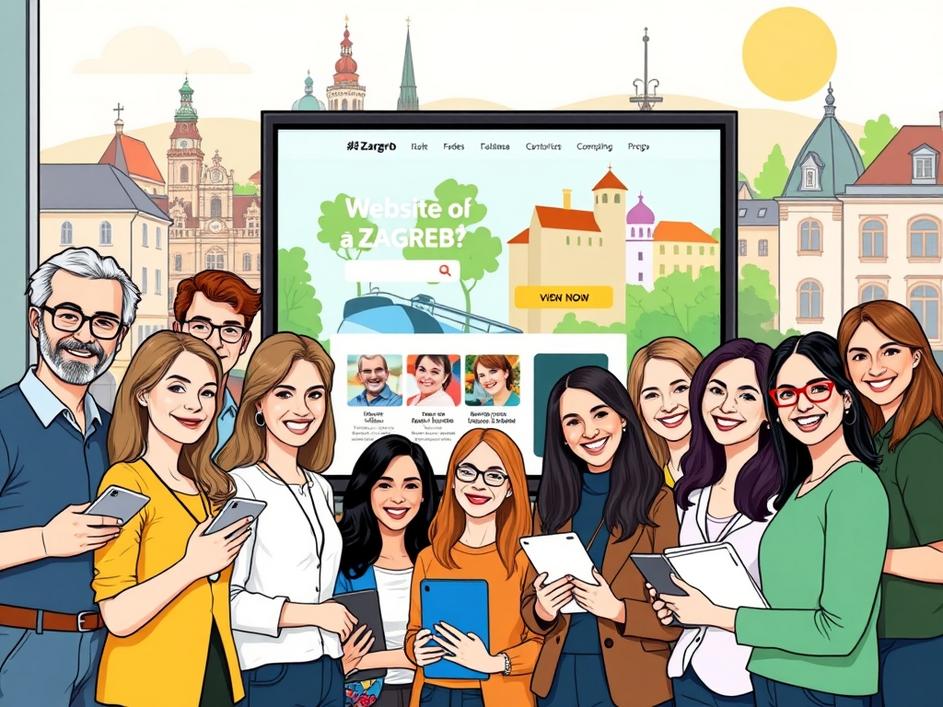
So, imagine a group of teachers, not in a typical school staff room, but gathered in a vibrant city like Zagreb. They’re there to do something pretty cool: learn how to build websites. This isn’t just about setting up a simple page; it’s about crafting a ‘storytelling’ website for their school projects. For ten days, these educators get to dive into the nuts and bolts of making a digital home for their work. It’s a chance for them to learn skills that go way beyond just teaching a subject. They get to see how to take all the amazing things happening in their classrooms – the experiments, the art, the group projects – and give them a digital space where they can truly shine. It’s a practical, hands-on experience, moving from just using technology to actually shaping it.
Why is building a project website such a big deal for teachers? Well, think about all the effort that goes into a school project. Kids spend weeks on something, only for it to be displayed on a bulletin board or presented once in class. A website changes that completely. It gives those projects a permanent, accessible home. Students can contribute, update, and share their work with grandparents across the country, or even with kids in other schools. For teachers, it’s a powerful way to organize resources, show off student achievements, and even foster collaboration. Imagine a science fair project getting its own page with videos of experiments, data, and reflections. It’s not just a report; it’s an interactive experience. This approach doesn’t just display work; it brings it to life and makes it a living, breathing part of the learning journey.
This kind of training isn’t just about learning some tech tricks. It goes much deeper than that. When a teacher learns to build a website, they’re not just mastering HTML or a drag-and-drop builder. They’re actually learning a whole bunch of other valuable skills. They have to think about how to organize information clearly so anyone can understand it. They learn about making things look good, choosing the right pictures, and writing in a way that keeps people interested. These are all about communication – not just with words, but visually and interactively. It helps them think like a designer, an editor, and a digital storyteller all at once. Plus, it gives them the confidence to explore other digital tools and feel more at home in the online world. They become digital role models for their students, showing them that technology is a tool for creation and sharing, not just for consuming.
A course like this, especially one hosted as part of a European education platform, has an even bigger ripple effect. When teachers from different countries learn these skills, it opens doors for new kinds of collaboration. Imagine a classroom in Germany collaborating on a project with a classroom in Spain, and they use a shared website to document their progress, share findings, and celebrate their combined efforts. This isn’t just about showing off; it’s about building bridges, understanding different cultures, and creating a sense of a larger learning community. These websites can become hubs where best practices are shared, innovative teaching methods are showcased, and educators feel more connected to a wider network of peers. It’s about building a common digital language for education across borders, making the world feel a little smaller and learning possibilities a lot bigger.
From my perspective, this initiative is incredibly exciting and important. It’s easy to feel like technology in education is always about buying new gadgets or implementing complex software. But this course focuses on something much more fundamental and empowering: giving teachers the ability to create their own digital spaces. It acknowledges that teachers aren’t just consumers of educational technology, but they can be active creators and curators of digital content. When teachers feel confident in building these platforms, they can truly tailor them to their students’ needs and their unique teaching styles. This kind of skill doesn’t just make their lessons better; it makes them better prepared for the ever-evolving world we live in. It’s an investment in their professional growth that directly benefits every student they teach, making learning more relevant, engaging, and connected.
So, what does all this mean for the future of education? It means a lot. It means that school projects might not just gather dust in a folder anymore. They can live online, ready to be seen, shared, and celebrated. It means teachers can become even more effective communicators, not just within their school walls, but with parents, other educators, and the wider world. By giving teachers the tools to build their own ‘websites that tell a story,’ we’re not just upgrading their digital skills. We’re giving them a powerful new way to inspire students, showcase learning, and connect our classrooms to the vast, open world. It’s about making education a more visible, collaborative, and dynamic journey for everyone involved.


Comments are closed