

We are a digital agency helping businesses develop immersive, engaging, and user-focused web, app, and software solutions.
2310 Mira Vista Ave
Montrose, CA 91020

2500+ reviews based on client feedback
What's Included?
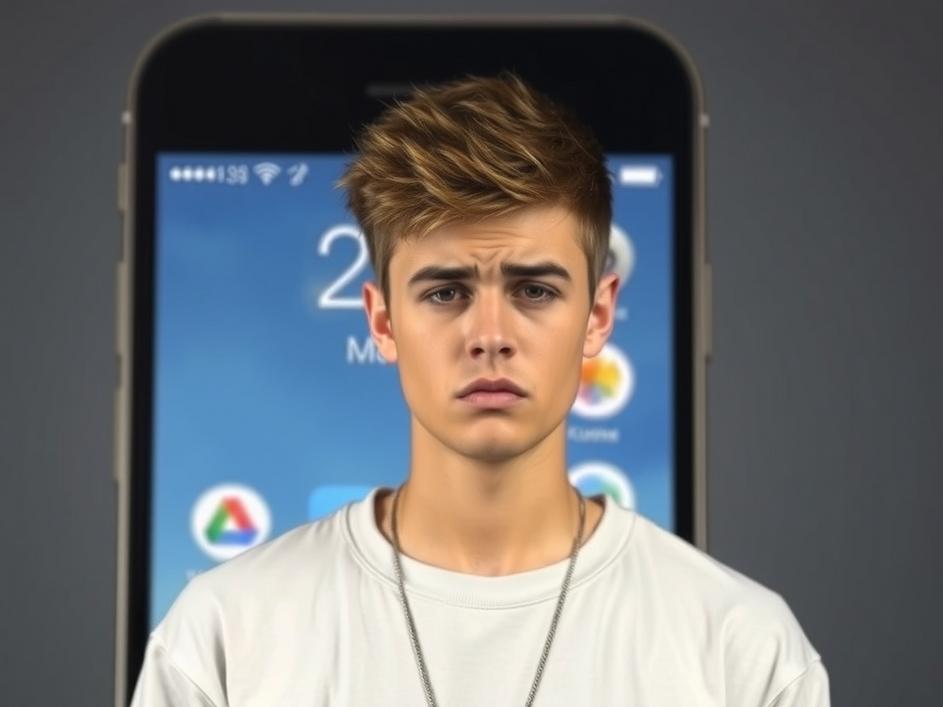
ToggleJustin Bieber, global pop sensation, is not happy with Apple. He took to Instagram recently to vent his frustration about a specific iPhone feature: dictation. Apparently, this function keeps interrupting his music, and he’s had enough. While most of us might just sigh and turn it off, Bieber jokingly threatened to put Apple employees in a “rear naked choke hold.” It’s a colorful way to express annoyance, and it raises a valid question: is iPhone dictation a universal nuisance, or just a Bieber-specific problem?
For those unfamiliar, iPhone dictation allows users to speak to their phone, which then converts the speech into text. It’s handy for sending quick messages, writing notes when your hands are full, or searching the web without typing. But the feature isn’t perfect. It can be triggered accidentally, especially if you’re listening to music with lyrics it misinterprets as commands. This can pause your song, open a new app, or worse, start typing gibberish into whatever you’re doing. And for someone like Justin Bieber, who likely uses his phone constantly for both work and leisure, these interruptions could quickly become infuriating.
It’s easy to dismiss Bieber’s complaint as a celebrity rant. After all, he has access to resources and tech support that most of us can only dream of. But his frustration highlights a common problem: technology isn’t always seamless. We all rely on our smartphones for everything, and when they don’t work as expected, it’s incredibly disruptive. Whether it’s a celebrity dealing with dictation mishaps or an average person struggling with a glitchy app, tech frustrations are a universal experience. This incident reminds us that even those who seem to live in a different world face the same everyday annoyances as the rest of us.
So far, Apple hasn’t publicly responded to Bieber’s Instagram outburst. Whether they will address his concerns remains to be seen. It’s unlikely they’ll overhaul the dictation feature entirely because of one celebrity’s complaint, but they might consider ways to improve its sensitivity or make it easier to disable. Perhaps a dedicated “music mode” that temporarily disables dictation while playing audio could be a solution. Or maybe just more prominent settings to disable it completely. Ignoring the issue completely risks alienating not just Bieber, but also other users who share his frustration. It’s also worth noting that the incident gives Apple free publicity – whether it’s good or bad publicity is debatable.
Bieber’s situation, while seemingly trivial, touches on a bigger issue: our increasing dependence on technology. We rely so heavily on our smartphones for communication, entertainment, and even productivity that even minor glitches can throw us off balance. This dependence creates a certain level of vulnerability. When our devices fail us, we feel lost and frustrated. And while it’s easy to blame the technology itself, perhaps we should also consider our relationship with it. Are we too reliant on our phones? Are we too quick to get angry when they don’t work perfectly? Maybe Bieber’s rant is a wake-up call, not just for Apple, but for all of us to re-evaluate our tech habits and expectations.
The future of dictation and similar AI-powered features hinges on improving the user experience. Companies like Apple need to prioritize intuitive design and customizable settings. Users should have granular control over how these features function and be able to easily tailor them to their individual needs. Furthermore, more accurate voice recognition and contextual awareness are essential to minimize errors and unwanted activations. Addressing these issues will not only prevent celebrity outbursts but also enhance the overall usability and appeal of these technologies for everyone.
Ultimately, Bieber’s frustration with iPhone dictation is a relatable reminder that technology, despite its advancements, is not always perfect. It highlights our dependence on these tools and the annoyance we feel when they fail to meet our expectations. Whether Apple addresses this specific issue or not, the incident prompts a broader conversation about our relationship with technology and the importance of finding a healthy balance in our increasingly digital lives. Perhaps we all need to take a step back, silence the notifications, and appreciate the world around us, even if it means missing the latest Bieber tune for a few moments.



Comments are closed