

We are a digital agency helping businesses develop immersive, engaging, and user-focused web, app, and software solutions.
2310 Mira Vista Ave
Montrose, CA 91020

2500+ reviews based on client feedback
What's Included?
ToggleOkay, maybe not *smile*. But if you’re in certain parts of Hampshire, England, chances are your face is being scanned. Facial recognition technology has officially arrived, courtesy of the local police force. And while they’re saying it’s all above board and transparent, it’s understandable why some people are feeling a little uneasy. It seems the future we’ve seen in movies is now here.
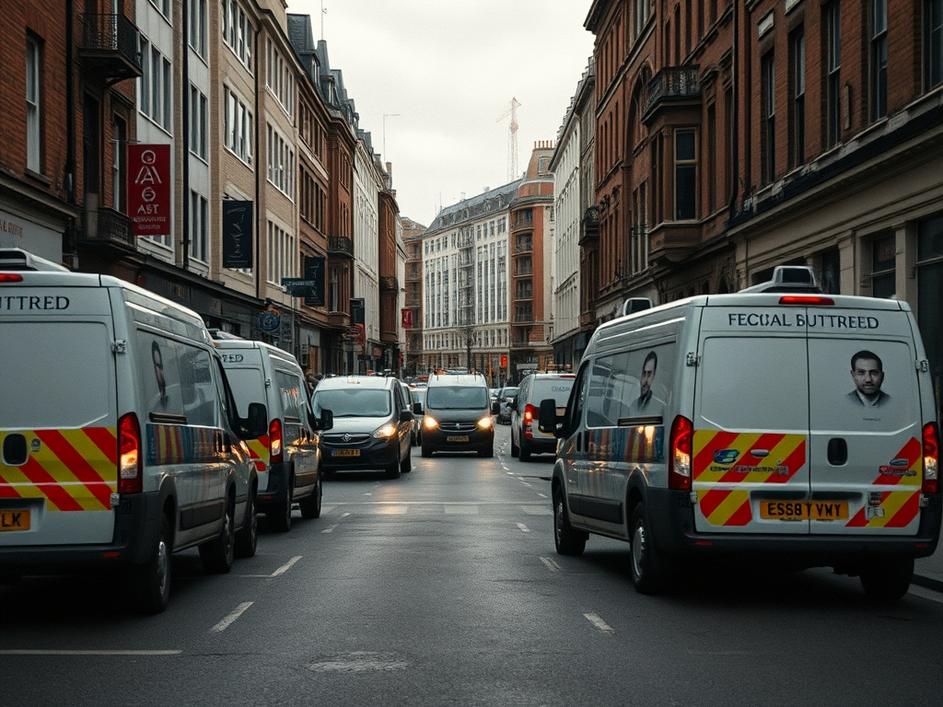
The Hampshire Police insist these cameras are “not a sneaky bit of kit.” They’re using vans equipped with the technology in public areas, with the goal of identifying individuals who are wanted for crimes or who pose a risk to the public. The idea is that this tech will help them quickly locate suspects and prevent potential incidents before they occur. They claim it’s about efficiency and keeping the community safe. Law enforcement will always lean towards the position that such surveillance will benefit the larger population.
But here’s where things get tricky. Even if the police are using the tech with good intentions, the introduction of widespread facial recognition raises some serious privacy concerns. Who has access to this data? How long is it stored? What safeguards are in place to prevent misuse or abuse? These are all valid questions that need clear and transparent answers. And, perhaps more importantly, is this a slippery slope? If facial recognition is accepted now for specific purposes, what’s to stop it from being used more broadly in the future?
Beyond privacy, there are also concerns about the accuracy of facial recognition technology itself. Studies have shown that these systems aren’t always reliable, particularly when it comes to identifying people of color or women. This raises the possibility of misidentification, false arrests, and other injustices. If the technology isn’t accurate and unbiased, it could lead to serious problems, reinforcing existing societal inequalities. The software is only as good as the data it is trained on, and there are potential biases in that data.
Beyond the immediate practicalities, the use of facial recognition technology could have a chilling effect on freedom of expression and assembly. If people know they’re being constantly monitored, they may be less likely to participate in protests or other forms of civic engagement. This could erode our democratic values and create a society where people are afraid to speak out. While the police may not *intend* this effect, the very presence of constant surveillance can subtly shift behavior. Furthermore, if this type of surveillance becomes normalized, how does that affect future generations’ view of privacy?
Ultimately, the debate over facial recognition boils down to a fundamental question: how do we balance the need for safety and security with the right to privacy and freedom? There’s no easy answer, and different people will have different perspectives. But it’s crucial that we have an open and honest conversation about the implications of this technology before it becomes too deeply ingrained in our society. Maybe there can be a system that prioritizes citizen privacy while allowing law enforcement to do their jobs, but it will take careful planning and oversight.
For this to work, the police need to be completely transparent about how they are using facial recognition. This includes providing clear information about data storage, access controls, and accountability measures. There also needs to be robust oversight mechanisms in place to ensure that the technology is being used responsibly and ethically. Without transparency and accountability, there’s a risk that facial recognition could be used to create a surveillance state, which would be detrimental to our society. We need to understand the data being collected, and for what purposes. The people need to be informed.
The arrival of facial recognition technology in Hampshire is a stark reminder that the future is already here. And while this technology has the potential to make our communities safer, it also poses significant risks to our privacy and freedom. It’s up to us to ensure that this technology is used responsibly and ethically, so that we can reap its benefits without sacrificing our fundamental rights. Now is the time to get involved in this discussion before the future comes fully into focus.

Comments are closed