

We are a digital agency helping businesses develop immersive, engaging, and user-focused web, app, and software solutions.
2310 Mira Vista Ave
Montrose, CA 91020

2500+ reviews based on client feedback
What's Included?
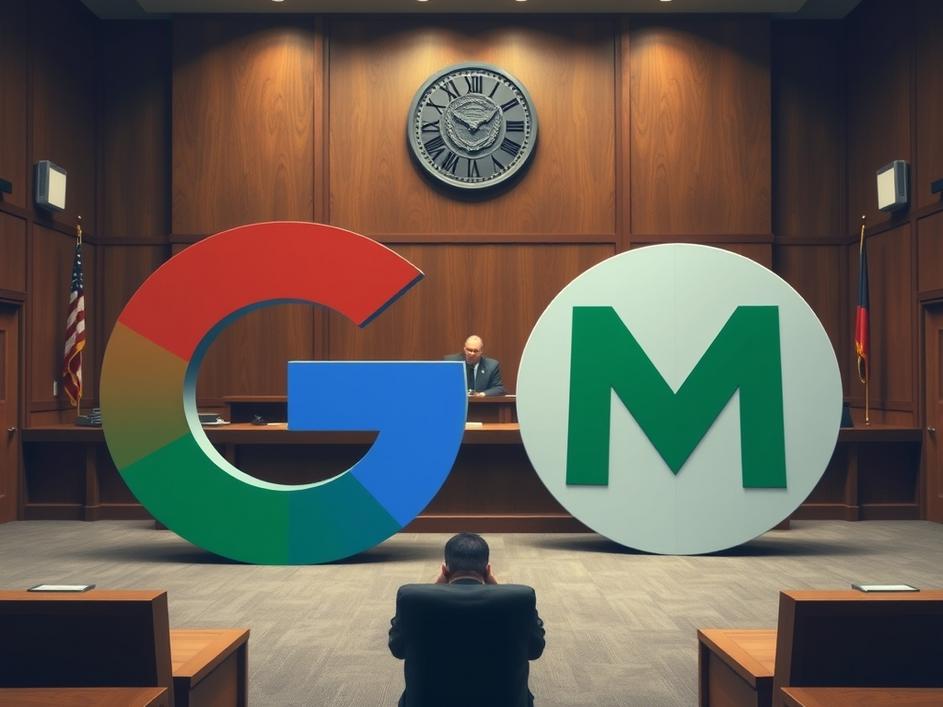
ToggleIt seems like even the biggest companies aren’t immune to legal setbacks. Recently, Alphabet (Google’s parent company) and Meta (Facebook’s parent company) faced a legal challenge in Los Angeles and, surprisingly, didn’t come out on top. While the details are still unfolding, this loss has some significant implications that go beyond just a single courtroom. We’re talking about potential ripple effects on how these tech giants operate and how they’re viewed legally.
While initial reports are brief, it’s important to understand that these kinds of cases rarely hinge on simple, straightforward issues. Often, they involve complex arguments about data privacy, antitrust concerns, or intellectual property. It’s likely this case touched upon one of these sensitive areas, possibly challenging the boundaries of what these companies can do with user data or how they compete in the market. A loss in court suggests the judge or jury found their actions to be in violation of existing laws or regulations.
The immediate impact is, of course, financial. Legal battles are expensive, regardless of the outcome. But a loss can be even more costly. Beyond the initial fines or settlements, it can set a precedent for future lawsuits. Other companies or individuals who feel wronged by Alphabet or Meta might see this case as a green light to pursue their own legal action. Moreover, it could force these companies to change their business practices, which could impact their revenue streams and user experience. Imagine, for example, if they’re forced to limit data collection – that could affect their targeted advertising, a major source of income.
This loss isn’t just about Alphabet and Meta. It sends a message to the entire tech industry. For years, these companies have operated with relatively little oversight, growing to immense size and influence. This case shows that they are not above the law and that their actions will be scrutinized. It could lead to increased regulation and a greater emphasis on ethical considerations within the tech world. We might see more companies proactively addressing concerns about data privacy and anti-competitive behavior to avoid similar legal challenges.
Beyond the legal and financial ramifications, there’s also the issue of public perception. Cases like this can damage a company’s reputation. Consumers are increasingly aware of the power that tech companies wield and are demanding greater accountability. A legal loss reinforces negative perceptions and can erode trust. This can lead to users seeking alternatives, boycotting products, or simply becoming more skeptical of the information they encounter online. Rebuilding that trust can be a long and difficult process.
This case could very well be a turning point in how big tech is regulated. Governments around the world are grappling with how to manage the power of these companies, and legal victories against them can provide momentum for stricter regulations. We might see new laws that limit data collection, promote competition, and protect consumers’ privacy. This could fundamentally reshape the internet and the way we interact with technology.
So, what does all of this mean for the average person? In the short term, it might not seem like much. But in the long run, it could lead to a more ethical and responsible tech industry. Increased regulation and greater accountability could result in better data privacy protections, more competition, and a more level playing field for smaller companies. Ultimately, this could lead to a better online experience for everyone.
The Alphabet and Meta loss in Los Angeles serves as a reminder that even the most powerful companies are subject to the rule of law. It’s a complex situation with far-reaching consequences that extend beyond the courtroom. It highlights the increasing scrutiny faced by big tech and the growing demand for accountability. This case is not just a legal footnote; it’s a potential catalyst for change, prompting a necessary conversation about the role of technology in our lives and the importance of responsible innovation.



Comments are closed