

We are a digital agency helping businesses develop immersive, engaging, and user-focused web, app, and software solutions.
2310 Mira Vista Ave
Montrose, CA 91020

2500+ reviews based on client feedback
What's Included?
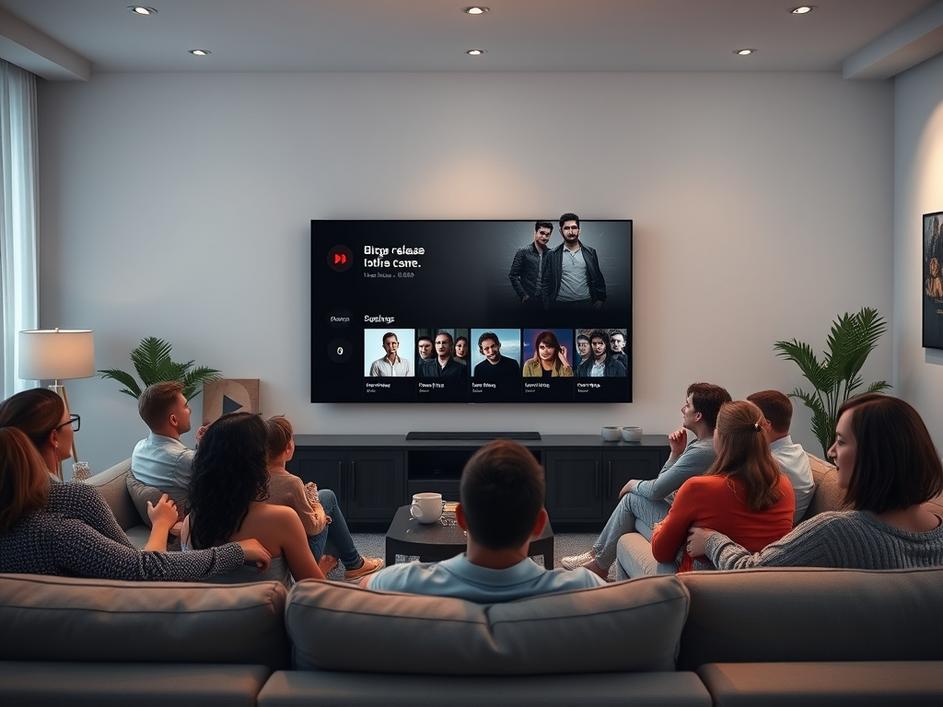
ToggleWhen 2021 rolled around, many streaming services swapped out the classic all‑at‑once drop for a week‑by‑week rollout. The move felt like a response to the growing appetite for appointment‑viewing, and it gave marketers a fresh way to keep shows in the conversation. But the data that just came out from Parrot Analytics suggests the story isn’t that simple. Viewers still flock to binge‑style releases when the right mix of hype, genre, and star power is present. The new figures show a noticeable spike in demand for titles that drop all at once, especially in the first 48 hours. That spike translates into a measurable bump in social chatter, search traffic, and even subscription sign‑ups. In short, the binge isn’t dead; it’s just more selective about when it works, and the industry is starting to notice the nuance behind the numbers.
The Parrot Analytics report breaks down demand into a metric called “Demand Expressions,” which counts everything from social posts to trailer views. When they compared binge releases to weekly drops, the binge titles scored roughly 20‑30 percent higher in the first week of availability. Over a six‑week window, the weekly releases caught up a bit, but they never quite matched the initial burst. More importantly, the ROI—calculated by dividing demand expressions by marketing spend—showed a clear edge for binge releases in high‑budget dramas and limited‑series. For lower‑budget comedies and reality formats, the weekly model held its own, suggesting that genre and budget still play a big role in deciding which strategy pays off.
From a revenue perspective, the binge model gives advertisers a short, intense window to place ads alongside fresh content. That can drive higher CPMs because the audience is highly engaged and less likely to skip. On the subscription side, a big binge drop can act like a magnet, pulling in new users who want to watch the whole thing in one go. However, the flip side is churn: if a subscriber signs up just for one big release and then leaves, the lifetime value drops. Weekly releases spread out the engagement, giving platforms a longer hook to keep viewers logged in and to serve ads over time. The new data suggests that a hybrid approach—big drops for marquee titles and weekly drops for the rest—might strike the best balance between ad revenue and subscriber retention.
Storytellers feel the impact of release windows just as strongly as marketers. A binge release encourages tight, cliff‑hanger‑laden episodes that reward marathon viewing. Writers can plant seeds early and pay them off quickly, knowing the audience will see the payoff within hours. Weekly releases, on the other hand, let creators stretch out character arcs, build suspense, and react to audience feedback between episodes. The data shows that creators who understand the strengths of each model can tailor their narratives accordingly, potentially boosting both critical reception and viewer demand. It also means that studios might start green‑lighting projects with a specific release plan in mind, rather than treating the window as an afterthought.
One surprising insight from the report is how regional preferences shape release success. In North America and Western Europe, binge‑ready genres like sci‑fi and prestige drama still dominate the demand spikes. In contrast, markets such as South Korea, Brazil, and parts of Southeast Asia show a stronger appetite for weekly drops, especially for locally produced content. The weekly model gives these audiences time to discuss episodes on social media, which fuels word‑of‑mouth growth in markets where streaming penetration is still climbing. Platforms that can flexibly switch between models based on regional data are likely to see a higher overall ROI, because they’re meeting viewers where they are most comfortable.
The headline‑grabbing numbers make it clear that binge‑watching isn’t a relic, but it isn’t a one‑size‑fits‑all solution either. The smartest streaming services will treat the release window as a strategic lever, not a default setting. By matching genre, budget, and regional audience habits to the right rollout plan, they can maximize demand, ad revenue, and subscriber loyalty. For creators, this means more freedom to choose the storytelling rhythm that best serves their vision. For viewers, it promises a future where the choice between a weekend marathon and a weekly ritual feels intentional rather than forced. In the end, the data reminds us that the real ROI isn’t just about numbers—it’s about delivering the right experience at the right time.
Source: Original Article


Comments are closed