

We are a digital agency helping businesses develop immersive, engaging, and user-focused web, app, and software solutions.
2310 Mira Vista Ave
Montrose, CA 91020

2500+ reviews based on client feedback
What's Included?
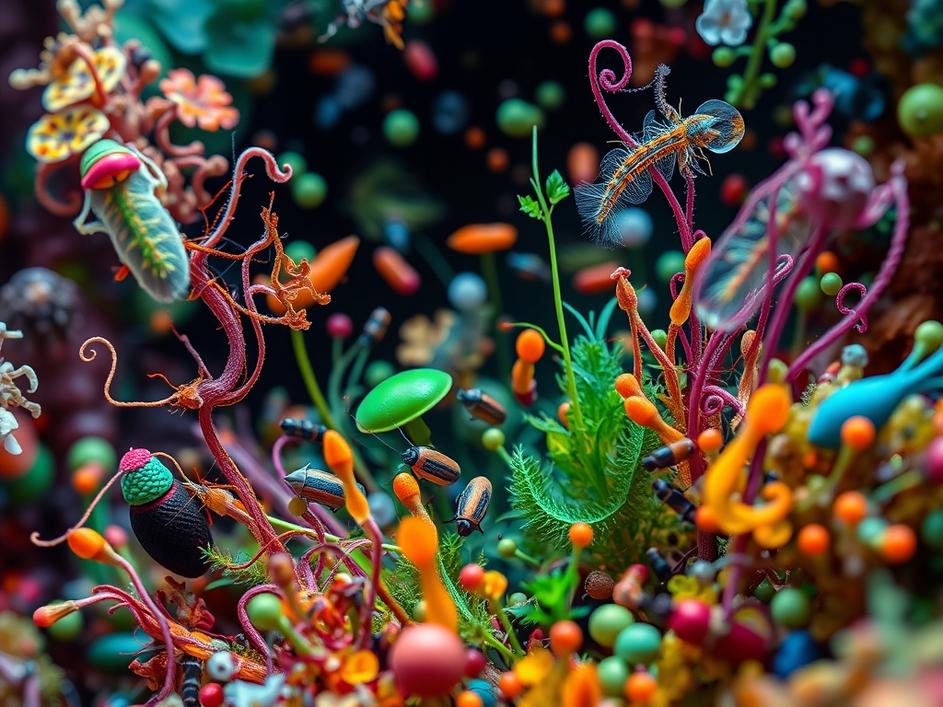
ToggleWe often get stuck in our ways, viewing the world from a limited perspective. But what happens when we shift our focus? What if we zoom in on the tiny details or pull back to see the bigger picture? It’s amazing how different things can look when we change our point of view. This idea of shifting perspectives is powerful, and it affects how we understand everything around us.
I stumbled across a presentation online, seemingly about “biofocus.” The title itself, a string of characters and numbers, wasn’t immediately revealing: “12biofoco_pptdominio5_capitulo1.pptx.” It looked like a file name someone might use before cleaning it up. But it got me thinking about presentations in general. Think about how much information gets shared through this format. From classrooms to boardrooms, presentations are a key way we share ideas, data, and stories. A good presentation can captivate an audience, while a poor one can leave everyone confused and bored. The content is king, but the delivery is crucial too.
So, what is “biofocus” anyway? While the file name itself offered little insight, the term suggests a focus on biological elements, maybe looking at life sciences with a particular emphasis or methodology. It might be analyzing ecosystems, studying cellular processes, or even exploring the human body. The possibilities are vast. In a world increasingly concerned with environmental sustainability, human health, and the intricate workings of nature, a “biofocus” is incredibly important. We need scientists, researchers, and thinkers who can delve into these topics and provide solutions to complex problems.
Technology plays a vital role in allowing us to refine this biofocus. Powerful microscopes allow us to see the tiniest components of a living thing, from viruses to cells. Advanced imaging techniques let us explore the inner workings of organs and systems without invasive procedures. And data analysis tools help us make sense of the massive amounts of information generated by biological research. Without technology, our understanding of biology would be severely limited. Think of gene sequencing! Now, imagine trying to do that without a computer. The future of biological understanding and application is intertwined with technological advancement.
It’s easy to think of biology as something confined to labs and textbooks, but it has real-world implications that affect our daily lives. The medicines we take, the food we eat, the air we breathe – all are influenced by biological processes. Understanding these processes allows us to develop new treatments for diseases, create more sustainable agricultural practices, and protect our environment. Biofocus helps us understand how our actions can have consequences, whether positive or negative, in the environment.
Consider developments in biofuels and renewable resources. Or even new ways to break down plastics by biological agents. These are all powerful, real-world applications of a focus on biology.
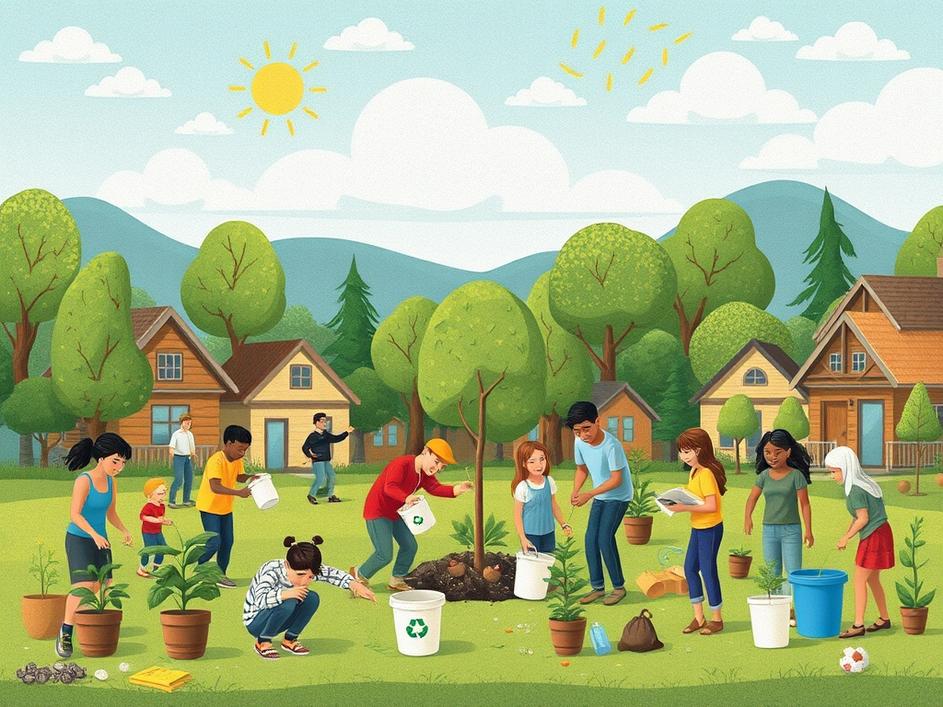
Education is key to fostering a deeper understanding of biology and its importance. Making scientific information accessible to everyone, not just experts, is crucial. We need to encourage curiosity and critical thinking, especially among young people. By providing access to resources like online presentations, articles, and interactive simulations, we can inspire the next generation of scientists and problem-solvers. It’s not enough to just present the data, it needs to be presented in a way that engages people, creating better understanding and improving acceptance of scientific outcomes.
Ultimately, biofocus reminds us of the interconnectedness of all living things. Every organism, from the smallest bacterium to the largest whale, plays a role in the delicate balance of our planet. When we disrupt this balance, we risk causing unforeseen consequences. By studying these connections, we can develop a more sustainable and harmonious relationship with nature. We must acknowledge that things once regarded as separate areas of study are, in fact, linked. We must encourage greater cooperation between fields if we are to make new discoveries and tackle pressing global issues.
Exploring a topic, even triggered by something as simple as a strangely named file, can lead to a deeper appreciation for the complexities of the world. Biology is a vast and ever-evolving field, filled with mysteries waiting to be uncovered. By embracing a biofocus, we can gain a new perspective on life and our place within it. Understanding is a continuous journey and something we must pursue. It is about gaining wisdom and making the world a better place for all.


Comments are closed