

We are a digital agency helping businesses develop immersive, engaging, and user-focused web, app, and software solutions.
2310 Mira Vista Ave
Montrose, CA 91020

2500+ reviews based on client feedback
What's Included?
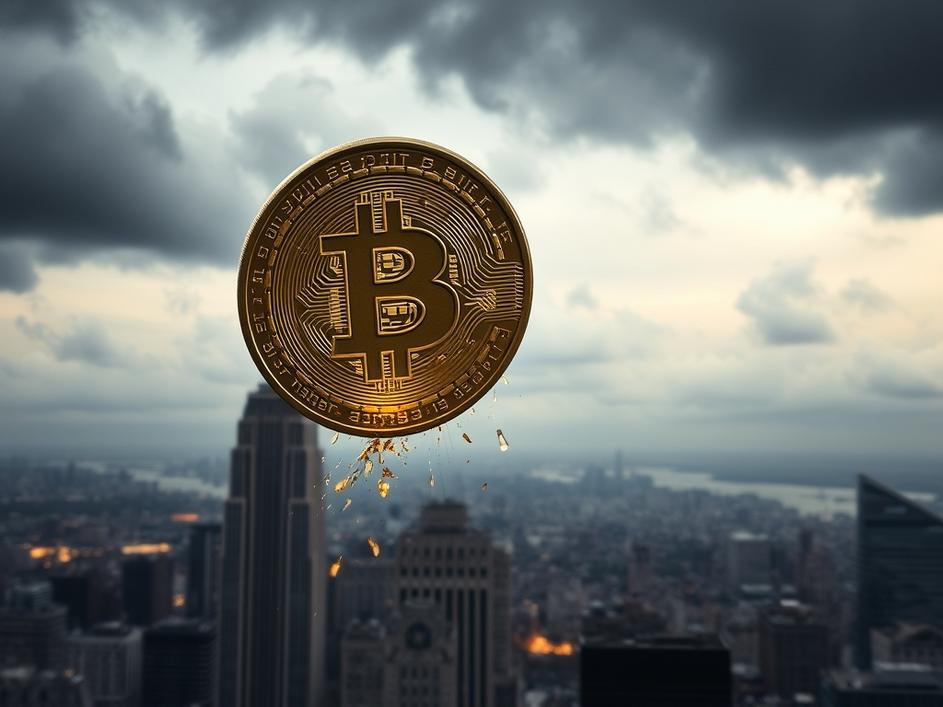
ToggleBitcoin, the king of cryptocurrencies, has been on a rollercoaster lately, and the latest dip is causing ripples of concern throughout the financial world. A sharp decline in Bitcoin’s value isn’t just a problem for crypto enthusiasts; it could have broader implications for the stock market and the overall economy. The question everyone’s asking is: will this crypto crash drag down traditional markets?
While it may seem like the crypto market and the stock market are separate entities, they’re becoming increasingly intertwined. Many institutional investors now hold both Bitcoin and stocks, and a significant sell-off in one market can trigger a similar reaction in the other. This is because investors may need to liquidate their holdings in one asset class to cover losses in another, leading to a domino effect.
Beyond the direct financial links, there’s also a psychological element at play. When investors see a major asset like Bitcoin experiencing a steep drop, it can create a sense of fear and uncertainty in the market. This fear can spread to the stock market, causing investors to become more risk-averse and sell off their holdings, even if the underlying fundamentals of those companies remain strong. This “risk-off” behavior can quickly escalate into a broader market correction.
So, what are the specific triggers that could cause Bitcoin’s woes to spill over into the stock market? One potential trigger is a major regulatory crackdown on cryptocurrencies. If governments around the world start imposing stricter rules on crypto trading and investment, it could further depress Bitcoin’s price and trigger a wider sell-off. Another warning sign is a sharp increase in interest rates. As interest rates rise, investors may become less willing to invest in risky assets like Bitcoin and stocks, preferring the safety of bonds and other fixed-income investments.
Currently, Bitcoin’s decline seems to be fueled by a combination of factors, including profit-taking after a period of strong gains, concerns about regulatory uncertainty, and fears of a broader economic slowdown. These factors are also weighing on the stock market, which has been experiencing its own volatility in recent months. The key question is whether Bitcoin’s decline will accelerate and trigger a full-blown panic in the market. If it does, we could see a significant correction in the stock market, with potentially negative consequences for the economy.
It’s important to remember that market corrections are a normal part of the economic cycle. While they can be painful in the short term, they also create opportunities for long-term investors to buy stocks at lower prices. The current situation is a reminder that diversification is key to managing risk. Investors should avoid putting all their eggs in one basket and instead spread their investments across different asset classes, including stocks, bonds, and real estate. It is also important to only invest what you can afford to lose, especially with more speculative assets like Bitcoin.
The future is uncertain, and it’s impossible to predict exactly what will happen with Bitcoin and the stock market. However, by understanding the risks and potential triggers, investors can make informed decisions and protect their portfolios. Keep a close eye on Bitcoin’s price action, regulatory developments, and interest rate trends. Stay informed and be prepared to adjust your investment strategy as needed. The key is to remain calm, avoid making rash decisions based on fear, and focus on the long term.
Bitcoin’s recent struggles serve as a stark reminder of the volatility inherent in the crypto market and the potential for that volatility to impact traditional financial markets. While the extent of the potential “spill over” remains to be seen, it’s prudent for investors to exercise caution, diversify their portfolios, and stay informed about the evolving economic landscape. The interconnectedness of the financial world means that events in one market can quickly ripple through others, making vigilance and informed decision-making more critical than ever.



Comments are closed