

We are a digital agency helping businesses develop immersive, engaging, and user-focused web, app, and software solutions.
2310 Mira Vista Ave
Montrose, CA 91020

2500+ reviews based on client feedback
What's Included?
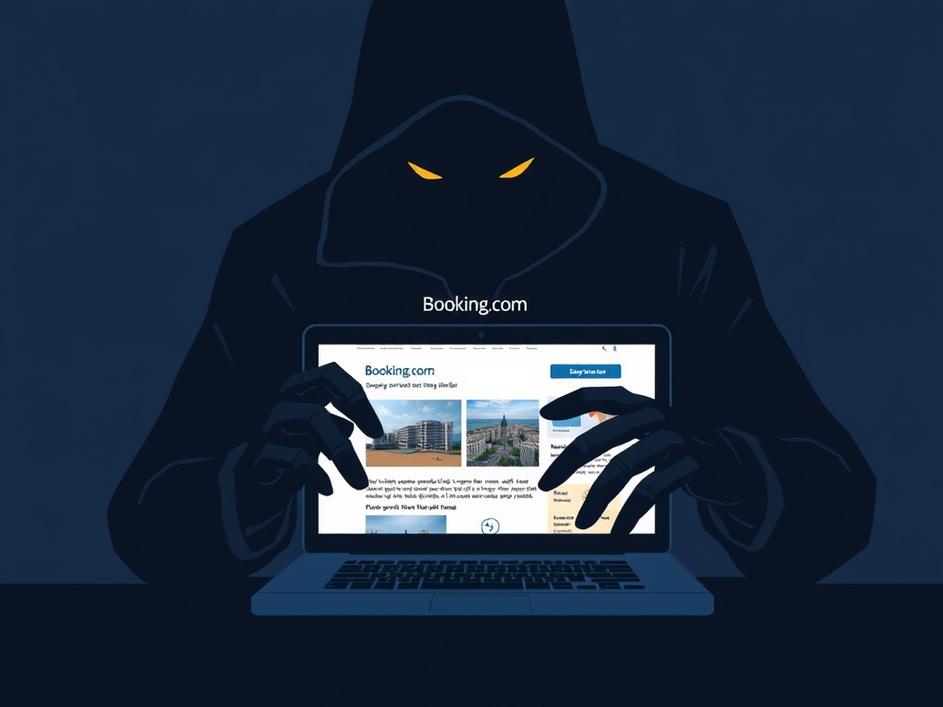
ToggleBooking.com, the go-to website for many travelers, recently confirmed a data breach. This isn’t just a minor hiccup; it’s a serious problem that could affect countless users. The breach exposed sensitive information like traveler names and reservation details. Think about it – your name, where you’re staying, and when you’re checking in are all now potentially in the wrong hands. This is enough information for scammers to craft convincing phishing attacks.
What makes this breach particularly alarming is how the stolen data is being used. Attackers are reportedly using the exposed information to target Booking.com customers with personalized phishing scams. Imagine receiving an email or message that seems legitimate, referencing your specific reservation details. It’s much easier to fall for a scam when it feels tailored to you. These scammers are exploiting the trust people place in Booking.com, making their attacks all the more effective. They might ask you to “verify” your payment information or “confirm” your booking by clicking a link, which leads to a fake website designed to steal your credentials or financial details. This is a classic phishing tactic, but with a dangerous new level of personalization.
Here’s where things get even more interesting – and potentially scary. There’s speculation that AI could be playing a role in these phishing attacks. AI could be used to analyze the stolen data and craft highly personalized and convincing phishing messages at scale. Instead of generic phishing emails, imagine receiving messages that perfectly mimic Booking.com’s communication style, addressing you by name, and referencing specific details of your upcoming trip. AI can even learn from successful phishing attempts, constantly refining its techniques to become even more effective. This raises serious questions about the future of online security and the challenges we face in detecting and preventing AI-powered scams.
This breach isn’t just a problem for Booking.com customers; it’s a wake-up call for everyone who uses online services. It highlights the importance of strong passwords, being cautious about suspicious emails and messages, and enabling two-factor authentication whenever possible. Always double-check the website address before entering any sensitive information, and never click on links in emails or messages from unknown senders. It also underscores the need for companies to invest in robust security measures to protect user data from breaches in the first place. Data encryption, regular security audits, and employee training are all crucial steps in preventing these types of attacks.
So, what can you do to protect yourself? First, be extra vigilant about any emails or messages you receive regarding your Booking.com reservations. Even if they seem legitimate, contact Booking.com directly through their official website or customer service channels to confirm the details. Change your Booking.com password immediately, and consider using a password manager to create strong, unique passwords for all your online accounts. Enable two-factor authentication on your Booking.com account and any other accounts that offer this security feature. Report any suspicious emails or messages to Booking.com and your local authorities. Stay informed about the latest security threats and best practices for online safety. The more aware you are, the better equipped you’ll be to protect yourself from phishing scams and other online attacks. And maybe it’s time to start thinking about how AI is involved in our lives and how to protect yourself from it.
The Booking.com breach is a stark reminder of the importance of trust and responsibility in the digital age. When we entrust companies with our personal information, we expect them to protect it. When breaches occur, it erodes that trust and makes us more vulnerable to online scams and identity theft. Companies have a responsibility to invest in strong security measures, be transparent about data breaches, and provide support to affected users. As users, we need to be more vigilant about protecting our own data and demanding better security practices from the companies we do business with. The fight against online crime is a shared responsibility, and it’s one that we all need to take seriously.



Comments are closed