

We are a digital agency helping businesses develop immersive, engaging, and user-focused web, app, and software solutions.
2310 Mira Vista Ave
Montrose, CA 91020

2500+ reviews based on client feedback
What's Included?
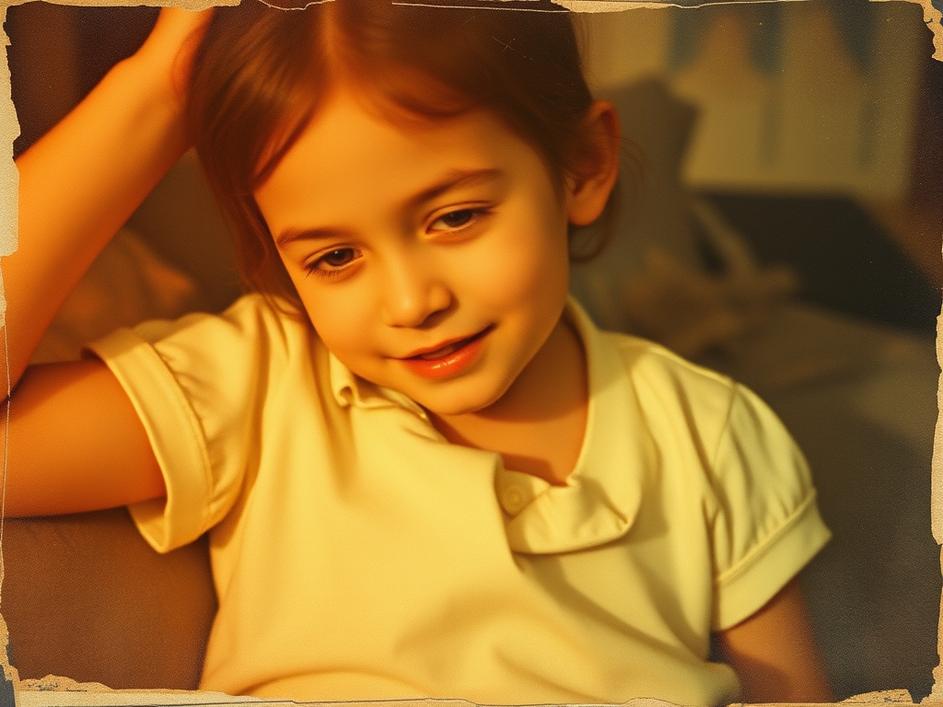
ToggleWe’re living in an age of nostalgia. People are obsessed with the past, whether it’s revisiting old movies, listening to classic records, or scrolling through vintage photos online. But what happens when the physical artifacts of those memories—our old photos—begin to fade, crack, or discolor? That’s where AI-powered photo restoration tools come into play, offering a chance to revive those precious moments. PicWish, a company specializing in AI-driven image solutions, has just upped their game with an upgraded old photo restoration tool, and it’s worth taking a look.
PicWish’s updated tool boasts a new AI model and support for Ultra HD output. This means the software is now even better at identifying and correcting imperfections in old photos, while also producing higher-resolution results. Think of it like taking a blurry, damaged photograph and turning it into something crisp, clear, and vibrant. The promise is that details previously lost to time can be recovered, bringing faces, landscapes, and moments back to life. It’s not just about fixing damage; it’s about rediscovering the past with greater clarity.
Traditional photo restoration can be a painstaking and expensive process. It often requires skilled professionals who meticulously work on each image, using specialized software and techniques. This can take hours, or even days, per photo. AI restoration offers a faster, more accessible, and often more affordable alternative. By automating much of the restoration process, AI can quickly analyze an image, identify areas that need improvement, and apply corrections with impressive accuracy. While it might not completely replace professional services for extremely damaged or historically significant photos, it provides a fantastic option for the average person looking to preserve their family history.
So, what are the real-world applications of this technology? Imagine uncovering a box of old family photos in the attic. Many are likely faded, torn, or water-damaged. With PicWish (and similar tools), you could quickly scan those photos and use the AI to restore them. Suddenly, you have clear, shareable images that can be enjoyed by the whole family. These restored photos can then be used to create albums, slideshows, or even personalized gifts. It’s also a great way to preserve historical documents or images that are starting to deteriorate. The ability to restore old photos isn’t just about vanity; it’s about preserving our collective memory and making it accessible for future generations.
Of course, the success of any AI tool hinges on its user-friendliness. If the process is too complicated or the results are disappointing, people won’t use it. PicWish likely understands this and has hopefully designed its updated tool to be intuitive and easy to navigate. The promise of Ultra HD output is also a significant selling point. Many older photos were taken with low-resolution cameras, resulting in small, grainy images. The ability to upscale these photos while maintaining clarity is a major advantage. Looking ahead, it’s exciting to think about the future possibilities of AI photo restoration. As AI models become more sophisticated, they could potentially learn to reconstruct missing parts of photos, colorize black and white images with greater accuracy, and even add subtle animations to bring still photos to life.
While the potential of AI photo restoration is undeniable, there are also some potential downsides and ethical considerations to keep in mind. One concern is the risk of over-editing. It’s tempting to use these tools to completely transform old photos, removing wrinkles, smoothing skin, and generally making people look younger or more “perfect.” However, this can erase the authenticity of the image and create a distorted representation of the past. It’s important to use these tools responsibly and strive for natural-looking results. Another concern is the potential for misuse. AI photo restoration could be used to create fake images or manipulate historical records. It’s crucial to be aware of these risks and to develop safeguards to prevent abuse.
Overall, PicWish’s upgraded AI old photo restoration tool represents a significant step forward in the field of image processing. By combining a new AI model with Ultra HD support, the company is offering a powerful and accessible way to revive old memories. While it’s important to be aware of the potential downsides and ethical considerations, the benefits of this technology are undeniable. For anyone looking to preserve their family history or simply rediscover the past, AI photo restoration tools like PicWish offer a valuable and convenient solution. It’s about more than just fixing old photos; it’s about connecting with our past and sharing it with the future.
Comments are closed