

We are a digital agency helping businesses develop immersive, engaging, and user-focused web, app, and software solutions.
2310 Mira Vista Ave
Montrose, CA 91020

2500+ reviews based on client feedback
What's Included?
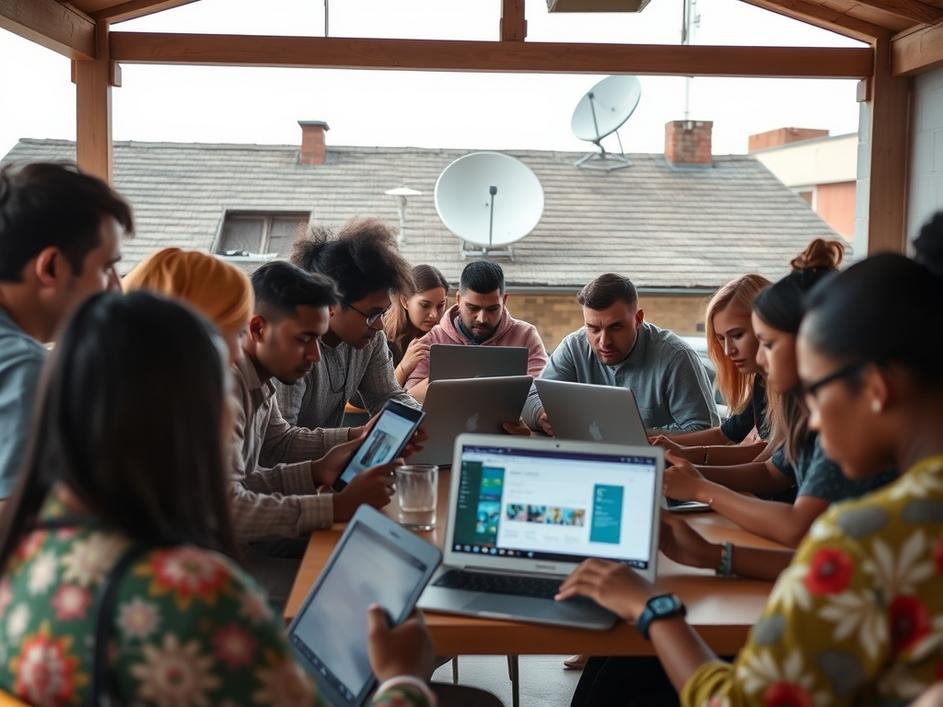
ToggleIn today’s world, internet access is no longer a luxury; it’s a necessity. We rely on it for everything from education and healthcare to communication and entertainment. But what about those who can’t afford it? The digital divide, the gap between those who have access to technology and those who don’t, is a persistent problem that affects millions worldwide. The good news is that innovative solutions are emerging to make connectivity more accessible and affordable than ever before. And it is about time too. So many services rely on having an internet connection that it is becoming impossible to function in society without it. This will only get worse as more government services move online too.
One promising approach involves using satellite technology to beam internet access to remote and underserved areas. Companies are launching constellations of satellites into low Earth orbit, creating a network that can provide high-speed internet to virtually any location on the planet. The advantage of satellite internet is that it doesn’t rely on traditional infrastructure like fiber optic cables or cell towers, making it ideal for rural communities and areas with limited infrastructure. But, of course, the success of these services depends on offering affordable pricing plans, which is where the real challenge lies.
The key to affordable connectivity lies in fostering competition and innovation within the telecommunications industry. When multiple providers compete for customers, prices tend to go down and service quality improves. Governments can play a role by creating a regulatory environment that encourages competition and removes barriers to entry for new players. We have seen this happen with mobile phone services. Once there was a monopoly things were expensive and of poor quality. But competition caused costs to plummet and innovation to take hold. We need that again with internet provision.
In some cases, communities are taking matters into their own hands by creating their own internet networks. These community-owned networks can provide affordable internet access to residents and businesses, while also keeping profits within the community. These initiatives often rely on a combination of technologies, such as fiber optic cables, wireless networks, and even repurposed telephone lines. The great thing is that these networks are often more responsive to local needs and priorities than large, corporate providers. It’s about empowering people to create their own solutions.
Of course, affordable connectivity is only part of the solution. It’s also important to ensure that people have the skills and knowledge they need to use the internet effectively. Digital literacy programs can help people learn how to navigate the web, use online tools, and protect themselves from online threats. These programs are especially important for older adults, people with disabilities, and those who have limited education. Making sure people can use what they have is just as important as providing access. Some people get a computer or a phone and just can’t use it properly, making it useless.
Government subsidies can play a crucial role in making internet access more affordable for low-income households. Programs like the Affordable Connectivity Program in the United States provide eligible households with a discount on their monthly internet bill. These subsidies can make a real difference in the lives of families who are struggling to make ends meet. However, these programs must be designed carefully to avoid waste and fraud, and to ensure that they are reaching the people who need them most.
The goal is to create a world where everyone has access to affordable, reliable internet. This requires a multi-faceted approach that combines technological innovation, government support, community involvement, and digital literacy programs. By working together, we can bridge the digital divide and create a more equitable and inclusive society. And it is very important that we make sure that all sectors of society are included, no matter what their social or economic background is.
The dream of affordable internet access for everyone is within reach. By embracing new technologies, fostering competition, and supporting community-based initiatives, we can create a future where everyone has the opportunity to participate in the digital economy. It will improve education, healthcare, and economic opportunities for all. It’s an investment in our collective future, ensuring that no one is left behind in the digital age. The future is connected, and we need to make sure everyone has a ticket.


Comments are closed