The Rise of Deepfakes in Hollywood
In recent years, deepfake technology has exploded, raising eyebrows and concerns across various industries. This technique, which uses artificial intelligence to create hyper-realistic alterations or pseudo-replicas of people, has found its way into Hollywood. From turning back the clock on aging actors to allowing one star’s face to appear on another’s body, these manipulations have blurred the line between reality and fiction. While some see it as a tool for creativity, others worry about its potential misuse, especially when it comes to actors’ rights and consent.
Bryan Cranston’s Advocacy
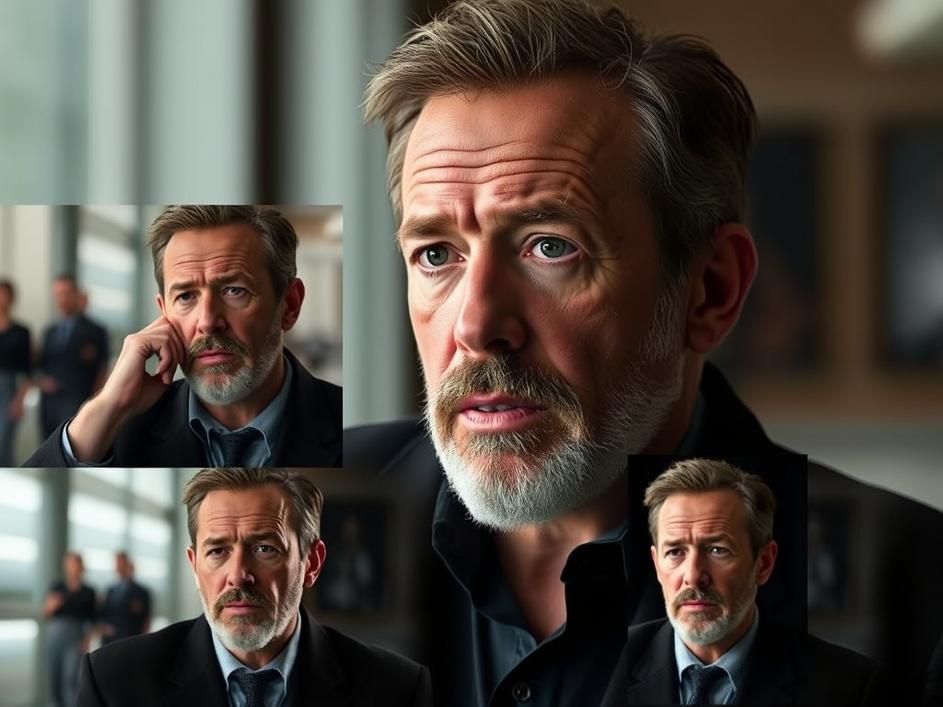
Enter Bryan Cranston, a seasoned actor best known for his roles in classics like “Breaking Bad.” Recently, he raised a red flag over his likeness being used in deepfake videos without his permission. Known for his strong advocacy in the film industry, Cranston took his concerns to SAG-AFTRA, the union representing film and television actors. His call to action is not just about his own image but about protecting the rights of all actors in an ever-evolving digital landscape.
The Role of OpenAI in the Deepfake Dilemma
In the wake of Cranston’s advocacy, OpenAI has stepped in to collaborate with him and other Hollywood personalities. The company aims to introduce measures that will limit the creation of unauthorized deepfakes on its platform, Sora 2. This step acknowledges the power of artificial intelligence while recognizing the ethical dilemmas it presents. OpenAI’s move signifies a broader responsibility that tech companies must take when designing tools that can easily cross the lines of consent and authenticity.
Implications for the Future of Film and Privacy
This initiative brings up critical questions about privacy and ownership in an age of rapid technological advancement. As tools become accessible to the public, the potential for misuse increases. If actors’ facial likenesses can be manipulated without their consent, it opens the door to issues of fraud, defamation, and exploitation. Cranston’s situation shines a light on the need for stronger regulations and permissions when it comes to digital reproductions in films and media.
A Call for Industry Standards
The partnership between Cranston and OpenAI could serve as a model for developing industry standards surrounding the use of deepfake technology. This will not only help protect the rights of actors but also foster a more responsible use of advanced technologies. The entertainment industry must now grapple with the balance between innovation and ethics, ensuring that new tools are used to enhance storytelling rather than undermine the integrity of the artists behind the stories.
Conclusion: A Shared Responsibility
The recent developments surrounding Bryan Cranston and OpenAI highlight the urgent need for a collective effort to establish ethical guidelines for deepfake technology. While innovation brings exciting possibilities, it also poses risks that can compromise personal and professional reputations. As we look forward, it’s crucial for tech companies, artists, and industry organizations to collaborate and set clear principles that govern the use of such transformative tools. Only through shared responsibility can we truly harness the power of technology while respecting individual rights and the essence of authenticity in art.





Comments are closed