

We are a digital agency helping businesses develop immersive, engaging, and user-focused web, app, and software solutions.
2310 Mira Vista Ave
Montrose, CA 91020

2500+ reviews based on client feedback
What's Included?
ToggleConstruction is an industry always ripe for innovation. It’s physical, demanding, and often slow to adopt new technologies. But that’s changing. A new joint technology and construction program is training workers on drones and extended reality (XR), signaling a significant shift in how we build our world. And, the first cohort has already graduated, which highlights the program’s focus on equipping people with skills for the future.
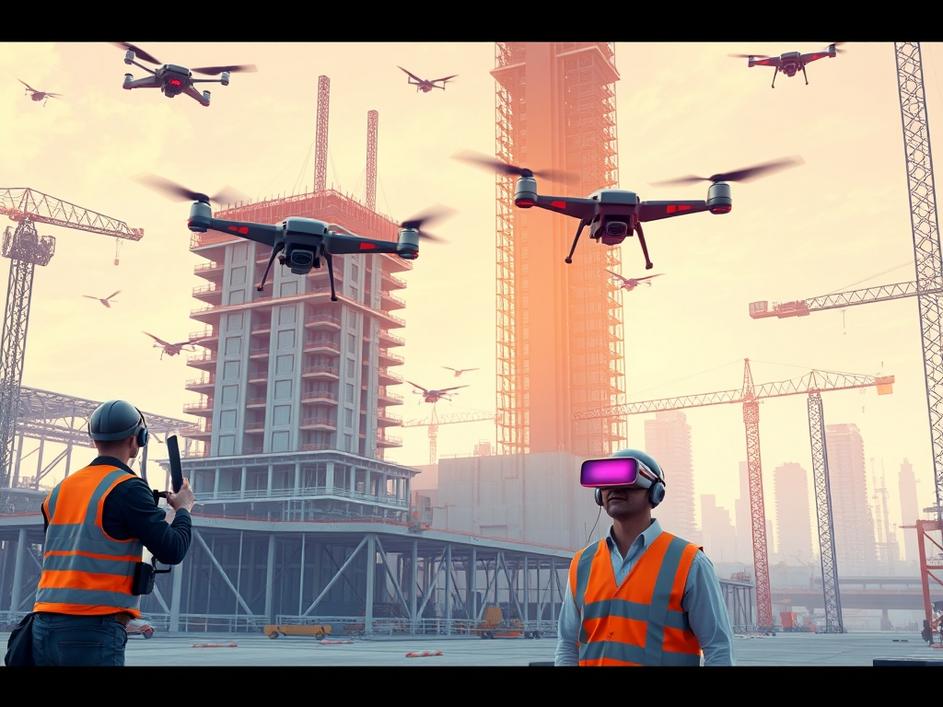
Drones are no longer just toys for hobbyists; they’re becoming indispensable tools on construction sites. Imagine a drone equipped with high-resolution cameras surveying a massive project, providing real-time data on progress, identifying potential safety hazards, and even inspecting hard-to-reach areas. That’s the reality this program is preparing workers for. Drones can perform site mapping, thermal imaging, and deliver materials, making projects safer, faster, and more efficient. The ability to get a bird’s-eye view, literally, provides project managers and construction teams with insights they never had before.
Extended reality, encompassing augmented reality (AR) and virtual reality (VR), offers another powerful tool. Imagine architects and engineers walking through a virtual building before a single brick is laid, identifying potential design flaws and making adjustments in real-time. Or construction workers using AR headsets to guide them through complex tasks, overlaying digital instructions onto the physical world. This is the power of XR in construction. It improves collaboration, reduces errors, and enhances training by providing immersive, hands-on experiences without the risks associated with real-world environments.
It’s not just about learning to fly a drone or wear an AR headset. This joint technology and construction program is about developing a holistic skillset. Graduates will need to understand data analysis, 3D modeling, and project management principles. More importantly, they’ll need to be able to integrate these technologies into existing workflows and communicate their value to stakeholders. The program likely includes components on problem-solving, critical thinking, and adaptability – all essential skills in a rapidly evolving industry.
What I find interesting is the potential impact on job creation and economic growth. While some might fear that automation will lead to job losses, the reality is that new technologies often create new roles. People will be needed to operate and maintain drones, develop XR applications, analyze data, and train others on these technologies. The construction industry is facing a labor shortage, and this program could help to fill that gap by attracting a new generation of workers who are eager to learn cutting-edge skills. I also believe this will lead to more sustainable construction practices. Drones can help to optimize material use, reduce waste, and monitor environmental impact, leading to greener building projects. The construction industry has been notoriously slow to adopt sustainable practices, but technology is now offering new pathways to a more environmentally friendly future.
Of course, there are challenges to overcome. The cost of implementing these technologies can be a barrier for some companies, especially smaller ones. There’s also the need for clear regulations and safety standards for drone operations and XR use on construction sites. Data privacy and security are also important considerations. However, the potential benefits far outweigh the challenges. This joint technology and construction program represents a bold step forward in modernizing the industry and preparing workers for the jobs of the future. It’s an investment in innovation, sustainability, and economic growth.
This isn’t just about making construction sites more efficient; it’s about making them safer, more sustainable, and more innovative. By embracing drones and extended reality, the construction industry is taking a giant leap into the future. And it’s exciting to see programs like this one equipping workers with the skills they need to lead the way.
The convergence of technology and construction is changing the way we build, design, and manage projects. This joint program is a testament to the power of collaboration and the importance of investing in skills development. As drones and XR become more integrated into the industry, we can expect to see even more innovative solutions emerge, transforming the built environment and creating a more sustainable and efficient future.



Comments are closed