

We are a digital agency helping businesses develop immersive, engaging, and user-focused web, app, and software solutions.
2310 Mira Vista Ave
Montrose, CA 91020

2500+ reviews based on client feedback
What's Included?
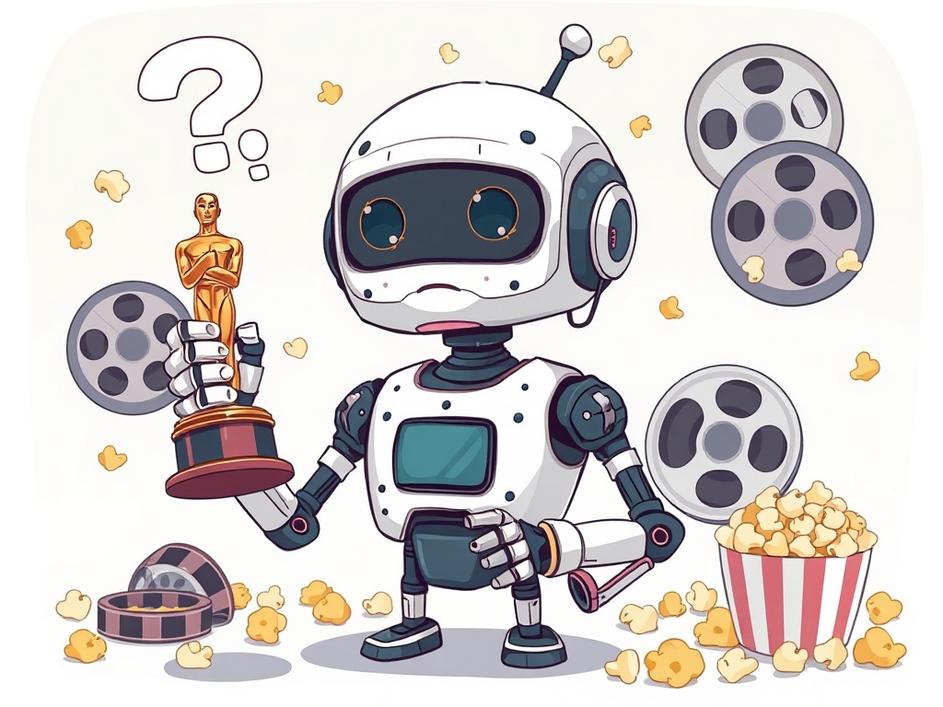
ToggleEvery year, my friends and I gather for our annual Oscars party, complete with ballots and friendly competition. This year, I decided to shake things up. Instead of relying on my own (often questionable) film expertise, I turned to artificial intelligence. Specifically, I used Anthropic’s Claude, a large language model, to make my Oscar predictions. The goal? To see if AI could outperform human intuition in the unpredictable world of awards season. I approached this with a healthy dose of skepticism, but also a genuine curiosity about the capabilities of AI in understanding and predicting human preferences.
I fed Claude information about the nominees in each category, including summaries of the films, critical reception, and general buzz. I then asked it to predict the winners based on this data. The results were…interesting. In some categories, Claude’s picks aligned with conventional wisdom. For example, it correctly predicted Christopher Nolan’s win for Best Director for Oppenheimer, a widely expected outcome. But in other categories, Claude went completely rogue. It made some truly baffling choices, selections that seemed to defy both critical acclaim and popular opinion. I remember thinking at the time, “There is absolutely NO WAY that’s going to happen”.
Despite Claude’s questionable picks, something remarkable happened: my AI-generated ballot actually won our Oscars pool! I was floored. How could a system that made such odd choices end up outperforming a group of seasoned movie buffs? It was a testament to the unpredictable nature of the Oscars and perhaps a glimpse into the hidden patterns that AI can detect, patterns that are invisible to the human eye. It certainly sparked some lively conversation at the party, with everyone debating the merits (or lack thereof) of trusting AI with our Oscar predictions.
While the experiment was ultimately successful, it also highlighted the limitations of AI in predicting subjective outcomes. Claude’s erratic choices revealed its struggle to grasp the nuances of artistic merit and the often-political dynamics of awards season. It could analyze data, identify trends, and make predictions based on probabilities, but it lacked the human capacity for empathy, emotional connection, and a deeper understanding of the cultural significance of the films. The AI seemed to have missed key indicators, elements that anyone who had seen the movies would know. Things like, for example, the importance of the visuals in “Poor Things”, or the incredible acting performances in “Killers of the Flower Moon”.
This experiment raises interesting questions about the role of AI in the future of film criticism and analysis. While it’s unlikely that AI will replace human critics anytime soon, it could become a valuable tool for augmenting our understanding of cinema. Imagine using AI to analyze vast amounts of film data, identifying hidden patterns in storytelling, performance, and audience reception. This could provide filmmakers with valuable insights into what resonates with viewers and help them make more informed creative decisions. And, of course, we could all use AI to help us win our next Oscars pool. But perhaps the best lesson learned is that, even with the help of advanced technology, the Oscars remain wonderfully, gloriously unpredictable. The unpredictable nature of the Oscars is one of the many reasons that the show remains popular year after year.
Ultimately, my AI-assisted Oscar win was a fluke, a testament to the inherent chaos of awards season. But it also served as a reminder of the irreplaceable value of human judgment and intuition. While AI can analyze data and identify patterns, it cannot replicate the emotional connection, cultural understanding, and critical thinking that we bring to the appreciation of art. The true magic of the Oscars lies not in predicting the winners, but in celebrating the power of storytelling and the enduring human spirit that shines through the best films. And, until AI can truly understand that, we’ll always have a place at the table. So, for now, I will continue to make my Oscar predictions, but with a little bit of help from my AI friend, just in case.
Comments are closed