

We are a digital agency helping businesses develop immersive, engaging, and user-focused web, app, and software solutions.
2310 Mira Vista Ave
Montrose, CA 91020

2500+ reviews based on client feedback

What's Included?
ToggleArtificial intelligence is the hot topic right now, and for good reason. AI models are getting smarter, faster, and more capable every day. But there’s a hidden cost to all this innovation: energy. Training and running these complex algorithms requires massive amounts of electricity. Data centers, the hubs where AI magic happens, are becoming major power consumers, and their needs are only going to grow. This raises some serious questions about sustainability and reliability. What happens when the power grid can’t keep up with the demand? That’s where companies like EQT come into play.
EQT might not be a household name like Google or Amazon, but it’s a major player in the natural gas industry. They’re one of the largest natural gas producers in the United States, and they’re increasingly positioning themselves as a key provider of reliable power for data centers. Now, you might be thinking, “Natural gas? Isn’t that a fossil fuel?” And you’d be right. But the reality is that natural gas currently offers a more consistent and readily available energy source than renewables like solar or wind, especially when it comes to meeting the around-the-clock demands of AI.
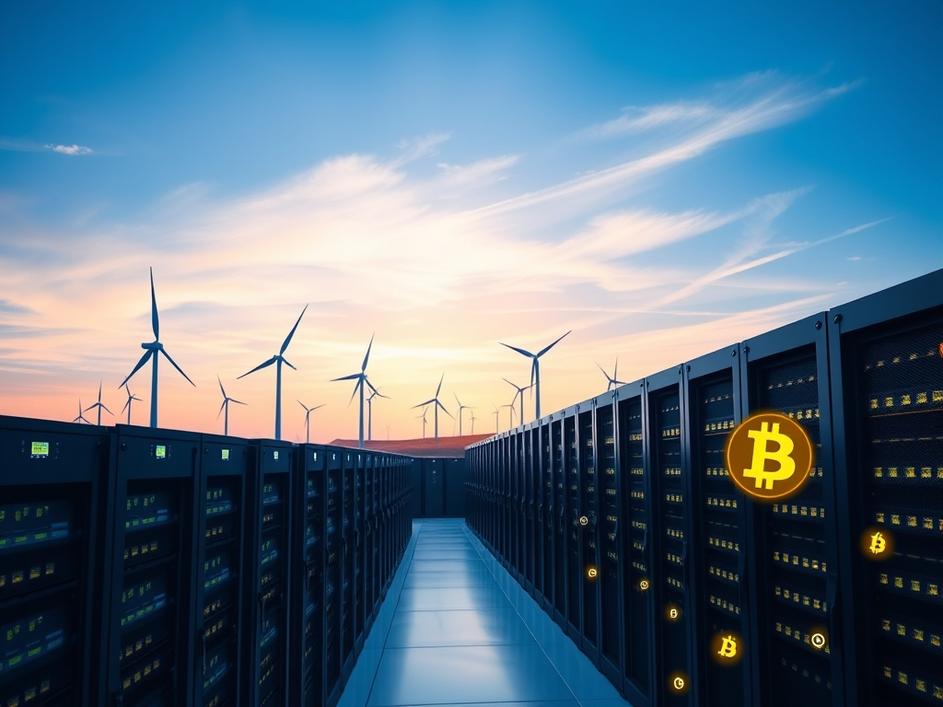
The challenge with renewable energy is its intermittency. The sun doesn’t always shine, and the wind doesn’t always blow. While battery storage technology is improving, it’s not yet at the scale needed to reliably power massive data centers. Natural gas, on the other hand, can provide a steady, predictable source of energy, 24/7. This reliability is crucial for AI applications, where even brief outages can disrupt training, halt critical operations, and lead to significant financial losses. EQT is essentially betting that this need for reliability will keep natural gas relevant, even as the world transitions to cleaner energy sources.
The role of natural gas in powering AI is a complex issue with no easy answers. On one hand, it provides a necessary backup and ensures the continuous operation of vital AI infrastructure. On the other hand, it perpetuates the use of fossil fuels and contributes to greenhouse gas emissions. Some argue that natural gas is a necessary “bridge fuel” that can help us transition to a fully renewable energy future. Others believe that it’s simply delaying the inevitable and locking us into a carbon-intensive energy system for longer than necessary. The debate is ongoing, and the stakes are high.
EQT seems to understand this tension and is exploring ways to reduce its environmental impact. They’re investing in technologies like carbon capture and storage, which aim to capture carbon dioxide emissions from natural gas power plants and store them underground. They’re also exploring opportunities to blend natural gas with renewable energy sources to create a more sustainable energy mix. Ultimately, EQT’s strategy appears to be about providing a reliable energy solution while simultaneously working towards a cleaner future. This is likely driven by investor and public pressure to address climate concerns. It’s also a smart business move, as the demand for sustainable energy solutions will only continue to grow.
Beyond the technical aspects of energy production and distribution, there are also important ethical considerations to keep in mind. Who benefits from the rapid advancement of AI, and who bears the costs? Are we prioritizing innovation at the expense of environmental sustainability? These are questions that society as a whole needs to grapple with. As AI becomes more deeply integrated into our lives, it’s crucial that we consider its impact on the planet and strive to create a future where technology and sustainability go hand in hand.
The relationship between AI and energy is only going to become more intertwined in the years to come. As AI models become more sophisticated and data centers continue to expand, the demand for electricity will continue to soar. The challenge will be to meet that demand in a way that is both reliable and sustainable. This will require a combination of technological innovation, policy changes, and a fundamental shift in our thinking about energy consumption. Companies like EQT have a role to play in this transition, but ultimately, it will take a collective effort to ensure that AI benefits humanity without compromising the health of our planet.

Comments are closed