

We are a digital agency helping businesses develop immersive, engaging, and user-focused web, app, and software solutions.
2310 Mira Vista Ave
Montrose, CA 91020

2500+ reviews based on client feedback
What's Included?
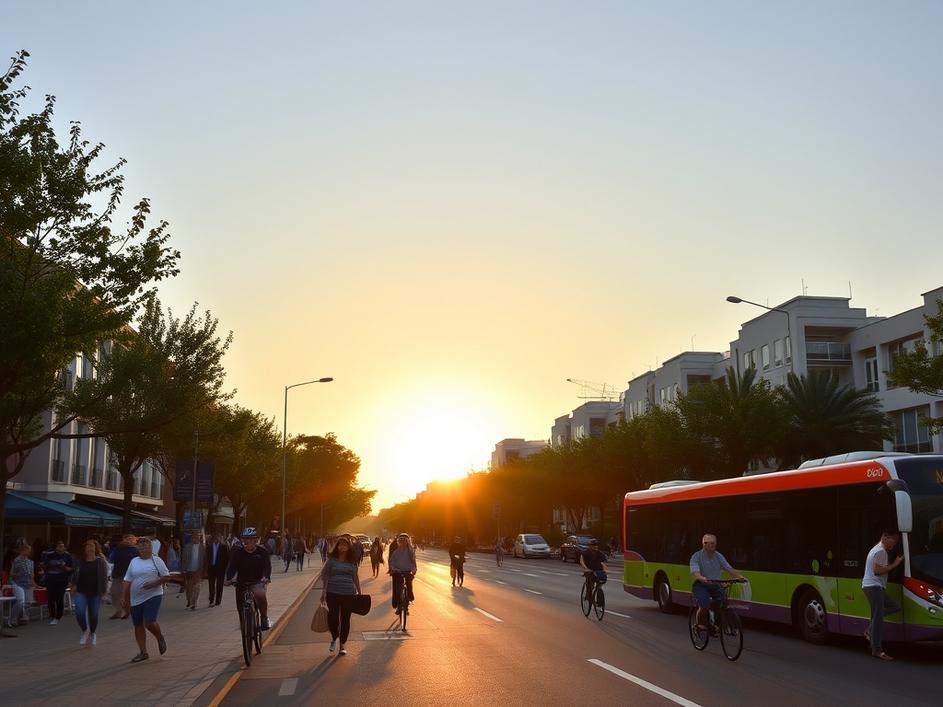
ToggleOn the surface, the latest news speaks about a city taking back space from car lanes and handing it over to pedestrians, cyclists, and buses. The plan aims for cleaner air, less traffic, and a busier street life. It sounds simple, but it’s really a bet on how people move day to day. The numbers and dates matter, yet the real test sits with how families, workers, and shop owners adjust. If a plan makes the city feel calmer and safer, then it is more than a policy. It becomes a habit shift in how people choose to travel, where they linger, and how they see their neighborhood. This post isn’t arguing for or against the move. It’s about what such changes ask of real life people who live with them.
What happens to a commute when a street swaps car lanes for wider sidewalks? Some people will greet the change with relief—the air may feel fresher, the sidewalks safer, the walk to a bus stop shorter. Others will worry about parking, delivery windows, or the way customers used to roll in by car. A street can become a stage for community life, with neighbors sharing space and small businesses benefiting from foot traffic. But change isn’t free. Small shops that depended on quick car trips may feel squeezed. The plan needs to show it understands these trade-offs, not gloss over them. Clear timelines, practical alternatives, and direct help for those who must move goods or reach early shifts will decide whether the plan sticks or fades away.
Every city plan has a price tag. Big ideas sound elegant until the bill lands on someone’s desk. The usual questions arise: who funds the transition, and what new costs follow? Will taxes rise, or will funding come from reallocating existing budgets? Some of the money might go toward better bus service, more bike lanes, and maintenance. That’s a good trade for many people. Yet there are hidden costs too, like the risk of a few businesses losing a steady stream of car customers. The healthy approach is transparency. Share the expected costs, the fallback plans, and the steps to measure whether the benefits outweigh the costs over time. Without honesty about money, even good ideas crumble under doubt.
Implementation shapes trust. A pilot area lets residents and business owners test the idea before it spreads. Phasing the change helps people adapt. Data matters: air quality, traffic flow, bus reliability, and street usage. If the city proves the plan improves life in the pilot, it gains room to grow. If it struggles, the plan can adjust. Communication matters just as much as construction. People need to hear what will change, when, and why. Honest updates, even when the news isn’t perfect, build a sense of shared purpose. The best outcomes come from listening as much as deciding.
Cities don’t change overnight. A shift toward car-free zones is a long conversation about how we want to live together. Over time, street life can become more human—shops open later, neighbors linger on benches, kids explore safe routes to school. This isn’t about erasing cars; it’s about using street space more deliberately. It’s a chance to rethink parking, curbside pickup, and last-mile deliveries. If done thoughtfully, the plan nudges behavior toward slower, more deliberate choices that favor health and community. The true impact will show up in small moments: a neighbor chatting with a shop owner, a father walking with a stroller instead of circling the block for a spot, a bus arriving on time even when the traffic stream is calmer.
Keep an eye on three things. First, how residents respond in the first six months. Second, what the data says about air quality and travel times. Third, how small businesses adjust their operations. If the city can demonstrate real improvements without leaving people behind, the plan gains legitimacy. If not, it should be ready to adapt rather than insist on one rigid path. Either way, this is less about a new rule and more about a shared promise: streets can belong to people, not just cars. That shift is small in policy terms but big in daily life, and its success will be measured in quiet conversations, longer walks, and the simple joy of moving through a city that feels calmer and kinder.
News like this invites us to pause and ask what we value in a city. Do we want speed or space for each other? Do we want the smell of fresh air at the bus stop or a world where a trip is a short, easy choice? The answers aren’t in slogans but in routines. As the plan rolls out, the real proof will be in how often people choose to walk, how often a shop owner can greet a customer outside, and how safe a street feels after dark. If the aim is a healthier, more connected city, then the path forward should stay close to the ground: listen, adjust, and keep walking with the neighborhood. That steady, human approach is what will make any policy feel less like a rule and more like a shared improvement.


Comments are closed