

We are a digital agency helping businesses develop immersive, engaging, and user-focused web, app, and software solutions.
2310 Mira Vista Ave
Montrose, CA 91020

2500+ reviews based on client feedback
What's Included?
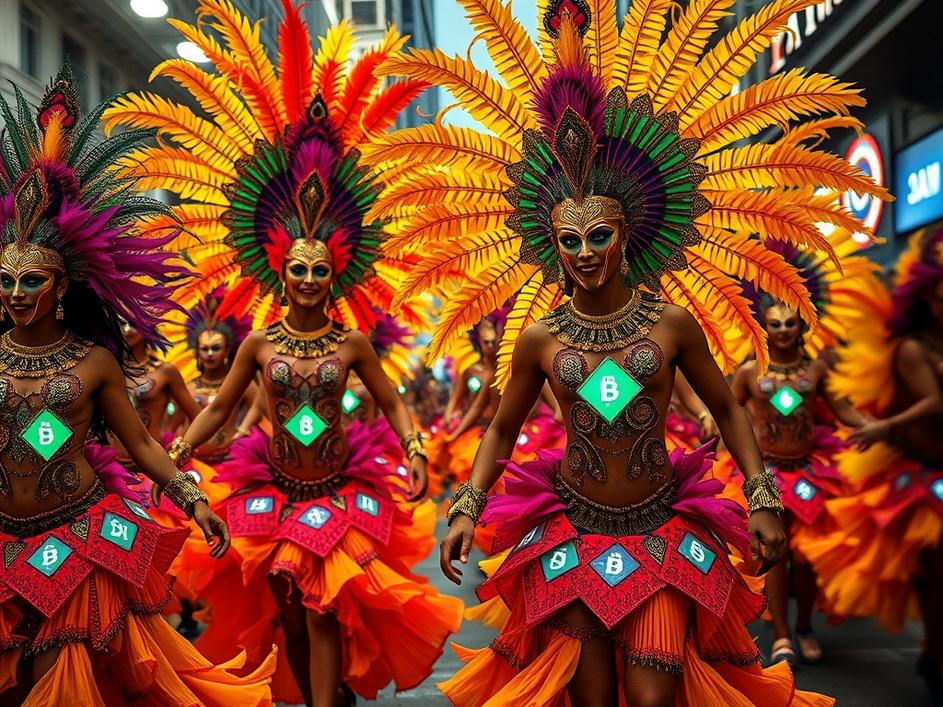
ToggleImagine the vibrant chaos of São Paulo’s Carnival, the rhythmic pulse of samba, the dazzling costumes, and now, picture this: Web3 technology woven into the heart of the celebration. That’s exactly what happened as BingX, a cryptocurrency and Web3-AI company, joined the party. It might seem like an odd pairing at first – traditional street celebrations and cutting-edge digital finance – but it signals a growing trend: the integration of cryptocurrency and blockchain technology into mainstream culture.
São Paulo’s Carnival isn’t just a street party; it’s a cultural phenomenon, a massive display of Brazilian heritage that draws millions of people from all over the globe. For BingX, it’s a huge stage to showcase their brand and connect with a diverse audience. It’s about more than just slapping a logo on a float; it’s about becoming part of the cultural fabric, associating their brand with something deeply ingrained in Brazilian identity. It’s a smart move, tapping into the energy and excitement of Carnival to create a memorable and positive brand association. The choice shows that BingX is thinking outside the box, eschewing traditional advertising routes for a more immersive and culturally relevant approach.
So, how does a Web3 company actually participate in Carnival? Details are a little scarce. The company likely engaged in activations that connected with the revelers in some fashion. It could have been sponsoring events, offering interactive experiences using blockchain technology, or even distributing promotional items related to cryptocurrency. The possibilities are pretty vast, and the specific tactics would dictate how successfully they reached and resonated with the target audience. I imagine interactive games involving crypto rewards, QR codes plastered around for quick access to information, or even artists creating digital art on the fly using blockchain technology.
BingX’s participation in Carnival is interesting for a few reasons. First, it demonstrates the growing acceptance of cryptocurrency and Web3 technologies in everyday life. It’s not just a niche interest for tech enthusiasts anymore; it’s becoming part of the mainstream conversation. Second, it highlights the importance of cultural relevance in marketing. Simply advertising a product isn’t enough; companies need to connect with consumers on a deeper level, understanding their values and interests. Third, it shows that the crypto world is looking beyond the purely financial applications of blockchain technology. They’re exploring ways to integrate it into art, entertainment, and culture, broadening its appeal and demonstrating its versatility.
Of course, there are risks involved. Associating a brand with a large public event always carries the risk of something going wrong. Public perception is fickle. If BingX’s presence was perceived as too commercial or inauthentic, it could backfire. Also, the cryptocurrency market is volatile. Any negative news or market downturn could impact the company’s reputation, regardless of their Carnival presence. However, the potential rewards are significant. By successfully integrating their brand into a cultural event like Carnival, BingX can build brand awareness, foster positive associations, and connect with a large and diverse audience. Ultimately, the success of this venture will depend on how well BingX understands the cultural context and how effectively they communicate their message. A deep understanding of the brazilian culture is key here.
BingX’s move into São Paulo’s Carnival might just be a sign of things to come. We could see more cryptocurrency companies and Web3 projects popping up at cultural events, from music festivals to art exhibitions. As these technologies become more integrated into our daily lives, it makes sense that they’d also find their way into our cultural celebrations. This trend has the potential to democratize access to art, culture, and entertainment, creating new opportunities for artists and creators. Imagine artists using NFTs to sell their work directly to fans, or musicians using blockchain technology to manage their royalties. The possibilities are endless. The key is to do it thoughtfully and respectfully, ensuring that these technologies enhance the cultural experience rather than detract from it. The potential for growth and innovation at the intersection of crypto and culture is huge, and it’s exciting to see companies like BingX exploring this frontier.
So, what’s the takeaway? Carnival in São Paulo, already a whirlwind of color and sound, just got a dose of digital energy. Whether it’s a fleeting experiment or the start of a long-term trend remains to be seen. But one thing is certain: the lines between the digital world and our physical celebrations are becoming increasingly blurred, and the future promises even more interesting and innovative integrations. As Web3 technologies continue to evolve and mature, we can expect to see them play an increasingly important role in shaping our cultural experiences. Perhaps, in the future, we’ll be celebrating Carnival with digital costumes, blockchain-based tickets, and crypto-powered street parties. The possibilities are only limited by our imagination.



Comments are closed