

We are a digital agency helping businesses develop immersive, engaging, and user-focused web, app, and software solutions.
2310 Mira Vista Ave
Montrose, CA 91020

2500+ reviews based on client feedback
What's Included?
ToggleOkay, I stumbled upon a SlideShare presentation titled “perio-nedir-chatgpt bilgisi örnek-v2.pdf,” which roughly translates to “What is Perio? ChatGPT Information Example v2.pdf.” Honestly, the title alone piqued my curiosity. What does a cutting-edge AI chatbot have to do with periodontal disease (gum disease)? It seems like a strange combination, but in today’s world, AI is finding its way into nearly every field, including healthcare. Let’s explore the potential connection.
Before we get too deep into the AI angle, let’s quickly review what periodontal disease actually is. Simply put, it’s a serious infection that damages the soft tissues and bone that support your teeth. It starts with plaque, that sticky film of bacteria that constantly forms on our teeth. If plaque isn’t removed through brushing and flossing, it can harden into tartar (calculus). Tartar then provides a rough surface that allows even more plaque to accumulate. This buildup irritates the gums, causing inflammation (gingivitis). If gingivitis isn’t treated, it can progress to periodontitis, where the gums pull away from the teeth, forming infected pockets. Over time, this can lead to bone loss and, ultimately, tooth loss. Not fun at all! Periodontal disease is linked to other health problems like heart disease, diabetes, and respiratory illness. Early detection and treatment are crucial.
So, back to ChatGPT. While I doubt the AI is performing root canals anytime soon, it has some interesting applications when it comes to periodontal disease. One of the most obvious is providing information and education. Imagine someone searching online for information about gum disease. ChatGPT could be used to answer their questions in a clear, concise, and easy-to-understand way. It could explain the causes, symptoms, treatment options, and prevention strategies. This is particularly useful for patients who might feel intimidated by medical jargon or who simply prefer to get their information online. A SlideShare presentation generated with ChatGPT could be a helpful tool for both patients and dental professionals to communicate complex information simply and effectively.
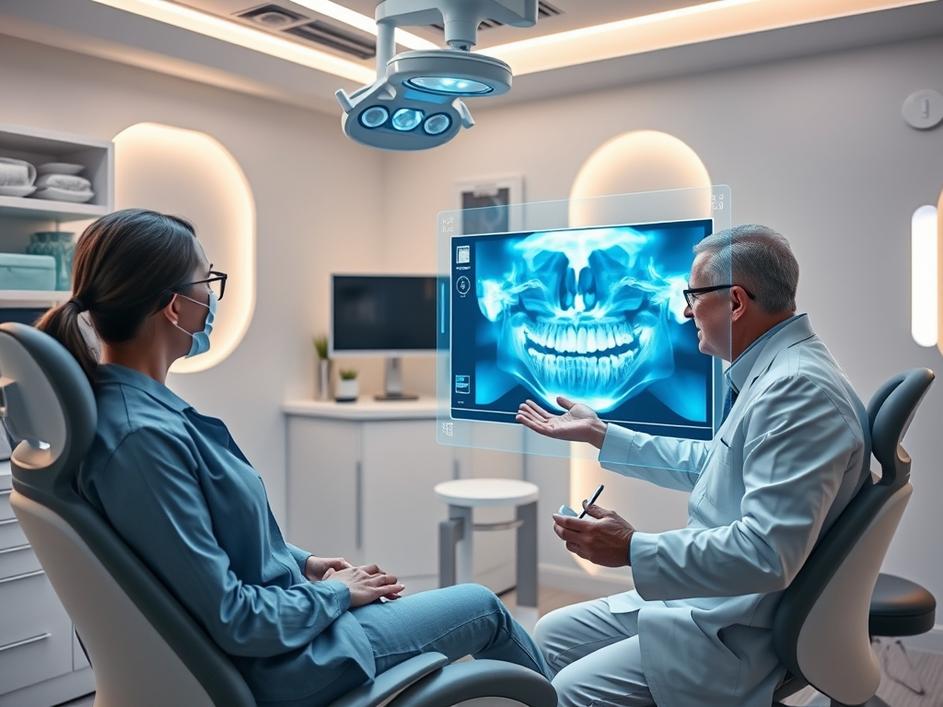
Beyond simple information, AI could potentially play a role in diagnosing and treatment planning for periodontal disease. Research is being done on using AI to analyze dental X-rays and identify early signs of bone loss or other indicators of the disease. AI algorithms could also be used to predict a patient’s risk of developing periodontal disease based on factors like their medical history, lifestyle, and oral hygiene habits. This would allow dentists to personalize treatment plans and focus on patients who are at the highest risk. And, imagine an AI system that could assist dentists in choosing the best treatment approach for a particular patient, based on their individual needs and circumstances. The possibilities are very interesting.
However, it’s important to remember that AI is just a tool. It’s not a replacement for a qualified dentist or periodontist. A human dentist can provide a hands-on examination, assess the overall health of the mouth, and build a relationship with the patient. They can also consider factors that an AI algorithm might miss, such as a patient’s anxiety level or personal preferences. The best approach is likely a combination of AI and human expertise, where AI helps to improve efficiency and accuracy, while dentists provide the personalized care and judgment that are essential for optimal oral health. We also need to be cautious about relying too much on information provided by AI. Always confirm information from online sources with a trusted healthcare professional.
Another key point is the ethical consideration of AI in healthcare. If we are using AI to diagnosis or recommend treatment, we have to consider who is responsible for the accuracy of that information, and how the data is protected. Are patients fully informed about how their information is being used, and who ultimately is held accountable if things go wrong? These are crucial considerations as AI becomes further integrated into healthcare practices.
In conclusion, while it might seem strange at first, the connection between ChatGPT and periodontal disease makes sense. AI has the potential to significantly improve how we understand, diagnose, and treat this common oral health problem. From providing accessible information to assisting with treatment planning, AI could help dentists provide better care and improve patient outcomes. However, it’s important to approach this technology with caution and to remember that the human touch still matters. The collaboration of technology and humans, with the proper ethical considerations in place, is the best path forward.



Comments are closed