

We are a digital agency helping businesses develop immersive, engaging, and user-focused web, app, and software solutions.
2310 Mira Vista Ave
Montrose, CA 91020

2500+ reviews based on client feedback
What's Included?
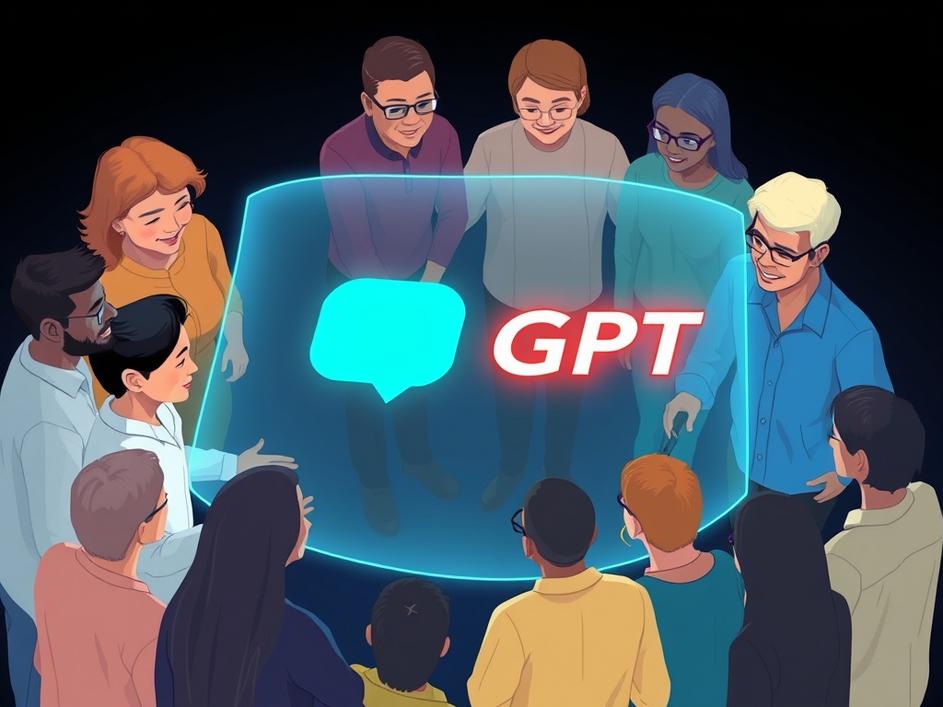
ToggleChatGPT is stepping into the group chat arena. OpenAI recently rolled out a pilot program introducing group chat capabilities to its popular AI platform. This initial test is focused on users in Japan, New Zealand, South Korea, and Taiwan, marking a significant shift towards collaborative AI interactions. Instead of just one-on-one conversations, users in these regions can now bring ChatGPT into group discussions, potentially changing how teams brainstorm, learn, and solve problems.
This move from solitary AI interaction to group settings has big implications. Imagine a study group using ChatGPT to dissect complex topics together, or a project team leveraging the AI to brainstorm ideas and refine strategies. The group chat feature allows multiple people to contribute to the conversation, ask questions, and receive insights from ChatGPT, all within a shared space. This collaborative environment could make AI assistance more accessible and integrated into daily workflows. And, the potential for diverse perspectives to shape the AI’s responses could lead to more well-rounded and nuanced outcomes, compared to individual use.
The choice to launch this pilot program in Japan, New Zealand, South Korea, and Taiwan is interesting. These are all tech-forward markets with a high adoption rate of digital technologies. Furthermore, they represent a diverse range of cultural contexts and business practices, providing OpenAI with valuable insights into how group chat features are used and adapted in different settings. Perhaps OpenAI is also looking at languages besides English to see if performance varies among different cultural communication styles. This localized approach allows OpenAI to fine-tune the feature, address potential cultural nuances, and gather feedback from a wide array of users before a wider release. Testing in diverse markets is smart. It will give OpenAI a better understanding of how their technology will be used globally.
The potential benefits of ChatGPT group chats are vast. Businesses could use it for team training, collaborative content creation, or even customer service scenarios where multiple agents need AI assistance. Educational institutions might integrate it into online learning platforms to facilitate group discussions, provide personalized feedback, and offer students immediate support. For individual users, it could become a valuable tool for planning group projects, organizing events, or simply engaging in stimulating conversations with friends. Think of it as a digital assistant that can help teams stay on track, generate fresh ideas, and make better-informed decisions. It could also be a powerful tool to help people collaborate when they’re in different locations or time zones, by giving everyone access to the same information and the same level of AI support. It has the potential to level the playing field and make it easier for people from diverse backgrounds to work together.
While the introduction of group chats in ChatGPT is exciting, there are also challenges to consider. One major concern is managing the flow of information and preventing the AI from being overwhelmed by multiple simultaneous requests. Ensuring that the AI’s responses remain relevant and coherent in a group setting will be crucial. Privacy and data security are also paramount, especially when dealing with sensitive information shared within group conversations. Furthermore, there’s the risk of misuse, such as spreading misinformation or engaging in malicious activities. OpenAI will need to implement robust moderation mechanisms and safeguards to mitigate these risks and ensure responsible use of the feature. Another thing to consider is how well the AI will handle different communication styles and personalities. It may require some fine-tuning to adapt to different group dynamics and avoid misunderstandings.
The launch of ChatGPT group chats marks a significant step towards a more collaborative and integrated AI experience. By enabling multiple users to interact with the AI simultaneously, OpenAI is unlocking new possibilities for teamwork, learning, and problem-solving. While challenges remain, the potential benefits are undeniable. As the pilot program progresses and OpenAI gathers more feedback, we can expect to see further refinements and enhancements to the group chat feature, paving the way for a future where AI is seamlessly integrated into our daily lives, fostering collaboration and empowering us to achieve more together. If this initial testing goes well, expect to see the feature rolled out in more regions soon.
This isn’t just about ChatGPT; it’s about the broader trend of AI becoming more integrated into our social and professional lives. We’re moving beyond AI as a solo tool to AI as a team member. This shift will require us to rethink how we interact with AI, how we manage data privacy, and how we ensure ethical use. As AI becomes more deeply embedded in our social fabric, it’s crucial that we have open and honest conversations about its potential impacts and how we can best harness its power for the benefit of all. This pilot program is an important step in that direction, providing valuable insights into the future of collaborative AI and its role in shaping our world.



Comments are closed