

We are a digital agency helping businesses develop immersive, engaging, and user-focused web, app, and software solutions.
2310 Mira Vista Ave
Montrose, CA 91020

2500+ reviews based on client feedback
What's Included?
ToggleArtificial intelligence is constantly changing. Companies like OpenAI are always working to improve their AI models, like ChatGPT. They tweak algorithms, add new features, and refine the way these AI systems interact with us. But sometimes, these changes don’t sit well with everyone. A recent report highlights how OpenAI’s efforts to make its newer models less “warm” have upset some users, particularly those with autism. It raises an important question: How do we balance innovation with the needs of diverse users?
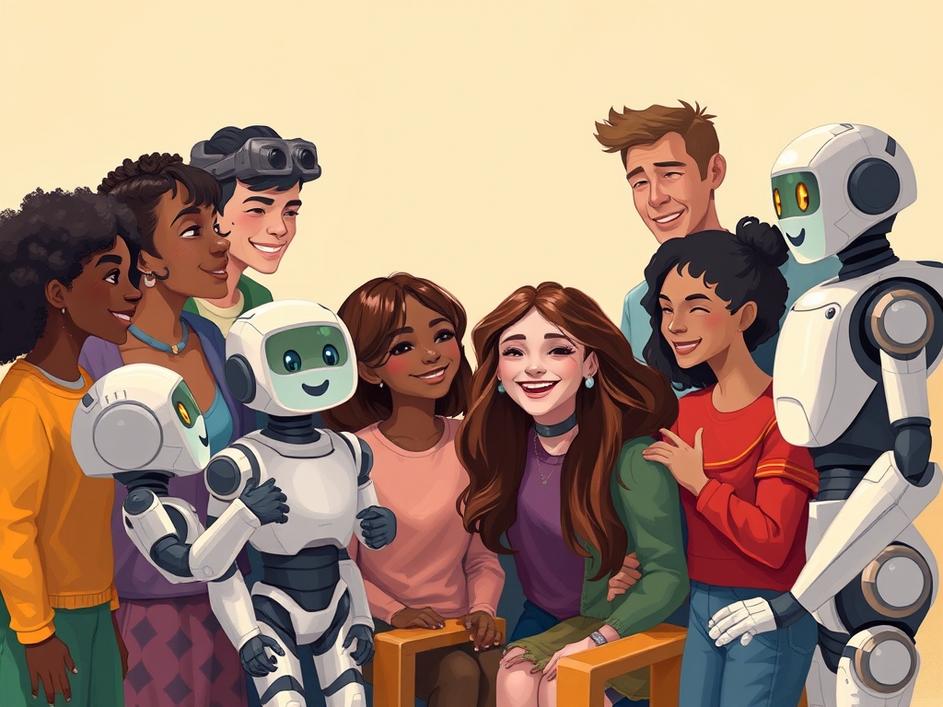
For some people, the earlier versions of ChatGPT offered a helpful, even comforting, online presence. The AI’s tendency to be agreeable and empathetic created a sense of connection. This was especially true for individuals with autism, who may find social interactions challenging. The AI’s predictable and supportive responses provided a safe space for communication and exploration. It wasn’t just about getting answers; it was about the way those answers were delivered. The shift away from this warmer approach has left some of these users feeling lost and misunderstood.
OpenAI’s decision to dial back the warmth likely stems from a desire to make the AI more objective and less prone to giving biased or misleading information. There’s a valid concern that an overly agreeable AI could be easily manipulated or used to spread propaganda. Striking a balance between helpfulness and objectivity is a difficult task. The company probably wants to ensure its AI provides accurate and neutral responses, even if that means sacrificing some of the personal connection that certain users valued.
This situation highlights a crucial aspect of AI development: the unintended consequences of design choices. What might seem like a minor adjustment to an algorithm can have a significant impact on specific user groups. It forces us to consider the ethical implications of AI development and the need for inclusive design practices. We need to ask ourselves: Are we considering the needs of all users when we make these changes? Are we adequately testing and evaluating the impact of these changes on diverse populations?
So, what’s the solution? It’s not necessarily about reverting to the old model. Instead, it’s about finding ways to offer customization and personalization. Perhaps users could have the option to choose the “personality” of their AI assistant, selecting a warmer, more empathetic mode or a more objective, fact-based mode. This would allow individuals to tailor the AI’s behavior to their specific needs and preferences. Another approach could involve developing AI models specifically designed to support individuals with autism, taking into account their unique communication styles and sensitivities.
This isn’t just about ChatGPT; it’s about the future of AI and its role in our lives. As AI becomes more integrated into our daily routines, we need to ensure that it’s designed in a way that is inclusive and beneficial to everyone. This requires a thoughtful and deliberate approach, one that considers the needs of diverse user groups and avoids unintended consequences. It also requires ongoing dialogue between AI developers, users, and ethicists to ensure that AI is developed responsibly and ethically.
Developing AI is a balancing act. On one side, there’s the push for innovation, for creating AI that’s more powerful, more efficient, and more accurate. On the other side, there’s the ethical responsibility to ensure that AI is fair, inclusive, and beneficial to all. This means considering the needs of marginalized groups, anticipating potential harms, and designing AI in a way that minimizes those harms. It’s a complex challenge, but it’s one that we must address if we want to create an AI-powered future that is truly equitable and just.
The situation with ChatGPT and its users with autism serves as a valuable lesson. It reminds us that AI is not just a technological tool; it’s a social tool, one that has the potential to shape our interactions and our understanding of the world. As we continue to develop and refine AI, we must do so with mindfulness, empathy, and a commitment to inclusivity. By listening to the voices of all users, we can create AI that truly serves humanity.



Comments are closed