

We are a digital agency helping businesses develop immersive, engaging, and user-focused web, app, and software solutions.
2310 Mira Vista Ave
Montrose, CA 91020

2500+ reviews based on client feedback
What's Included?
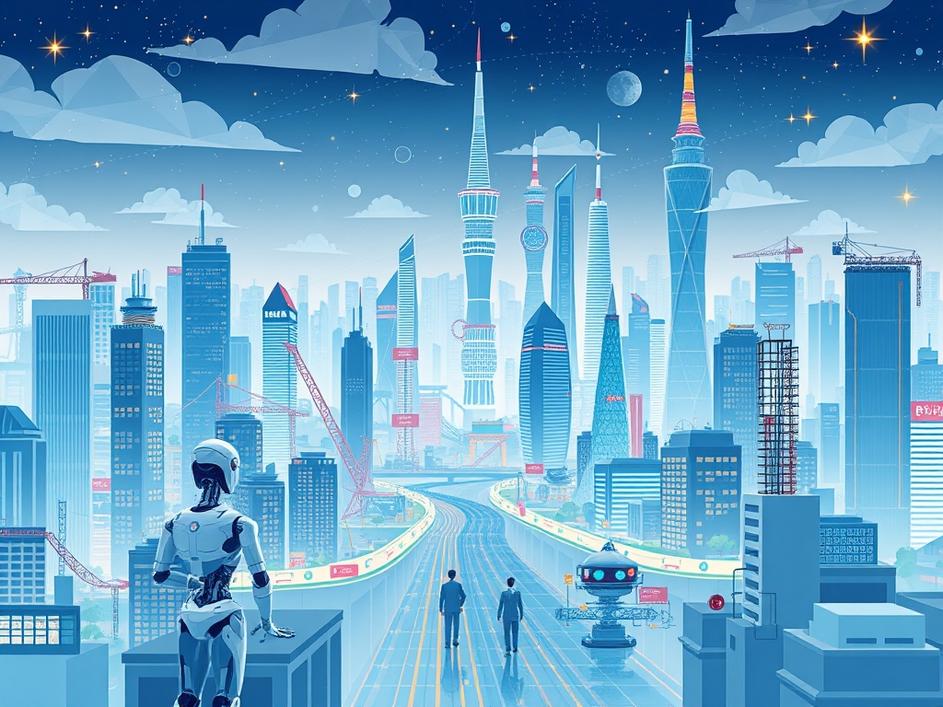
ToggleChina is making a big move to integrate artificial intelligence into its economy. The goal? To create new jobs and make existing ones better. It sounds like something out of a science fiction movie, but it’s becoming a reality. The country plans to introduce policies that will encourage the use of AI across different industries. This isn’t just about robots taking over factories; it’s about using AI to boost productivity, create new opportunities, and maybe even change the way we work and live.
The focus seems to be on more than just automating tasks to cut costs. The Chinese government sees AI as a way to upgrade industries and create entirely new sectors. Imagine AI helping doctors diagnose diseases earlier, or AI-powered systems making our cities smarter and more efficient. That’s the kind of vision they’re aiming for. It is anticipated that it could lead to a surge in demand for skilled workers who can develop, implement, and maintain these AI systems. While some jobs might become obsolete, many new ones will emerge.
Of course, it’s not going to be a smooth ride. There are challenges. One of the biggest is ensuring that people have the skills they need to work alongside AI. That means investing in education and training programs to prepare the workforce for the future. There’s also the ethical question of how AI is used. How do we make sure AI systems are fair and don’t discriminate against certain groups? These are questions that need to be addressed to ensure that the AI revolution benefits everyone.
China’s push into AI also has implications for the global economy. The country is already a major player in technology, and its investment in AI could give it an even bigger edge. This could lead to a race between countries to develop the best AI technologies and attract the most talented AI researchers. It will be interesting to see how this competition plays out and what impact it has on innovation and economic growth around the world. It’s not just about who has the best technology, but also about who can best integrate AI into their society and economy.
What is the grand strategy here? China seems to be positioning itself not just as a manufacturing powerhouse, but as a leader in cutting-edge technology. This move towards AI is a key part of that strategy. By embracing AI, China hopes to drive economic growth, improve the lives of its citizens, and increase its influence on the world stage. This isn’t just about technology; it’s about power, influence, and shaping the future.
But there are potential downsides. Job displacement is a real concern. If AI automates many tasks, what happens to the workers who used to do those jobs? The answer likely lies in retraining and creating new opportunities. Perhaps there will be a focus on jobs that require uniquely human skills like creativity, critical thinking, and emotional intelligence. It’s also important to consider the potential for bias in AI systems. If the data used to train AI reflects existing societal biases, the AI will perpetuate those biases. Steps must be taken to ensure fairness and prevent discrimination.
This move also signals a shift in how we view technology. It’s not just about making things faster or cheaper; it’s about creating entirely new possibilities. AI can help us solve some of the world’s most pressing problems, from climate change to disease. But it also requires careful planning and consideration of the ethical implications. We need to think about how AI will impact our society and how we can ensure that it benefits everyone, not just a select few.
In conclusion, China’s push to leverage AI is a bold move with the potential to reshape its economy and society. It’s a complex undertaking with many challenges and opportunities. The success of this endeavor will depend on careful planning, investment in education, and a commitment to ethical principles. The world will be watching closely to see how this AI revolution unfolds and what lessons can be learned. It’s a glimpse into a future where AI is not just a tool, but an integral part of our lives.

Comments are closed