

We are a digital agency helping businesses develop immersive, engaging, and user-focused web, app, and software solutions.
2310 Mira Vista Ave
Montrose, CA 91020

2500+ reviews based on client feedback
What's Included?
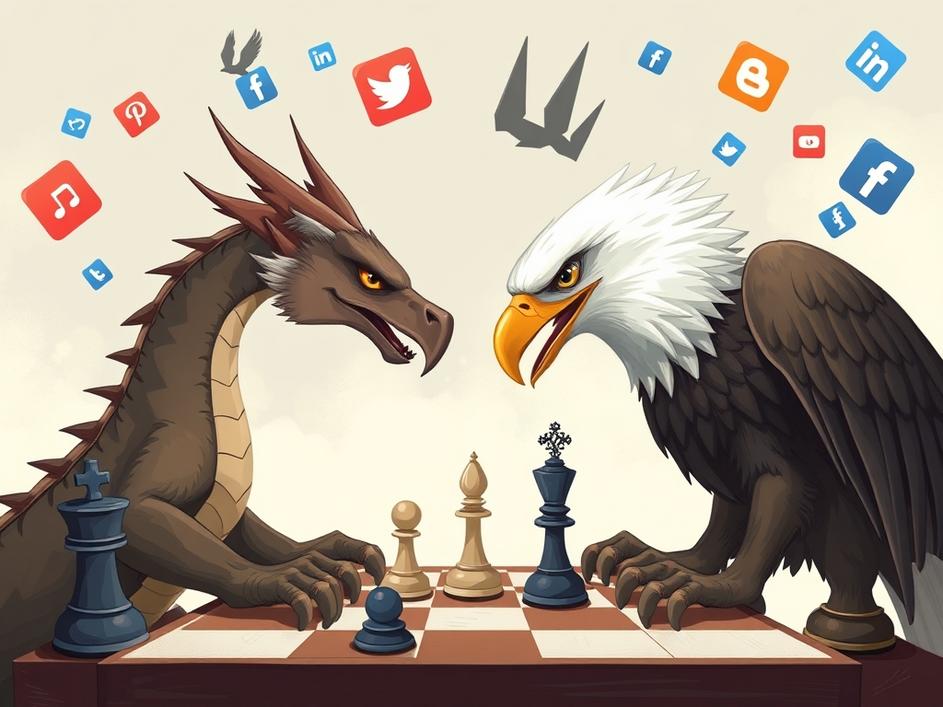
ToggleIn today’s interconnected world, the battle for hearts and minds is fought not just on traditional battlefields, but also in the digital realm. China’s state media has recognized this shift and is aggressively adapting its strategies to influence global narratives. They’re not just putting out news; they’re crafting stories designed to resonate with audiences worldwide, often using cutting-edge technology like artificial intelligence and deploying them on social media platforms. This represents a significant evolution in how nations communicate and attempt to shape perceptions on a global scale.
Social media has become a primary tool for China’s state media. Platforms like Twitter, Facebook, and YouTube, while often restricted within China itself, are actively used to disseminate content to international audiences. This content ranges from straightforward news reports to more subtle forms of propaganda, including viral videos and memes designed to paint a particular picture of China and its role in the world. The strategy isn’t just about presenting China in a positive light; it also involves challenging and undermining alternative viewpoints.
One particularly notable tactic is the use of AI to create content that directly mocks the United States and its leaders. The use of AI-generated animation to create satirical or critical narratives. This approach allows China’s state media to engage in a form of digital satire, potentially influencing public opinion through humor and visual storytelling. This strategy allows them to bypass traditional forms of reporting and connect with audiences on a more emotional level. It also allows for plausible deniability as the content is technically “art.”
While the use of humor and satire might seem lighthearted, the underlying message is often far more serious. These campaigns frequently aim to undermine trust in American institutions, question the effectiveness of U.S. foreign policy, and promote China’s alternative vision for global governance. By subtly eroding confidence in the U.S., China hopes to create space for its own narrative to take hold. This approach is designed to sow seeds of doubt and encourage critical thinking about the dominant Western perspective.
The increasing sophistication of digital propaganda raises serious concerns about misinformation and manipulation. AI-generated content, in particular, can be incredibly convincing, making it difficult for viewers to distinguish between fact and fiction. The sheer volume of content being produced and disseminated makes it challenging to counter these narratives effectively. There’s a real risk that these efforts could contribute to increased polarization and distrust, both within and between nations.
So, what can be done to address the challenge of digital propaganda? First, media literacy is crucial. Individuals need to be equipped with the skills to critically evaluate information and identify potential biases. Second, social media platforms have a responsibility to be more transparent about the sources of content and to actively combat the spread of misinformation. And third, democratic nations need to invest in their own public diplomacy efforts, promoting accurate and balanced information about their values and policies.
Ultimately, the fight against digital propaganda is a fight for truth and transparency. It requires a collective effort from individuals, media organizations, and governments to promote critical thinking, combat misinformation, and ensure that diverse perspectives are heard. The world must be aware of the subtle ways in which narratives are being shaped and be prepared to engage with information in a thoughtful and discerning manner. Only then can we hope to navigate the complexities of the digital age and make informed decisions about the future.



Comments are closed