

We are a digital agency helping businesses develop immersive, engaging, and user-focused web, app, and software solutions.
2310 Mira Vista Ave
Montrose, CA 91020

2500+ reviews based on client feedback
What's Included?
ToggleThe tech world is currently witnessing an explosion of AI “neolabs,” a term that reflects the surge in AI-focused startups and research centers. These entities are attracting massive investments, fueled by the promise of artificial intelligence to reshape industries and solve complex problems. This trend signifies a significant shift in how AI research and development are structured, moving away from traditional academic settings and into more agile, commercially-driven environments. The focus is on tangible results and practical applications, pushing the boundaries of what AI can achieve in the real world.
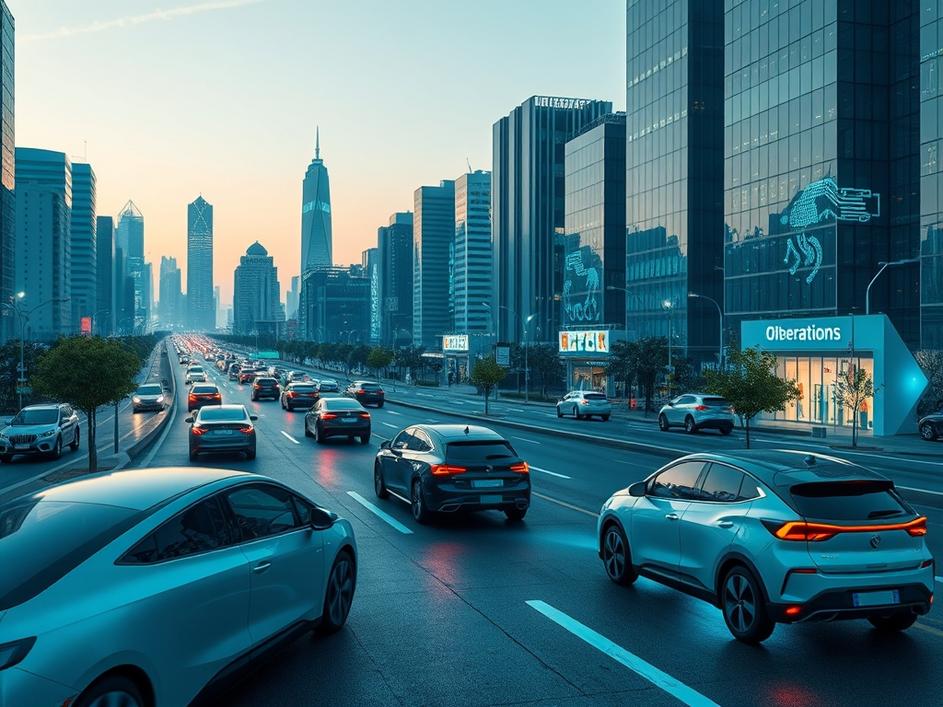
While AI neolabs are making waves, China’s electric vehicle (EV) industry continues its impressive ascent. Chinese EV manufacturers are not only dominating their domestic market but are also rapidly expanding their global footprint. This success is driven by a combination of government support, technological innovation, and a focus on affordability. Chinese EVs are becoming increasingly competitive in terms of range, performance, and features, posing a significant challenge to established automakers in Europe, North America, and Asia. The rapid growth of China’s EV industry is reshaping the automotive landscape and accelerating the transition to sustainable transportation.
Interestingly, the rise of AI neolabs and the success of China’s EV industry are not entirely separate phenomena. AI is playing an increasingly crucial role in the development of advanced driver-assistance systems (ADAS) and autonomous driving technologies, which are becoming standard features in modern EVs. Chinese EV manufacturers are actively integrating AI into their vehicles, enhancing safety, efficiency, and user experience. Furthermore, AI is being used to optimize battery performance, improve charging infrastructure, and manage energy consumption, contributing to the overall sustainability of EVs. This symbiotic relationship between AI and EVs is driving innovation and shaping the future of transportation.
While the hype surrounding AI and EVs is undeniable, it’s important to consider the real-world applications and challenges associated with these technologies. AI neolabs face the challenge of translating research breakthroughs into viable products and services that can generate revenue and create value for customers. This requires a focus on practical problem-solving, effective collaboration between researchers and engineers, and a deep understanding of market needs. Similarly, the EV industry faces challenges related to battery technology, charging infrastructure, and supply chain sustainability. Overcoming these challenges will be crucial for realizing the full potential of AI and EVs and ensuring their long-term success.
As AI neolabs continue to emerge and China’s EV industry expands, it’s essential to maintain a balanced perspective on the future of technology. While AI and EVs hold immense promise for solving some of the world’s most pressing challenges, it’s also important to consider the potential risks and unintended consequences associated with these technologies. Issues such as job displacement, algorithmic bias, and data privacy need to be addressed proactively to ensure that AI and EVs are used responsibly and ethically. By fostering open dialogue, promoting collaboration, and prioritizing human well-being, we can harness the power of technology to create a more sustainable and equitable future for all.
The concurrent rise of AI neolabs and China’s dominance in the EV market signifies a shifting landscape in global tech leadership. It’s no longer a one-horse race; multiple players are vying for supremacy in key technological sectors. The US still holds significant ground in AI research and development, but China is rapidly catching up, especially in practical applications and deployment. In the EV sector, China has taken a clear lead, benefiting from strong government support and a vast domestic market. This competition fosters innovation, pushing companies to constantly improve and adapt. However, it also raises concerns about technological decoupling and the potential for geopolitical tensions.
With the rapid advancement of both AI and EV technologies, ethical considerations become paramount. In AI, issues like algorithmic bias, data privacy, and autonomous decision-making need careful attention. Ensuring fairness, transparency, and accountability in AI systems is crucial to prevent discriminatory outcomes and maintain public trust. In the EV sector, ethical sourcing of battery materials, responsible disposal of batteries, and minimizing the environmental impact of manufacturing processes are key concerns. Companies and governments must prioritize ethical practices to ensure that these technologies contribute to a sustainable and equitable future.
The convergence of AI and EVs points towards a future where transportation is not only electric but also intelligent, connected, and autonomous. AI-powered navigation systems, predictive maintenance, and personalized driving experiences will become commonplace. EVs will be integrated into smart grids, helping to balance energy demand and reduce carbon emissions. The combination of these technologies has the potential to revolutionize urban mobility, reduce traffic congestion, and improve air quality. However, realizing this vision requires overcoming technical challenges, addressing ethical concerns, and fostering collaboration between industry, government, and academia.
The rapid growth of AI neolabs and the EV market presents significant investment opportunities. Venture capitalists and private equity firms are pouring capital into AI startups, seeking to capitalize on the transformative potential of AI. The EV sector is attracting massive investments in battery technology, charging infrastructure, and manufacturing facilities. This influx of capital is fueling innovation, creating jobs, and driving economic growth. However, it’s essential to conduct thorough due diligence and carefully assess the risks and rewards associated with these investments. The long-term success of AI and EVs depends on sustainable business models, sound financial management, and a focus on creating real value for customers.
The simultaneous rise of AI neolabs and China’s EV dominance represents a profound shift in the global tech landscape. These developments are reshaping industries, creating new opportunities, and presenting complex challenges. By embracing the change, fostering innovation, and prioritizing ethical considerations, we can harness the power of technology to create a more sustainable, equitable, and prosperous future for all. The journey ahead will require collaboration, adaptability, and a willingness to learn and evolve. But the potential rewards are immense, and the future is ours to shape.



Comments are closed