

We are a digital agency helping businesses develop immersive, engaging, and user-focused web, app, and software solutions.
2310 Mira Vista Ave
Montrose, CA 91020

2500+ reviews based on client feedback
What's Included?
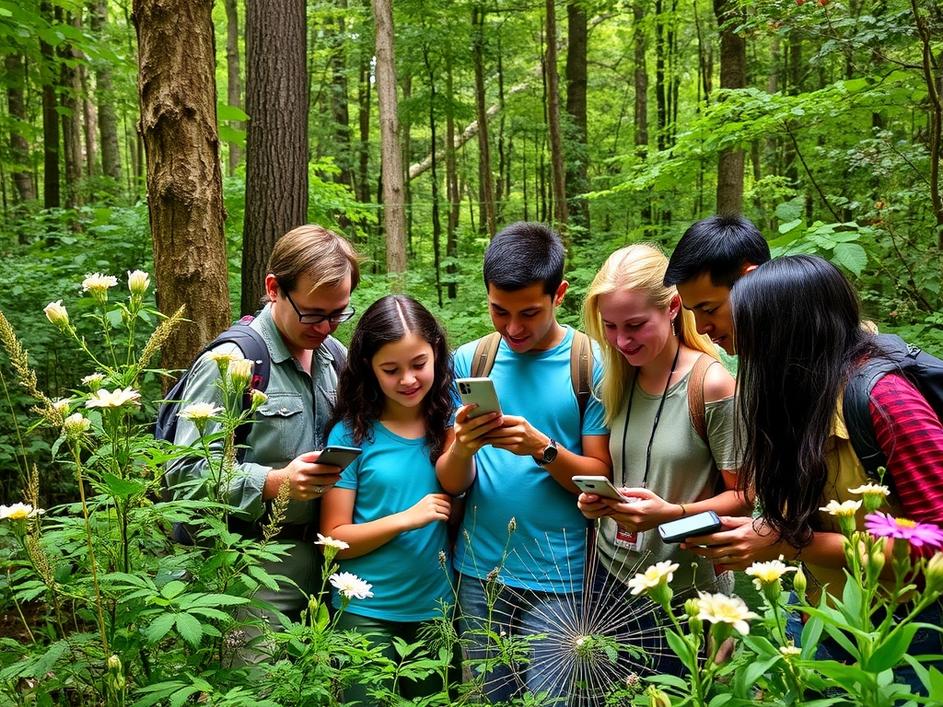
ToggleWe’ve all been there: wandering through the woods, spotting an interesting bug, or marveling at an unfamiliar flower. Curiosity piqued, we might snap a photo, maybe ask a friend, and then likely forget about it. But what if that simple photo could contribute to real scientific research? That’s the power of iNaturalist, a mobile app turning nature enthusiasts into citizen scientists.
iNaturalist is deceptively simple. Users upload photos of plants, animals, fungi – anything living that they find. The app then uses image recognition to suggest possible identifications. Other users, including experts, can weigh in, confirming or correcting those suggestions. Through this collaborative process, observations become verified research-grade data points. And this data is incredibly valuable for understanding the natural world.
The information gathered through iNaturalist provides scientists with a wealth of data on species distribution, phenology (the timing of biological events like flowering or migration), and even the impacts of climate change. Where are certain species found? When do they emerge in the spring? How are their ranges shifting over time? These are crucial questions for conservation, and iNaturalist is helping to answer them.
But iNaturalist isn’t just for scientists. It empowers anyone with a smartphone to learn more about the nature around them. It fosters a sense of connection to the local environment and encourages stewardship. By contributing to a global database of biodiversity, users become active participants in scientific discovery. And this has a powerful effect, cultivating a deeper appreciation for the natural world. It is a great way to get kids involved in nature and science, and can become a family activity. Imagine taking a hike and having the ability to learn about the different species you encounter, contributing to knowledge, and spending quality time together.
Of course, like any citizen science initiative, iNaturalist faces challenges. Ensuring data accuracy is paramount. The app relies on a community verification process, but errors can still occur. Also, accessibility is an ongoing concern. While smartphones are increasingly common, they’re not universally available. Efforts to broaden participation and provide training are essential to ensure that iNaturalist truly reflects the diversity of our planet’s biodiversity. One other concern that might arise is privacy. Location data is collected with each observation, and while users can obscure this information, there is still a risk of sensitive species locations being revealed to the public. Steps must be taken to mitigate this risk, such as automatically obscuring the location of threatened or endangered species.
iNaturalist represents a significant shift in how we study and understand the natural world. It demonstrates the power of collaboration, bringing together scientists, educators, and everyday citizens in a common goal. By harnessing the collective knowledge and enthusiasm of a global community, we can gain a more complete picture of our planet’s biodiversity and work towards its protection. The success of iNaturalist also highlights the importance of open data and accessible tools. By making scientific data freely available, researchers can build upon each other’s work and accelerate the pace of discovery.
iNaturalist is more than just an app; it’s a call to action. It’s an invitation to explore the world around us, to learn about the plants and animals that share our planet, and to contribute to a growing body of knowledge that can help us protect biodiversity for future generations. So, the next time you’re out in nature, take a photo, upload it to iNaturalist, and become part of the citizen science revolution. You might be surprised at what you discover.
iNaturalist provides a fascinating glimpse into the potential of citizen science. As technology continues to evolve and become more accessible, we can expect to see even more innovative ways for people to contribute to scientific research. By empowering individuals to participate in data collection and analysis, we can accelerate the pace of discovery and create a more sustainable future for all. The app is a simple, elegant solution that addresses a complex problem. It empowers individuals, creates community, and helps to preserve our shared home.


Comments are closed