

We are a digital agency helping businesses develop immersive, engaging, and user-focused web, app, and software solutions.
2310 Mira Vista Ave
Montrose, CA 91020

2500+ reviews based on client feedback
What's Included?
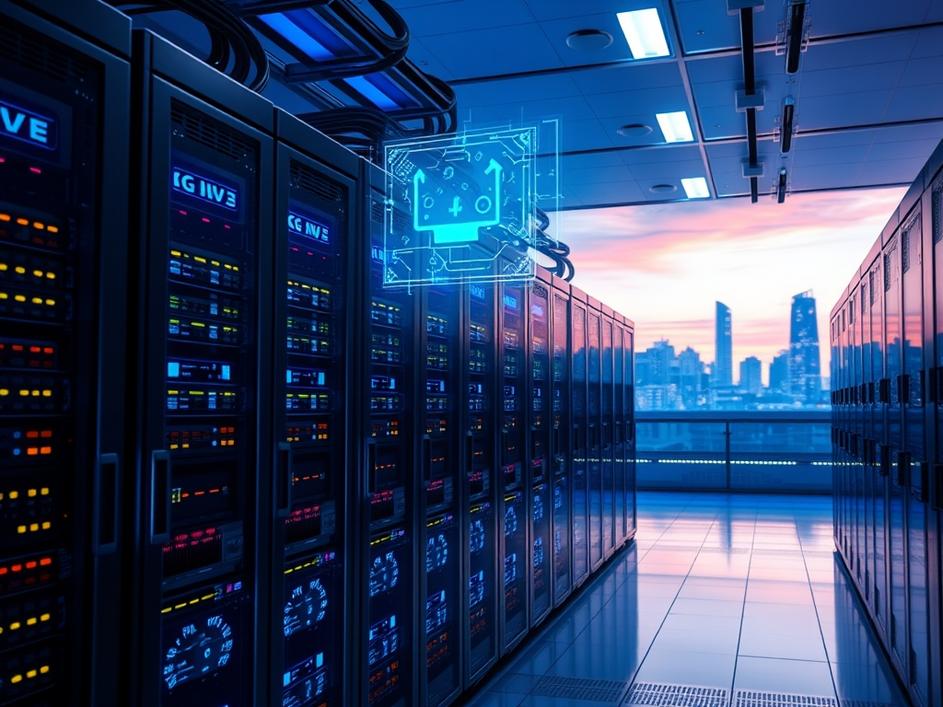
ToggleCloud service providers plan a big lift in spending. Capex could rise by about 90 percent. The push is not just talk. It aims at readying for AI at scale. At the same time, shipments of AI focused servers are expected to grow about 31 percent in 2026. That combination makes data centers feel like AI farms. Compute power becomes the main bottleneck for progress. This feels like more than a one-off rush. It looks like a structural shift. It could change supplier relationships, hardware cycles, and even cloud pricing. The numbers are big. The questions are bigger: will supply keep pace? who pays the extra costs?
Several factors push capex higher. AI workloads need powerful hardware. GPUs, fast interconnects, strong cooling, and big memory all matter. Hyperscalers are expanding data centers, not just upgrading old racks. Software stacks and model training cycles demand scale and reliability. Supply chains are finally stabilizing, helping buyers plan longer projects rather than chase quarterly demand. Enterprise AI is moving from pilots to production. That locks in longer asset lifetimes. Policy and incentives in some regions make big data-center projects more appealing. All of this nudges CSPs to commit bigger budgets now, not later.
For cloud providers, this means more than buying boxes. It means building power, cooling, and networks that scale. It means balancing capex with operating costs. It means tuning data centers for the mix of workloads. For AI server suppliers, the message is clear: demand stays strong for systems that offer scale, efficiency, and easy deployment. This could widen gaps between top performers and the rest. Efficiency becomes a competitive edge. Vendors may need modular designs, fast deployment services, and solid after-sales support to win long-term contracts. Components like accelerators and memory will likely need closer software integration to deliver predictable results.
Nothing grows forever. A 90 percent capex jump without fast throughput could push prices up or create inventory delays. If AI workloads don’t scale as quickly as hoped, some projects may stall. Geopolitical tensions, trade frictions, and talent shortages can disrupt specialized chip supply. Energy costs and local rules add more risk, especially where cooling needs are high. There’s also depreciation to watch. Will these new servers stay productive long enough to justify the upfront spend, or will software advances make some hardware redundant sooner than planned?
The push for AI servers will ripple through the ecosystem. Chipmakers like Nvidia and AMD will compete for demand. The winners may be those who combine hardware with software and services. Data center vendors, from racks to cooling to power, will play a key role. Memory and interconnect tech must keep up. Cooling innovations will get more attention as racks densify. There’s talk about edge versus core: will AI workloads move closer to users, or stay in mega centers? The answer depends on latency, privacy needs, and total cost of ownership. No matter what, the basics stay the same: heat, electricity, and data movement matter most.
Investors and operators weigh how durable this cycle is. If AI server adoption stays on track, we could see several years of steady demand. Builders stay busy and suppliers race to innovate. The upside isn’t just bigger boxes. It’s smarter, more efficient systems that run larger models with lower costs per unit. On the flip side, a fast capex push can squeeze margins if revenue growth slows or capacity hits too quickly. The strongest players will manage risk, diversify suppliers, phase deployments, and monitor energy contracts. They’ll also keep customers informed about timelines and total cost of ownership.
The capex figures tell a clear story. AI is moving from niche to core. Data centers will likely become the backbone of smarter software and better services. The wise path now is flexibility. Plan for modular upgrades. Track supply chain health. Align pricing with real workload value. If CSPs execute well, the coming years could bring not just more servers, but better servers that use less energy and waste. The pace is fast, and the potential is real. We should watch how these plans translate into real deployments, energy use, and returns for operators and customers alike.


Comments are closed