

We are a digital agency helping businesses develop immersive, engaging, and user-focused web, app, and software solutions.
2310 Mira Vista Ave
Montrose, CA 91020

2500+ reviews based on client feedback
What's Included?
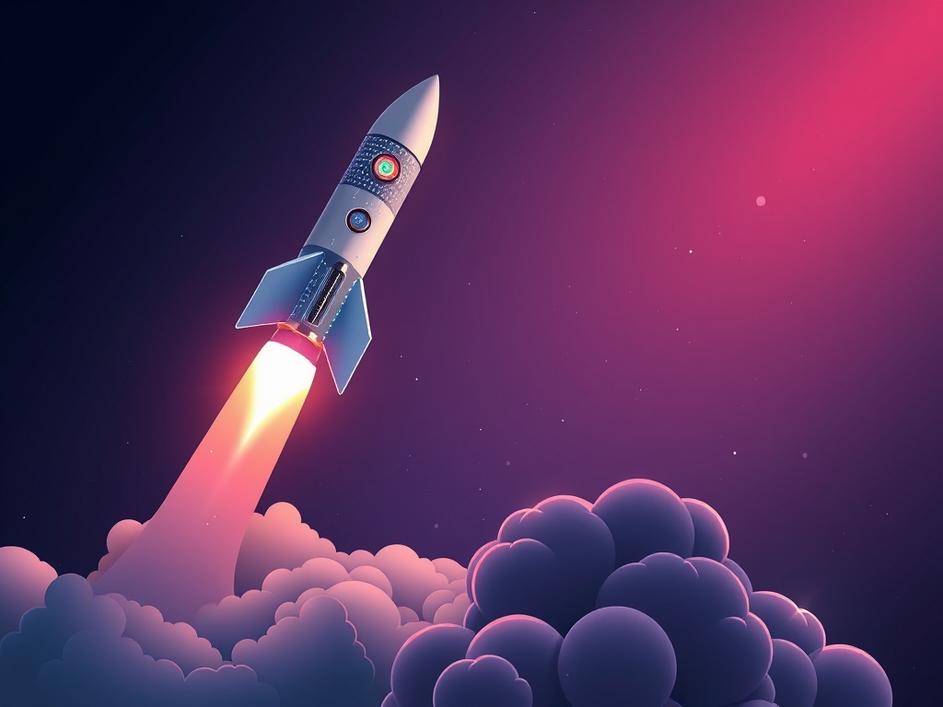
ToggleRumors are swirling, and they’re bigger than a Falcon Heavy launch. The buzz is about a potential merger between SpaceX, Elon Musk’s space exploration titan, and xAI, his artificial intelligence venture. Imagine the possibilities: rockets guided by advanced AI, space missions powered by intelligent algorithms, and maybe even robots building lunar bases. It sounds like science fiction, but with Musk at the helm, science fiction often becomes reality. This isn’t just about two companies joining forces; it’s about the potential convergence of humanity’s greatest ambitions: to explore the stars and to create truly intelligent machines.
So, why would Musk even consider merging these seemingly disparate entities? Well, think about it. Space exploration generates massive amounts of data. Analyzing that data, optimizing rocket trajectories, and even piloting spacecraft could all be dramatically improved with advanced AI. xAI, with its focus on understanding and building AI, could provide the brains for SpaceX’s brawn. Furthermore, the challenges of space – the extreme conditions, the vast distances, the need for autonomous systems – could push AI development in entirely new directions. It’s a symbiotic relationship with the potential for exponential growth.
The synergies extend beyond just data analysis and automation. Consider the development of self-sustaining colonies on other planets. AI could play a crucial role in resource management, environmental control, and even healthcare in these remote outposts. SpaceX’s expertise in building habitats and transporting materials, combined with xAI’s ability to create intelligent systems, could accelerate the process of making off-world living a reality. And let’s not forget the potential for AI-powered robots to handle dangerous or repetitive tasks, freeing up human astronauts to focus on exploration and discovery.
Of course, a merger of this magnitude wouldn’t be without its challenges. Integrating two vastly different corporate cultures, navigating regulatory hurdles, and managing the ethical implications of increasingly powerful AI are just a few of the obstacles that would need to be overcome. There’s also the question of control. Musk already juggles multiple high-profile companies. Would merging SpaceX and xAI stretch him too thin? Could this concentration of power in one individual be detrimental to innovation and competition? These are valid concerns that need to be addressed. Then there’s also the risk of over-reliance on AI. Space exploration is inherently risky, and placing too much faith in unproven AI systems could lead to catastrophic failures.
Despite the potential challenges, the idea of a SpaceX and xAI merger is undeniably exciting. It represents a bold vision for the future, one where humanity’s reach extends beyond Earth and where intelligent machines play a key role in shaping our destiny. This potential merger isn’t just about business; it’s about pushing the boundaries of what’s possible. It’s about dreaming big and daring to take the risks necessary to make those dreams a reality. While it’s still early stages and advanced talks doesn’t necessarily mean a done deal, the very notion of it speaks volumes about the ambition that drives both companies. And if the merger does happen, it could usher in a new era of space exploration and AI development.
But with great power comes great responsibility. The development and deployment of AI in space raises some serious ethical questions. Who is responsible if an AI system makes a critical error that endangers human lives or damages property? How do we ensure that AI systems are used for peaceful purposes and not for military applications? And how do we prevent bias in AI algorithms from perpetuating existing inequalities in space exploration? These are complex questions that require careful consideration and open dialogue. As we move closer to a future where AI plays an increasingly important role in space, it’s crucial that we address these ethical challenges head-on.
From an investment perspective, a combined SpaceX and xAI would be a force to be reckoned with. It would create a company with unparalleled technological capabilities and a vast potential market. However, it would also be a highly complex and risky investment. The company would be subject to intense regulatory scrutiny and would face stiff competition from established players in both the space and AI industries. Investors would need to carefully weigh the potential rewards against the significant risks before committing their capital. The potential for groundbreaking advancements and unprecedented growth is there, but so are the challenges of merging two ambitious companies at the forefront of innovation.
The potential merger of SpaceX and xAI is more than just a business deal; it’s a statement about the future. It’s a testament to the power of human ingenuity and the boundless potential of technology. Whether or not the merger ultimately happens, the very fact that it’s being considered is a sign that we are on the cusp of a new era of space exploration and AI development. The possibilities are endless, and the journey promises to be both exciting and challenging. One thing is certain: the future of humanity is inextricably linked to both space and AI, and the combination of the two could propel us to achievements we can only dream of today.



Comments are closed