

We are a digital agency helping businesses develop immersive, engaging, and user-focused web, app, and software solutions.
2310 Mira Vista Ave
Montrose, CA 91020

2500+ reviews based on client feedback
What's Included?
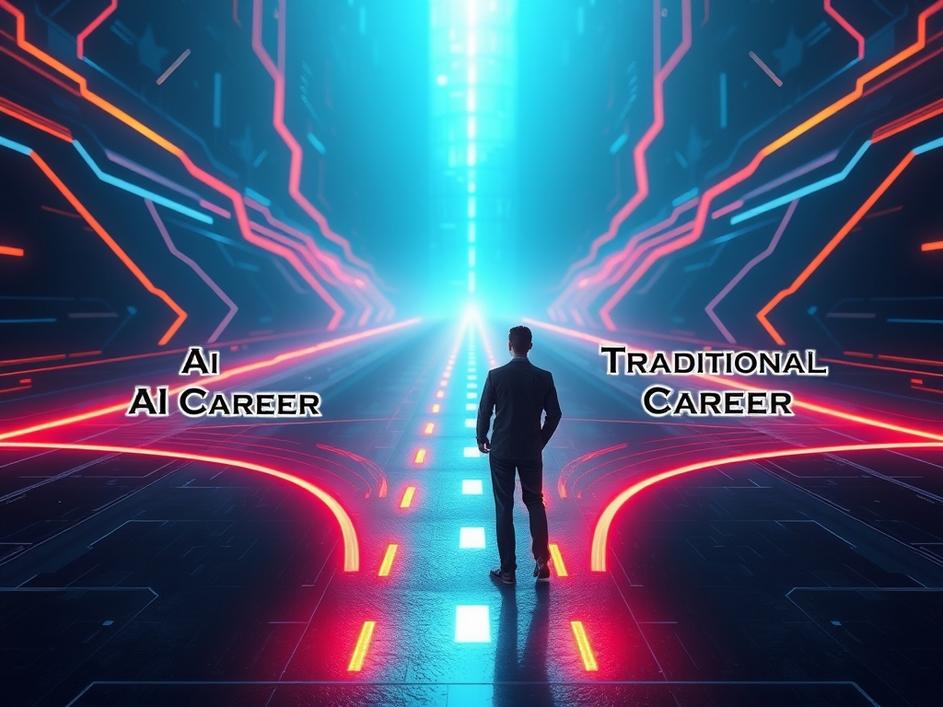
ToggleArtificial intelligence. It’s the buzzword of the decade, dominating headlines and reshaping industries. You see the potential, the exciting projects, and the impressive salaries, and maybe you’re wondering: is it too late to get in on the action? The good news is, the AI field is still evolving, and there’s plenty of room for newcomers, even if you don’t have a traditional computer science background.
One of the biggest misconceptions about AI is that you need to be a math whiz or a coding prodigy to contribute. While strong technical skills are valuable, many roles in AI demand different skill sets. Think about project management, data analysis, communication, and even ethics. These are all crucial aspects of developing and deploying AI systems, and they often get overlooked.
So, what skills *should* you focus on? Well, that depends on the kind of AI job you want. But generally, a solid understanding of machine learning concepts is a good starting point. You don’t need to be able to write algorithms from scratch, but you should understand how they work and what they’re used for. Familiarity with programming languages like Python is helpful, as are skills in data visualization and statistical analysis. Beyond the technical, critical thinking, problem-solving, and communication skills are essential for any role.
The AI landscape is vast and varied. There are roles in research, development, deployment, and even the ethical considerations of AI. Do you enjoy digging into data and uncovering insights? Maybe a role as a data scientist or machine learning engineer is a good fit. Are you passionate about ensuring AI is used responsibly and ethically? Consider a role in AI ethics or policy. The key is to identify your strengths and interests and find a niche where you can make a meaningful contribution.
Breaking into any new field requires networking, and AI is no different. Attend industry events, join online communities, and connect with people who are already working in AI. Don’t be afraid to reach out to people for informational interviews. Most people are happy to share their experiences and offer advice. Networking not only helps you learn about different career paths but also increases your chances of finding job opportunities.
In the competitive AI job market, it’s not enough to just have the skills; you need to be able to demonstrate them. Building a portfolio of projects is a great way to showcase your abilities and stand out from the crowd. Contribute to open-source projects, participate in coding competitions, or create your own AI applications. Even small projects can demonstrate your passion and commitment to the field.
While a formal degree in computer science or a related field can be helpful, it’s not always necessary. There are many online courses, bootcamps, and certifications that can provide you with the skills you need to succeed in AI. Look for programs that offer hands-on experience and focus on practical applications of AI. Continuously learning and staying up-to-date with the latest advancements in AI is crucial for long-term success.
Technical skills are important, but don’t underestimate the value of soft skills. Being able to communicate complex ideas clearly and effectively is essential for collaborating with colleagues, presenting your work, and influencing decision-making. Strong communication skills can help you bridge the gap between technical experts and non-technical stakeholders, ensuring that AI projects are aligned with business goals.
Breaking into the AI field can be challenging, but it’s definitely achievable. Don’t get discouraged by rejections or setbacks. Keep learning, keep networking, and keep building your portfolio. The AI landscape is constantly evolving, so embrace the journey and be prepared to adapt and grow. The demand for AI talent is only going to increase in the coming years, so now is the perfect time to start your AI career.
It’s easy to get caught up in the hype surrounding AI, but it’s important to remember that AI is just a tool. The real value of AI lies in its ability to solve real-world problems and improve people’s lives. Seek out opportunities to work on projects that align with your values and make a positive impact on society. Whether it’s developing AI-powered healthcare solutions, creating more sustainable energy systems, or promoting social justice, AI has the potential to make the world a better place.
The AI revolution is already underway, and it’s transforming industries and creating new opportunities. By focusing on the right skills, building a strong network, and showcasing your abilities, you can position yourself for success in this exciting and rapidly growing field. It’s not about being the smartest person in the room; it’s about being curious, adaptable, and willing to learn. So, take the leap, embrace the challenge, and start your journey into the world of AI today. The future is waiting.



Comments are closed