

We are a digital agency helping businesses develop immersive, engaging, and user-focused web, app, and software solutions.
2310 Mira Vista Ave
Montrose, CA 91020

2500+ reviews based on client feedback
What's Included?
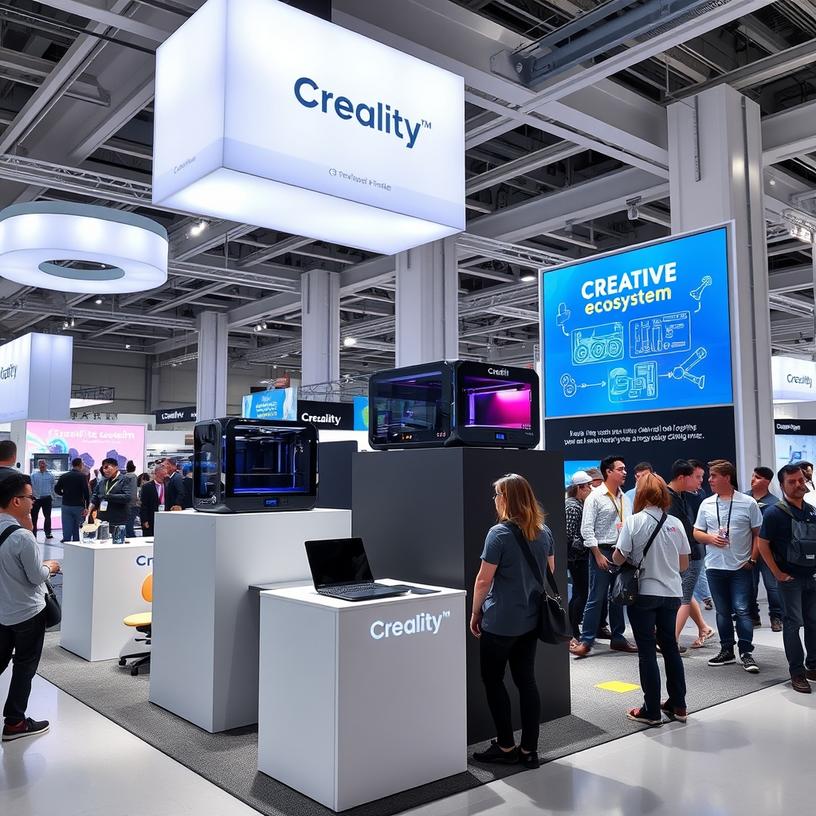
ToggleLast weekend the halls of IFA Berlin buzzed with the usual mix of gadgets, bright screens and a steady stream of tech fans. Among the sea of smartphones and smart TVs, Creality managed to pull a quiet but noticeable crowd around its booth. The Chinese 3D‑printer maker used the platform to roll out two new machines – the K3 and the SPARKX i8 – and to announce a broader push into what it calls a “creative ecosystem.” The move feels like a response to the growing demand for more integrated tools that let hobbyists and small businesses go from design to finished part without juggling a dozen separate services. It’s a clear signal that Creology wants to be more than just a hardware supplier.
The K3 is positioned as a mid‑range desktop printer that tries to balance price, size and performance. It carries a 220 × 220 mm build area, which is enough for most hobby projects but still fits on a typical desk. What sets it apart is a new magnetic bed that promises quicker changes and better adhesion, especially when printing with flexible filaments. The extruder is a direct‑drive unit that claims smoother feeding of tough materials like TPU. Creality also bundles a simple touchscreen interface and a cloud‑based slicer that can be accessed from a phone or laptop. For people who have been frustrated by flaky first‑layer adhesion, the K3 could be a welcome upgrade.
The SPARKX i8 targets a more demanding segment. It offers a larger 300 × 300 mm build plate and a higher resolution nozzle that can drop down to 0.05 mm layer height. The machine uses a closed‑loop stepper system that monitors motor position in real time, reducing the chance of missed steps during long prints. A built‑in filament dryer helps keep moisture‑sensitive materials like nylon dry, which is a nice touch for users who print functional parts. The i8 also supports dual extrusion, letting you print with a support material that dissolves in water. Creality says the printer is calibrated out of the box, so you shouldn’t need to spend hours tweaking it before the first successful print.
Beyond the hardware, Creality announced a suite of services aimed at keeping users in its ecosystem. There’s a new online marketplace where designers can sell STL files directly to Creology owners, and a subscription model that gives access to premium slicer settings, material libraries and cloud storage for print jobs. The company also promised tighter integration with popular CAD tools, so you can push a model from your design software straight to the printer with a single click. Community forums are being refreshed, and Creology is rolling out a series of free webinars that cover everything from basic printer maintenance to advanced multi‑material techniques. All of this suggests they want to become a one‑stop shop for makers, not just a hardware vendor.
From a market perspective, Creology’s moves are both defensive and ambitious. The desktop printer space has become crowded, with brands like Prusa, Anycubic and newer entrants all fighting for attention. By adding a more premium model like the SPARKX i8, Creology hopes to capture users who are ready to spend a bit more for higher quality prints. The K3, on the other hand, tries to keep the entry‑level crowd from drifting to cheaper competitors. The ecosystem angle is perhaps the most interesting part. If the marketplace and subscription services catch on, Creology could generate recurring revenue that smooths out the usual hardware‑sales cycles. It also gives them more control over the user experience, which could be a differentiator in a field where firmware updates and support can be hit or miss.
Overall, the announcements at IFA feel like a solid step forward for Creology. The K3 and SPARKX i8 address real pain points that many makers have mentioned over the years – bed adhesion, filament handling and print reliability. The added ecosystem services could make the brand stickier, especially if the marketplace attracts a decent number of designers. Whether the company can deliver on these promises remains to be seen, but the direction is clear: they want to be more than a printer manufacturer. For anyone following the 3D‑printing scene, the next few months will be worth watching as users get their hands on the new machines and start testing the ecosystem tools. If the feedback is positive, Creology might just set a new benchmark for what a modern 3D‑printing brand looks like.
Source: Original Article

Comments are closed