

We are a digital agency helping businesses develop immersive, engaging, and user-focused web, app, and software solutions.
2310 Mira Vista Ave
Montrose, CA 91020

2500+ reviews based on client feedback
What's Included?
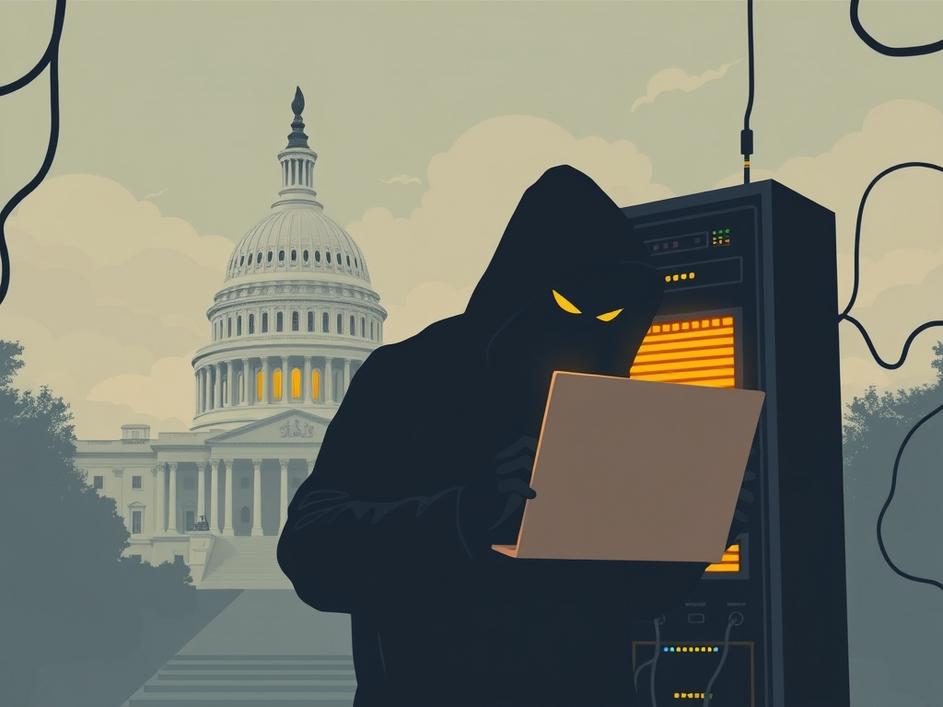
ToggleIn an era defined by digital connectivity, the specter of cyber espionage looms large, particularly when it comes to government entities. Recently, concerns have been raised regarding potential Chinese hacking of congressional emails, a situation that has prompted scrutiny and demands for accountability. The incident highlights the persistent vulnerability of even the most secure systems and the ever-present need for vigilance in the face of sophisticated cyber threats.
During a House Energy and Commerce committee hearing, Representative Gus Bilirakis directly addressed these concerns to the FCC chair, pressing for clarity on the matter. This inquiry underscores the gravity of the situation and the urgency with which lawmakers are treating these allegations. It’s not just about individual emails; it’s about the integrity of governmental communications and the potential compromise of sensitive information. The Congressman’s persistence in seeking answers is a good example of how seriously our elected officials are taking these cybersecurity risks.
While the specifics of the alleged hacking remain somewhat opaque, the implications are crystal clear. If a foreign government successfully breached congressional email systems, the potential damage could be extensive. Sensitive legislative strategies, confidential communications, and even personal information could be exposed, potentially undermining national security and eroding public trust. One of the biggest problems with issues like this is how hard it is to get accurate information. Government agencies and companies are very careful with the information they share, so it is difficult to know the full impact. The lack of transparency only increases worries.
This incident, if confirmed, would not be an isolated event. Cyberattacks, particularly those attributed to state-sponsored actors, have become increasingly common in recent years. These attacks often target critical infrastructure, government agencies, and private sector companies, seeking to steal intellectual property, disrupt operations, or sow discord. The alleged Chinese hacking of congressional emails would fit into this pattern, reinforcing the need for a comprehensive and coordinated approach to cybersecurity. It’s a constant cat-and-mouse game, with attackers always seeking new vulnerabilities and defenders working to patch them.
So, what can be done? Strengthening cybersecurity defenses requires a multi-faceted approach that encompasses technology, policy, and education. Government agencies must invest in advanced security systems, implement robust protocols, and conduct regular vulnerability assessments. Congress should pass legislation that enhances cybersecurity standards and promotes information sharing between the public and private sectors. Perhaps most importantly, individuals must be educated about the risks of phishing scams, malware, and other cyber threats. Personal responsibility is key to collective security. This isn’t just the IT department’s problem; it’s everyone’s problem. Training programs can help employees identify suspicious emails and avoid falling victim to social engineering attacks. By fostering a culture of cybersecurity awareness, organizations can significantly reduce their risk of falling victim to cyberattacks.
The allegations of Chinese hacking also carry significant geopolitical implications. Accusations of state-sponsored cyber espionage can strain diplomatic relations and escalate tensions between countries. Governments must strike a delicate balance between holding perpetrators accountable and avoiding actions that could lead to further conflict. The United States, in particular, faces the challenge of deterring cyberattacks without resorting to retaliatory measures that could trigger a wider cyber war. Diplomacy and international cooperation are essential tools for addressing this complex issue.
The FCC, as the regulatory body overseeing communications infrastructure, plays a crucial role in ensuring cybersecurity. The agency can establish standards for network security, promote the adoption of best practices, and investigate potential breaches. The FCC’s involvement in this matter underscores the interconnectedness of cybersecurity and communications policy. Strong leadership at the FCC is essential for safeguarding the nation’s digital infrastructure. It’s not just about regulating television and radio anymore; the FCC has a vital role to play in protecting our digital assets.
Ultimately, addressing the alleged Chinese hacking of congressional emails requires transparency and accountability. The American public deserves to know the extent of the breach, the measures being taken to mitigate the damage, and the steps being implemented to prevent future attacks. Congress must conduct a thorough investigation and hold those responsible accountable. Only through transparency and accountability can public trust be restored and the integrity of government communications be protected.
The potential hacking of congressional emails serves as a wake-up call, reminding us of the ever-present threat of cyber espionage. In an increasingly interconnected world, cybersecurity must be a top priority for governments, businesses, and individuals alike. By investing in robust security systems, promoting cybersecurity awareness, and fostering international cooperation, we can mitigate the risks and protect our digital assets from those who seek to do us harm. The time to act is now, before the next cyberattack strikes.
The situation highlights a crucial point: cybersecurity is not a problem that can be solved once and for all. It’s an ongoing battle, a constant arms race between attackers and defenders. We must remain vigilant, adapt to new threats, and continuously improve our defenses. The security of our government, our economy, and our society depends on it.



Comments are closed