

We are a digital agency helping businesses develop immersive, engaging, and user-focused web, app, and software solutions.
2310 Mira Vista Ave
Montrose, CA 91020

2500+ reviews based on client feedback
What's Included?
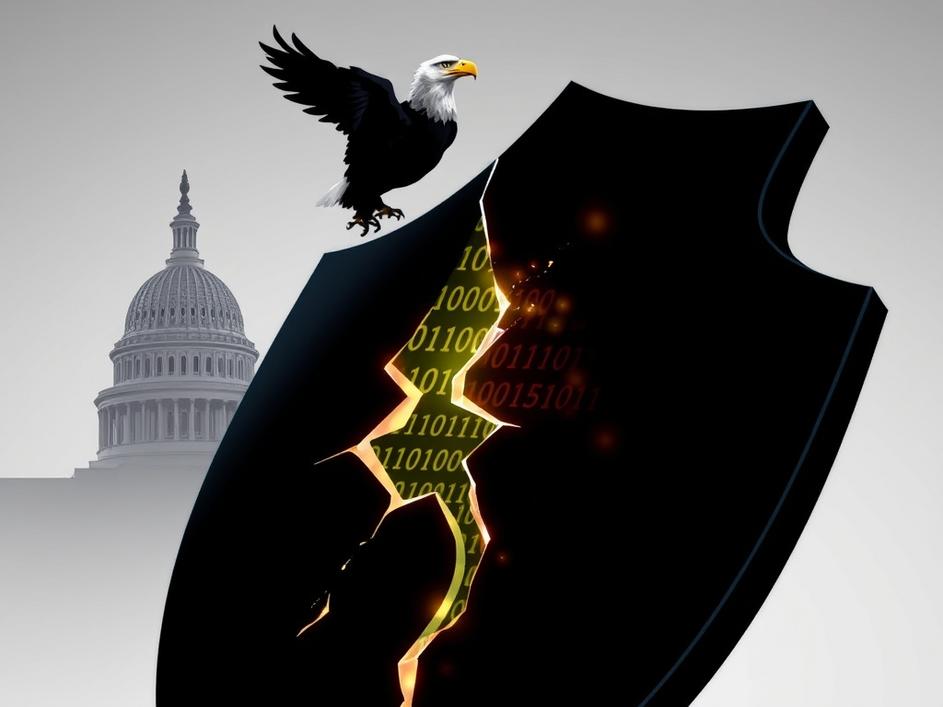
ToggleRepresentative Jasmine Crockett recently voiced strong concerns about the cybersecurity practices during the Trump administration. Speaking at a House Judiciary Committee hearing, the Texas Democrat didn’t hold back, criticizing what she sees as a severe lack of attention to crucial digital defenses. Her remarks highlight an ongoing debate about how seriously different administrations have taken the growing threat of cyberattacks and data breaches.
The world is more connected than ever, and with that connectivity comes risk. Cyberattacks are becoming more frequent and sophisticated, targeting everything from government agencies to private businesses and individual citizens. These attacks can disrupt critical infrastructure, steal sensitive information, and cost billions of dollars. Because of this, strong cybersecurity is not just a good idea – it’s a national security imperative.
While details from the hearing are still emerging, Crockett’s main argument centers on the idea that the Trump administration didn’t prioritize cybersecurity enough. This could mean several things, including underfunding cybersecurity agencies, failing to implement strong security policies, or simply not taking the threat seriously enough at the highest levels of government. If these claims are accurate, it could have left the U.S. vulnerable to attacks from both state-sponsored actors and criminal organizations.
To understand Crockett’s criticism, it’s important to look at the Trump administration’s actual record on cybersecurity. There were some notable steps taken, such as the creation of the Cybersecurity and Infrastructure Security Agency (CISA) within the Department of Homeland Security. CISA plays a key role in protecting critical infrastructure and coordinating cybersecurity efforts across the government. However, critics point to other areas where the administration may have fallen short. For example, some argue that the administration’s focus on deregulation may have weakened cybersecurity standards in certain industries. There were also concerns about political interference in cybersecurity matters, which could have undermined the credibility and effectiveness of government agencies.
It’s easy to think of cybersecurity as a technical issue that only affects governments and big corporations. But the truth is that everyone is vulnerable to cyber threats. From identity theft to ransomware attacks, the consequences of poor cybersecurity can be devastating for individuals and families. That’s why it’s so important for policymakers to take this issue seriously and invest in strong defenses. And it’s also why individual citizens need to be aware of the risks and take steps to protect themselves online.
One of the key questions raised by Crockett’s criticism is whether the Trump administration allocated enough resources to cybersecurity. Cybersecurity is a constantly evolving field, and it requires ongoing investment in new technologies and skilled personnel. If the government isn’t willing to make that investment, it will inevitably fall behind. Moreover, it’s not just about money. It’s also about prioritizing cybersecurity at the highest levels of government. If cybersecurity isn’t seen as a top priority, it’s likely to be neglected in favor of other issues.
It’s important to acknowledge the political dimension of this debate. Cybersecurity is often a partisan issue, with Democrats and Republicans disagreeing about the best approach to protecting the country. Crockett’s criticism of the Trump administration is likely to be seen by some as politically motivated. However, that doesn’t necessarily mean that her concerns are invalid. Regardless of political affiliation, it’s crucial to have an open and honest discussion about cybersecurity and how to best protect the nation from attack.
So, what needs to be done to improve cybersecurity in the United States? First and foremost, the government needs to make cybersecurity a top priority, both in terms of resources and attention. This means investing in new technologies, hiring skilled personnel, and implementing strong security policies. It also means fostering greater cooperation between the government, the private sector, and individual citizens. Cybersecurity is a shared responsibility, and everyone needs to play a role in protecting the nation from attack. It is vital to have complete transparency when discussing breaches and near misses so that our infrastructure can be prepared for future attacks. With so much of our infrastructure being privatized, the role of governmental oversight is as important as ever.
Ultimately, Crockett’s remarks serve as a reminder that cybersecurity is not just a technical issue, but a matter of accountability and oversight. The government has a responsibility to protect its citizens from cyber threats, and it needs to be held accountable if it fails to do so. By shining a light on the potential shortcomings of the previous administration, Crockett is helping to ensure that cybersecurity remains a top priority for policymakers and that the U.S. is better prepared to face the challenges of the digital age. The current administration should take heed, and learn lessons from the past, whether those mistakes belong to the Trump administration or other administrations.



Comments are closed