

We are a digital agency helping businesses develop immersive, engaging, and user-focused web, app, and software solutions.
2310 Mira Vista Ave
Montrose, CA 91020

2500+ reviews based on client feedback
What's Included?
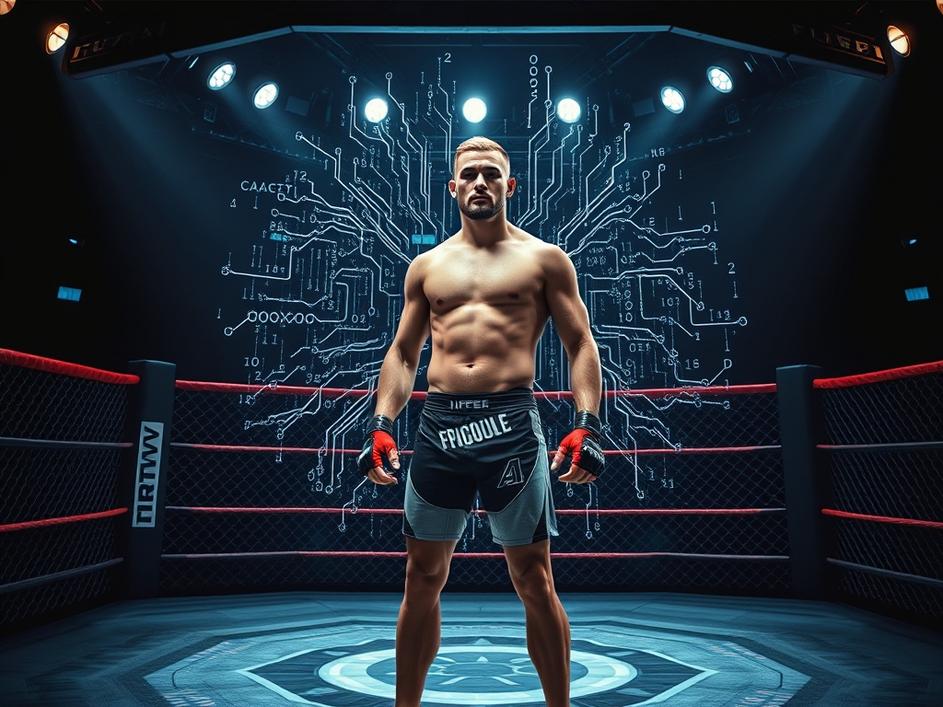
ToggleUFC’s always been about knockouts, submissions, and, well, the occasional controversy. But lately, a new contender has entered the ring: Artificial Intelligence. More specifically, AI-generated promotions popping up during UFC broadcasts. And some fans? They’re not exactly thrilled.
Dana White, never one to shy away from a fight – verbal or otherwise – has addressed the complaints. His message? Basically, chill out. He’s standing by the use of AI in promotions, suggesting that it’s part of the evolution of how the UFC markets its events and fighters. He’s asking fans to trust that the decisions being made are in the best interest of the sport and its growth. What that exactly *means*, is anyone’s guess.
So, why all the grumbling from the fanbase? Several reasons, probably. For starters, there’s the general unease many people feel about AI creeping into, well, everything. It feels a bit impersonal. Some worry it could replace human jobs. Others find it visually unappealing. Plus, there’s the argument that AI promotions often lack the authenticity and creative spark of human-made content. They might seem generic or even a bit soulless. It’s not the same as seeing a hype video cut by someone who clearly *loves* the sport, or so the argument goes.
On the other hand, you can see where the UFC is coming from. AI offers speed and efficiency. It can churn out a high volume of promotional material quickly and potentially at a lower cost than hiring a team of editors and designers. In a world where content is king and attention spans are shrinking, the ability to rapidly generate engaging promos is a valuable asset. They can also target very specific demographics with very specific ads much easier. This could lead to more fans for a specific fighter or fight card. The UFC is a business, after all, and businesses are generally in the business of making money.
Beyond the immediate reactions, there are some interesting wider implications to consider. If AI becomes a staple of UFC promotions, how will it affect the creative landscape of the sport? Will it stifle independent content creators who thrive on making their own hype videos and highlight reels? Could it lead to a homogenization of UFC’s brand, where everything starts to look and feel the same? And what about the fighters themselves? Will AI be used to create personalized content for them, and if so, how will that impact their individual brands and identities?
Ultimately, the success of AI in UFC promotions might depend on how well it’s integrated with human creativity. If the UFC can find a way to use AI as a tool to *enhance* rather than *replace* human input, it could potentially unlock new levels of engagement and excitement. But if it relies too heavily on AI at the expense of authenticity and emotional connection, it risks alienating the very fans it’s trying to reach. After all, people are drawn to the sport because of the real stories, the real rivalries, and the real human drama that unfolds in the octagon. Losing sight of that would be a bigger mistake than any miscalculated algorithm.
So, what’s the answer? Probably a bit of both. The UFC can leverage AI for certain tasks, like quickly generating social media content or personalizing ads. But it needs to be careful not to overdo it. Human creativity and authenticity still matter. Fans crave genuine connections with the fighters and the sport itself. The UFC needs to ensure that AI enhances, rather than detracts from, those connections. Maybe it is about trusting the process, and seeing where this new technology takes the sport. But maybe it is about making sure that the human element is not lost in the pursuit of efficiency and profit. Striking that balance will be the key to winning this particular fight. It will be interesting to see what changes, if any, are made over the next few months.
The debate surrounding AI promotions in the UFC reflects a broader conversation happening across many industries. How do we balance the benefits of automation with the importance of human creativity and connection? There’s no easy answer, and the path forward will likely involve a lot of trial and error. But one thing is clear: the future of fight promotion – and perhaps the future of content creation in general – will be shaped by how we choose to integrate AI into our lives.



Comments are closed