

We are a digital agency helping businesses develop immersive, engaging, and user-focused web, app, and software solutions.
2310 Mira Vista Ave
Montrose, CA 91020

2500+ reviews based on client feedback
What's Included?
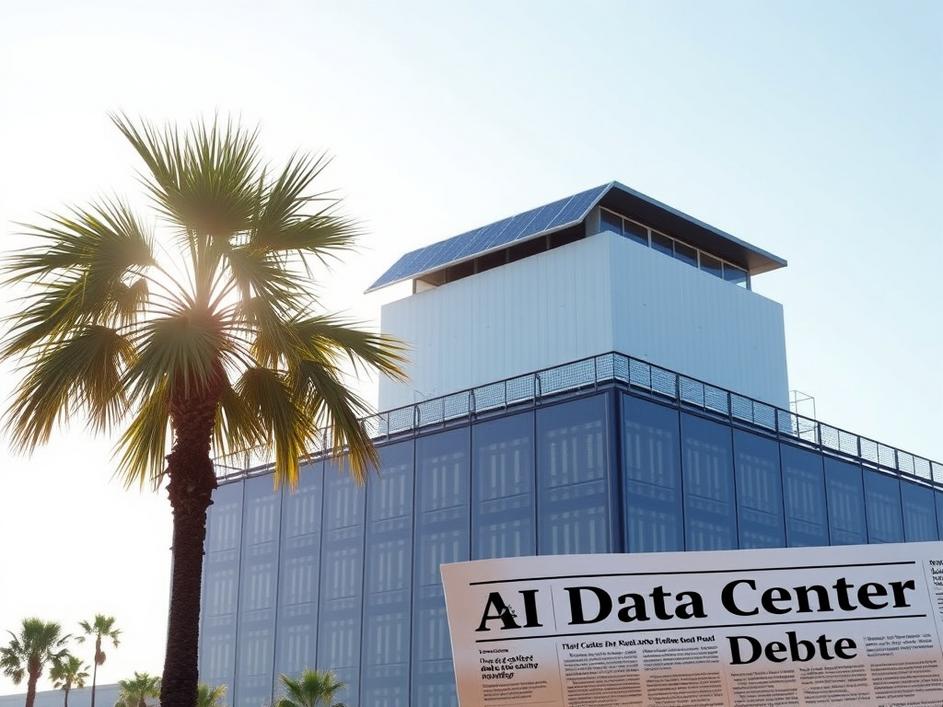
ToggleNew data has surfaced indicating a growing trend of local communities pushing back against the construction of data centers. In 2025 alone, at least 48 proposed projects faced significant roadblocks, or were outright rejected, due to opposition from residents and local groups. This resistance highlights a complex tension between the increasing demand for data infrastructure and the concerns of communities where these facilities are planned.
The reasons behind the opposition are varied and often deeply rooted in local concerns. One major factor is noise pollution. Data centers require extensive cooling systems to prevent overheating, and these systems, especially large-scale HVAC units, can generate significant noise that disrupts the peace and quiet of nearby neighborhoods. Residents worry about the constant hum affecting their quality of life, property values, and overall well-being.
Environmental impact is another critical area of concern. Data centers consume vast amounts of electricity, often drawing power from local grids that rely on fossil fuels. This raises concerns about increased carbon emissions and the contribution to climate change. Water usage is also a significant issue. Many cooling systems require substantial quantities of water, which can strain local water resources, particularly in areas already facing water scarcity. The potential for chemical leaks or spills from cooling systems adds another layer of environmental risk.
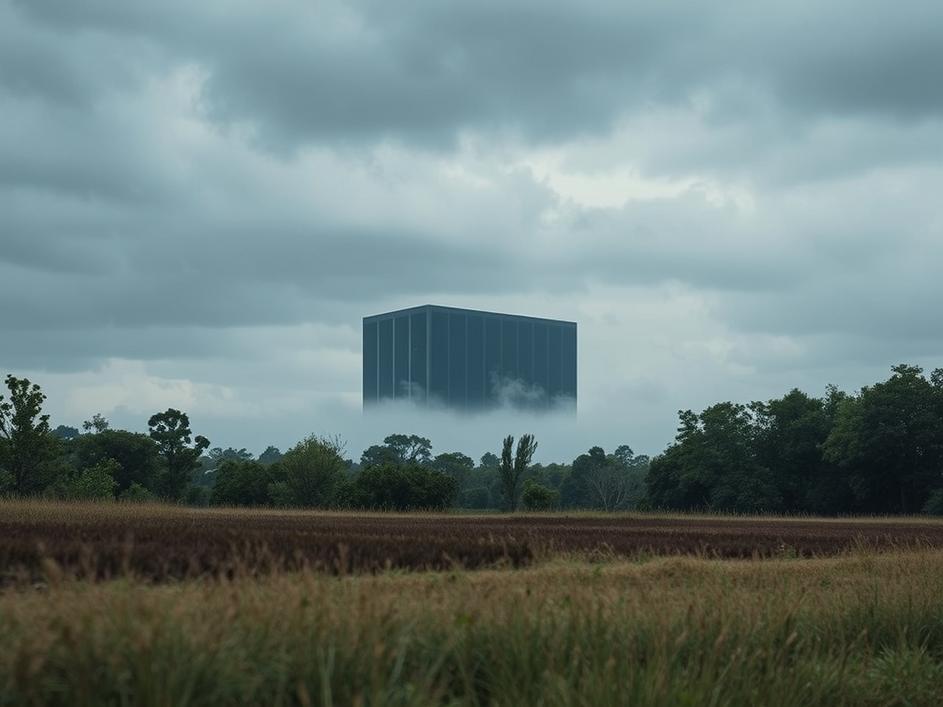
Beyond the immediate environmental and noise concerns, communities often express worries about the visual impact of data centers. These facilities are typically large, industrial-looking buildings that can alter the character of a neighborhood. Residents may feel that the presence of a data center detracts from the natural beauty of the area, diminishes property values, and clashes with the community’s overall aesthetic. The conversion of land for data center construction can also raise concerns about the loss of green spaces, agricultural land, or recreational areas.
Data center developers often tout the economic benefits of their projects, including job creation and increased tax revenue for local governments. However, residents may question whether these benefits outweigh the potential negative impacts. Many data center jobs are highly specialized and may not be accessible to the local workforce. Furthermore, the tax revenue generated may not be sufficient to offset the costs of infrastructure upgrades, increased demand on local services, and potential environmental remediation efforts. It is also increasingly clear that the tax revenue often doesn’t benefit the communities directly impacted, instead being allocated elsewhere.
The demand for data centers is only going to increase as our reliance on digital technologies continues to grow. This creates a challenging situation where the needs of the digital economy clash with the concerns of local communities. Finding a sustainable path forward requires a collaborative approach that addresses the root causes of opposition and prioritizes community engagement. This includes investing in quieter and more energy-efficient cooling technologies, utilizing renewable energy sources, implementing robust water conservation measures, and ensuring that data center projects are designed to minimize their visual impact.
Effective communication and engagement with local communities are essential. Developers need to be transparent about the potential impacts of their projects and actively solicit feedback from residents. Addressing concerns early in the planning process can help build trust and identify solutions that mitigate negative impacts. This may involve offering community benefits packages, such as funding for local schools, parks, or other community initiatives.
Ultimately, the future of data center development depends on finding a balance between the needs of the digital economy and the well-being of local communities. By prioritizing sustainability, engaging in meaningful dialogue, and addressing legitimate concerns, we can create a more harmonious relationship between data centers and the communities where they are located. This not only ensures the continued growth of the digital economy but also protects the environment and enhances the quality of life for all.


Comments are closed