

We are a digital agency helping businesses develop immersive, engaging, and user-focused web, app, and software solutions.
2310 Mira Vista Ave
Montrose, CA 91020

2500+ reviews based on client feedback
What's Included?
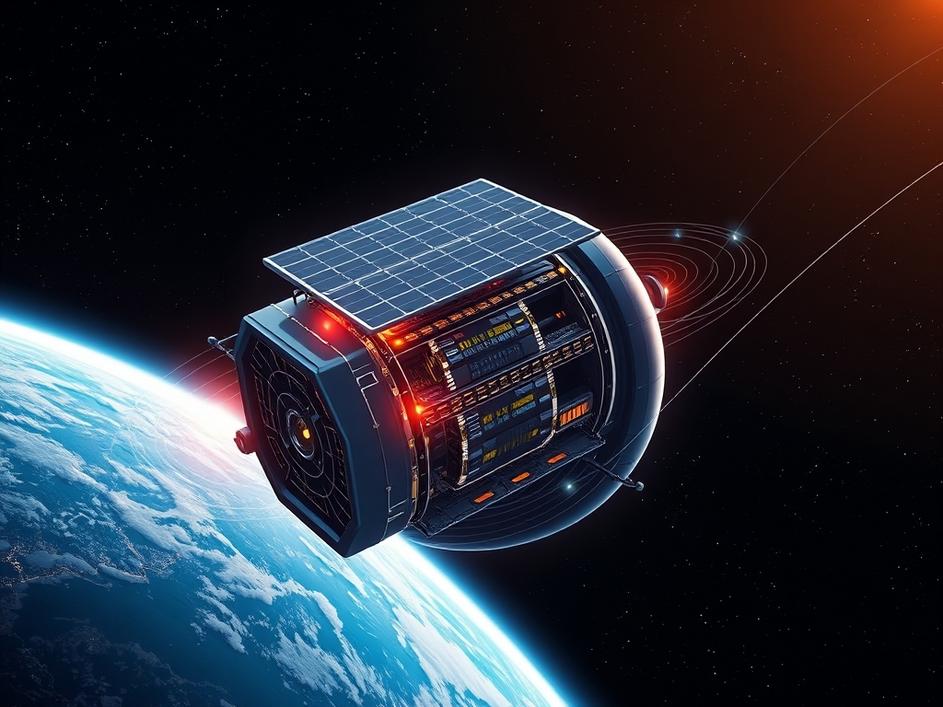
ToggleWe’re used to hearing about space exploration focused on Mars, the Moon, and maybe even asteroid mining. But lately, a different kind of space race has been gaining traction: the quest to put data centers in orbit. Yes, you read that right. Tech CEOs, including Google’s Sundar Pichai, are seriously considering moving the backbone of the internet—data centers—into the cosmos. It sounds like science fiction, but the potential benefits are capturing the attention of some of the biggest players in the tech industry.
So, why would anyone want to launch a data center into space? The primary driver is latency—the delay in data transfer. The speed of light, while incredibly fast, still imposes limits on how quickly data can travel across long distances on Earth. Putting data centers in space, closer to users across the globe, could drastically reduce latency, making applications like real-time gaming, financial trading, and even remote surgery much more responsive and efficient. Think of it: imagine streaming a video game with zero lag, no matter where you are in the world. That’s the promise of space-based data centers.
Google, never one to shy away from ambitious projects, is reportedly exploring this concept through a moonshot initiative called Project Suncatcher. While details are scarce, the idea is to use solar power abundantly available in space to power these orbiting data centers. This aligns with the broader push for sustainable energy sources, as space-based solar power could potentially provide a clean and virtually limitless supply of energy. However, the engineering challenges are immense. Building, launching, and maintaining a data center in the harsh environment of space is no small feat.
Beyond the technical hurdles, there are significant economic and environmental considerations. The cost of launching materials into space remains extremely high, although companies like SpaceX are working to bring those costs down. Cooling is another major challenge. Data centers generate a tremendous amount of heat, and dissipating that heat in the vacuum of space requires innovative solutions. Furthermore, electronic components are susceptible to damage from cosmic rays and radiation in space, necessitating robust shielding and redundancy measures. And we can’t forget the potential for space debris – adding even more large objects could increase collision risks.
While the potential benefits of space-based data centers are enticing, we need to consider the ethical and environmental implications. Launching massive data centers into space will require numerous rocket launches, which contribute to greenhouse gas emissions and can damage the ozone layer. Moreover, there’s the issue of space junk. The more objects we put into orbit, the greater the risk of collisions that could create a cascade of debris, making space increasingly hazardous for future missions. We must proceed with caution, ensuring that the pursuit of technological advancement doesn’t come at the expense of our planet and the long-term sustainability of space exploration.
Is the idea of data centers in space a realistic vision of the future, or is it just another pie-in-the-sky dream? Only time will tell. The technological, economic, and environmental challenges are substantial, but the potential rewards are equally compelling. As the demand for data and computing power continues to grow, and as we push the boundaries of what’s possible, the prospect of moving our digital infrastructure into space may become increasingly attractive. However, it’s crucial that we approach this endeavor responsibly, with a clear understanding of the risks and a commitment to minimizing the impact on our planet and the space environment. The journey to the stars is exciting, but it must be undertaken with careful consideration and a long-term perspective. It may sound like a crazy idea now, but with how rapidly the tech world changes and the ever-increasing need for lower latency, it might not be long until we see the first of these orbital data warehouses.



Comments are closed