

We are a digital agency helping businesses develop immersive, engaging, and user-focused web, app, and software solutions.
2310 Mira Vista Ave
Montrose, CA 91020

2500+ reviews based on client feedback
What's Included?
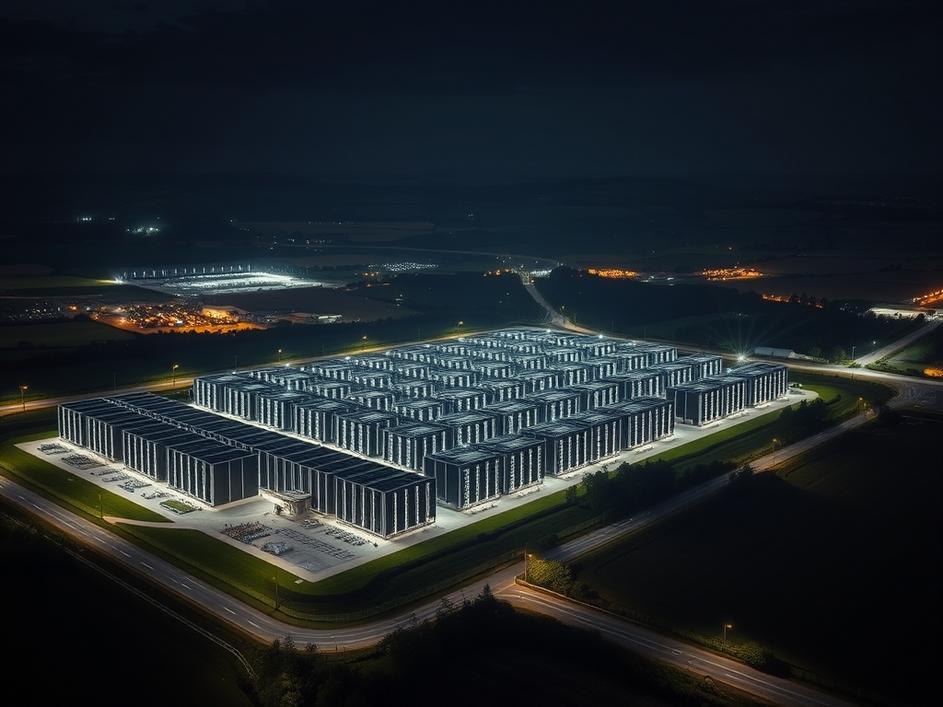
ToggleWe live in a world powered by data. Every social media post, every online transaction, every streaming video contributes to the ever-expanding ocean of digital information. Behind the scenes, massive data centers are the workhorses that store, process, and deliver this data. These facilities, often unseen and unacknowledged by the average user, are essential to our modern digital lives. And tech giants are pushing hard to build more.
But this expansion isn’t happening without controversy. Reports indicate that major tech companies are actively lobbying to gain support for building even more data centers across the United States. These efforts come at a time when many communities are raising concerns about the environmental impact, resource consumption, and overall disruption that these large-scale facilities can bring. The clash between the tech industry’s need for infrastructure and the public’s apprehension is creating a complex and potentially contentious situation.
Data centers consume vast amounts of electricity. Powering the servers, cooling systems, and other equipment necessary to keep these facilities running requires a significant energy input. While some companies are investing in renewable energy sources to offset their carbon footprint, the overall impact on the environment remains a major concern. Furthermore, the water usage required for cooling purposes can strain local resources, especially in areas already facing water scarcity. So, while data centers enable countless digital services, they also present a tangible environmental challenge.
Beyond the environmental impact, communities are voicing other concerns about the proliferation of data centers. These facilities can alter the landscape, generate noise pollution, and potentially impact property values. The promise of new jobs and economic development often touted by proponents may not always materialize to the extent hoped for, leaving communities with the downsides without the significant benefits. It is a classic case of weighing costs versus rewards, and many people feel they don’t have enough say in the process.
The crux of the issue lies in the need for greater transparency and open dialogue between tech companies, government entities, and the communities affected by data center development. Simply pushing through projects without addressing legitimate concerns is likely to create resentment and opposition. Instead, a collaborative approach that takes into account environmental sustainability, community needs, and long-term economic impact is essential. This will likely require clearer regulations and permitting processes that prioritize responsible development.
The challenge is not to halt the growth of data infrastructure altogether, but to find a sustainable path forward. This involves exploring innovative cooling technologies that minimize water consumption, investing in renewable energy sources to power these facilities, and engaging with communities to address their concerns and mitigate any negative impacts. The future of our digital world depends on it.
Data centers are not just some abstract concept, they are physical structures that have tangible impacts on the real world. As our reliance on data continues to grow, it is more important than ever to ensure that the development of this critical infrastructure is done responsibly and with the best interests of both the industry and the communities it affects. Ignoring the concerns of the public is not a viable option. The tech industry must proactively engage in finding solutions that balance progress with environmental and social responsibility.
The cloud might seem ethereal, but its foundations are firmly planted in the ground. These foundations are the data centers, and their impact is very real. It’s time to move beyond the hype and have an honest conversation about the true costs and benefits of these facilities. Only through transparency, collaboration, and a commitment to sustainability can we ensure that the digital revolution benefits everyone, not just a select few.



Comments are closed