

We are a digital agency helping businesses develop immersive, engaging, and user-focused web, app, and software solutions.
2310 Mira Vista Ave
Montrose, CA 91020

2500+ reviews based on client feedback
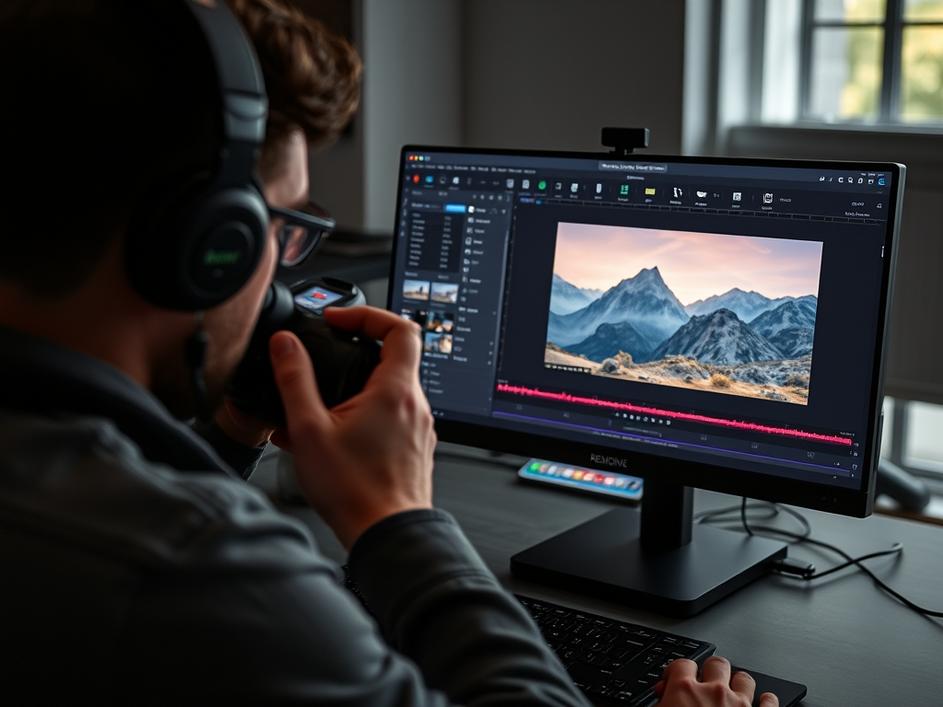
DaVinci Resolve, already a powerhouse in video editing, color correction, visual effects, and audio post-production, is now setting its sights on a new frontier: photo editing. Blackmagic Design’s latest update, DaVinci Resolve 21, brings a suite of new tools and workflow enhancements specifically designed for photographers. This move positions Resolve as a direct competitor to established players like Adobe Lightroom and Photoshop, offering a comprehensive solution for creative professionals who work with both still and moving images.
The update introduces a dedicated photo editing workspace within Resolve, streamlining the process for importing, organizing, and editing photographs. Key additions include advanced RAW image support, allowing for non-destructive editing of original camera files. This means photographers can adjust exposure, contrast, white balance, and other parameters without altering the original image data, preserving maximum quality and flexibility. Also, a new AI-powered masking tool promises to simplify complex selections, allowing for targeted adjustments to specific areas of an image with ease. This is huge because masking is often a tedious and time-consuming process in other software.
What sets Resolve apart is its integrated workflow. Unlike Lightroom and Photoshop, which often require exporting and importing files between applications, Resolve allows users to seamlessly transition between photo editing, video editing, color grading, and other post-production tasks within a single project. This interconnectedness can save significant time and effort, especially for creatives who work with mixed media. Imagine editing a set of photos for a documentary and then immediately incorporating them into the video timeline, all within the same software environment. The possibilities are exciting, and the efficiency gains could be substantial.
For years, Adobe has dominated the creative software landscape with its subscription-based model. While powerful, Adobe’s suite can be expensive, especially for independent filmmakers or photographers on a budget. DaVinci Resolve, with its perpetual license option and robust free version, presents a compelling alternative. By expanding its photo editing capabilities, Resolve is not only attracting new users but also offering existing users a more complete and cost-effective solution. The competition is heating up, and that’s good news for creatives who now have more choices than ever before.
While DaVinci Resolve offers a lot, it’s important to acknowledge the learning curve. The software is feature-rich, and mastering all its capabilities takes time and dedication. However, Blackmagic Design offers extensive training resources, including tutorials and certification programs, to help users get up to speed. And the benefits of learning Resolve are significant: a single, powerful tool that can handle virtually any post-production task, from basic photo edits to complex video effects. It’s an investment in your skills and your creative potential.
DaVinci Resolve’s foray into photo editing marks a significant shift in the creative software industry. By offering a comprehensive, integrated solution, Blackmagic Design is challenging the traditional siloed approach to post-production. This move has the potential to streamline workflows, save time, and empower creatives to bring their visions to life more efficiently. Whether you’re a photographer, videographer, or a multi-disciplinary creative, DaVinci Resolve 21 is worth exploring. It could be the tool that unlocks your next creative breakthrough.
DaVinci Resolve 21’s photo editing tools are a welcome addition to an already impressive suite. While it may not completely replace dedicated photo editors for some professionals, the integration with video editing and color grading workflows is a major advantage. The RAW support and AI-powered masking are significant improvements, and the cost-effective licensing options make it an attractive alternative to Adobe’s subscription model. Resolve’s entry into the photo editing arena is a bold move that could reshape the future of creative workflows.
It will be interesting to see how Adobe responds to this challenge. Will they offer deeper integration between their applications, or will they focus on improving individual features? Regardless, the competition between these two giants will ultimately benefit creatives, driving innovation and pushing the boundaries of what’s possible. As DaVinci Resolve continues to evolve, it’s poised to become an even more essential tool for anyone involved in visual storytelling.



Comments are closed