

We are a digital agency helping businesses develop immersive, engaging, and user-focused web, app, and software solutions.
2310 Mira Vista Ave
Montrose, CA 91020

2500+ reviews based on client feedback
What's Included?
ToggleNavigating the world of artificial intelligence can feel like hacking through a dense jungle. Acronyms and technical terms sprout up everywhere, making it tough to understand what’s really going on. You hear about LLMs, neural networks, and hallucinations, and it’s easy to get lost. This guide aims to clear the underbrush and explain some common AI terms in plain English, so you can follow the conversation without needing a PhD in computer science.
Let’s start with Large Language Models, or LLMs. These are the engines behind many of the AI tools we use daily, like chatbots and writing assistants. Think of them as gigantic digital parrots that have ingested the internet. They’ve been trained on massive amounts of text data, allowing them to generate human-like text, translate languages, and even write different kinds of creative content. They predict the next word in a sequence, and they do it really, really well because they have seen so much text. But this ability to generate text also brings some challenges.
One of the most talked-about problems with LLMs is “hallucinations.” This isn’t about AI seeing things that aren’t there, but rather generating information that is factually incorrect or nonsensical. Because LLMs are trained to predict sequences, they can sometimes confidently produce answers that are completely made up. It’s like asking a friend a question and getting a very convincing, but totally wrong, answer. This is a major issue, especially when AI is used in areas where accuracy is critical, like medicine or finance.
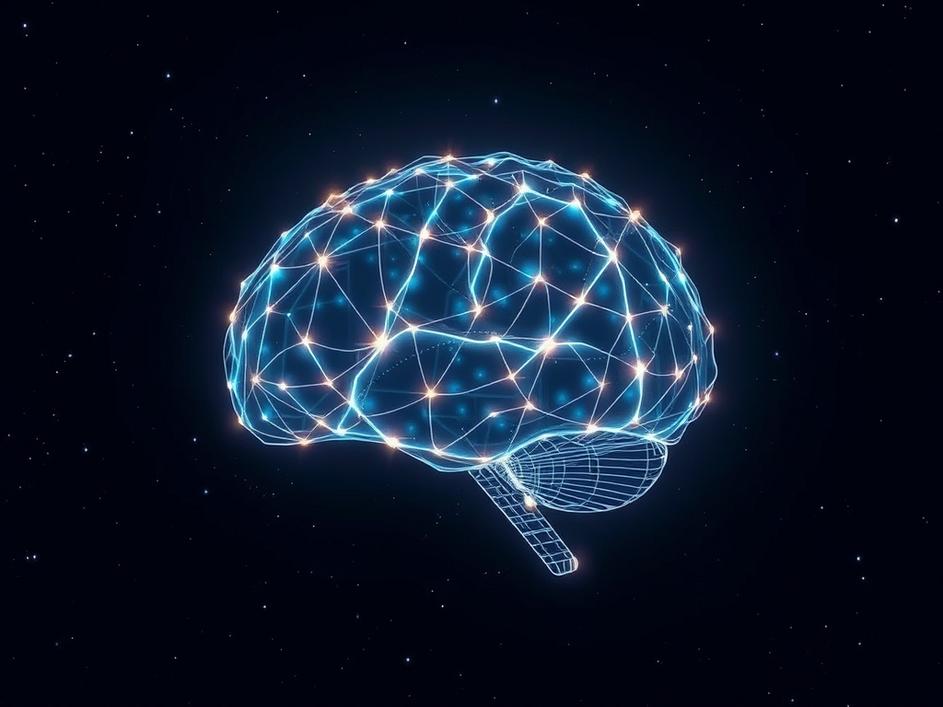
Now, let’s talk about neural networks. These are the fundamental building blocks of many AI systems. They are inspired by the structure of the human brain, with interconnected nodes (neurons) that process and transmit information. These networks learn by adjusting the connections between these nodes based on the data they are fed. The more data they process, the better they become at recognizing patterns and making predictions. For instance, a neural network can learn to recognize cats in images by being shown thousands of pictures of cats. It’s important to remember that, unlike a human brain, these networks are specialized and designed for a very specific set of tasks and operations.
The quality and quantity of training data are crucial for the performance of any AI model. If you feed an AI model biased or incomplete data, it will likely produce biased or inaccurate results. This is often summarized by the phrase “garbage in, garbage out.” The data used to train LLMs, for example, comes from all corners of the internet. This data is not curated, and therefore, can introduce harmful information that results in biased and unfair results. Ensuring that AI systems are trained on diverse and representative datasets is essential for fairness and accuracy.
AI bias is a significant concern. AI systems can inherit and amplify biases present in the data they are trained on. This can lead to unfair or discriminatory outcomes, especially for underrepresented groups. For example, a facial recognition system trained primarily on images of white men may perform poorly on people of color or women. Addressing bias in AI requires careful attention to data collection, model design, and ongoing monitoring.
AI is rapidly evolving, and its impact on our lives will only continue to grow. Whether it’s through self-driving cars or AI assistants, understanding the basics of AI is becoming increasingly important. By demystifying the jargon and explaining the core concepts in simple terms, we can empower ourselves to make informed decisions about the use and development of AI. We can discuss the ethical considerations and the societal impact that these amazing tools can have. The more people understand AI, the better equipped we will be to shape its future.
It’s easy to get caught up in the hype surrounding AI, but it’s crucial to separate the reality from the science fiction. AI is a powerful tool, but it’s not magic. It has limitations, biases, and potential risks that need to be carefully considered. By understanding the fundamental concepts, we can have more informed conversations about the responsible development and deployment of AI. We can ask better questions, and we can demand accountability from those who are building these systems.
Don’t be intimidated by the technical jargon. AI is a tool, and like any tool, it can be used for good or ill. By taking the time to understand the basics, you can become a more informed user, a more engaged citizen, and a more effective advocate for responsible AI. The future of AI is not predetermined. It’s up to all of us to shape it.



Comments are closed