Understanding the Shift
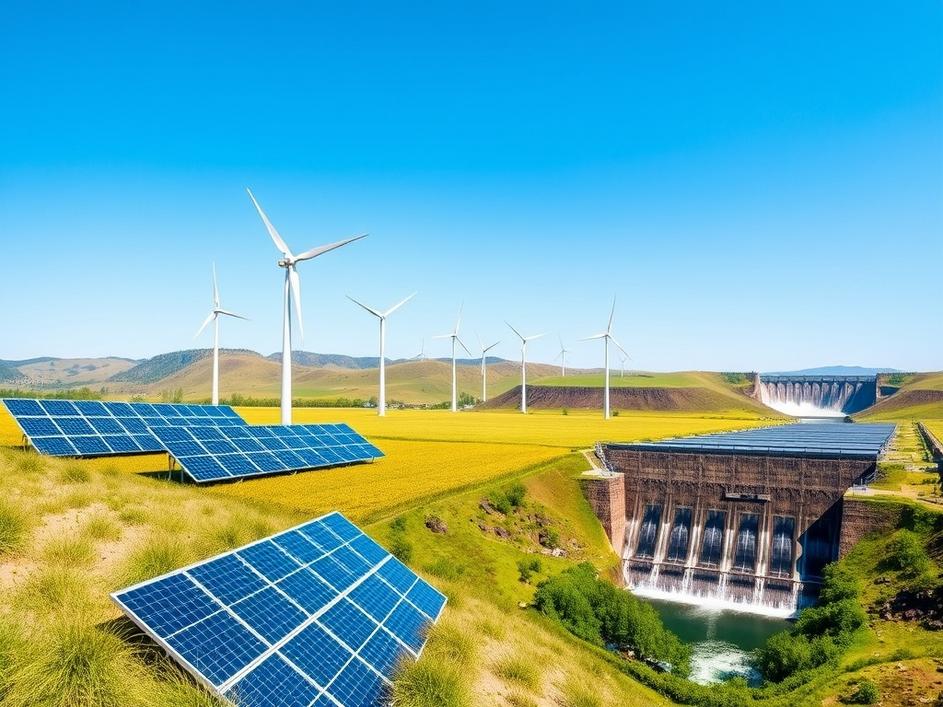
In recent years, the world has witnessed a significant shift towards renewable energy sources. With climate change becoming an ever-pressing issue, governments and organizations are rallying to adopt sustainable solutions. This change is not just a trend; it’s a necessity for our planet’s health. Industries are beginning to embrace solar, wind, and hydroelectric power, all showing a promise of reducing our carbon footprint. Many companies are investing heavily in research and development to create more efficient technologies that harness these natural resources.
The Rise of Solar Energy
Among the various forms of renewable energy, solar has seen remarkable growth. This year, numerous innovations have made solar panels more efficient and accessible. Technological advancements mean that we can now capture more sunlight than ever before, allowing homeowners and businesses to benefit greatly from solar power. With incentives from governments, the barriers to entry are lower, and we’re seeing more installations across urban and rural areas alike. It’s not just eco-warriors embracing solar; more traditional sectors are also taking the plunge, making it a truly mainstream solution.
The Benefits of Wind Power
Wind energy is another area experiencing a surge. Wind farms are popping up in places you wouldn’t expect. They’re not just confined to coastal or windy regions anymore. As technology progresses, turbines are becoming more efficient and suited to varied environments. The investment in wind energy creates jobs and stimulates local economies. Plus, it offers a clean energy source that can power entire communities. The dual benefits of environmental responsibility and economic growth make wind energy a cornerstone in the transition to sustainable energy.
Challenges on the Horizon
While the progress is encouraging, it’s important to recognize the hurdles we still face. There are political, economic, and infrastructural challenges that can slow this transition. Policy changes can impact funding for renewable projects, and not all regions are willing or equipped to invest in new energy sources. Additionally, the storage of solar and wind energy remains a technical hurdle. Until we develop better battery technology, relying completely on renewables may come with limitations.
A Call for Collaboration
To navigate these challenges effectively, collaboration is key. Governments, businesses, and consumers need to work together to promote and adopt renewable energy solutions. Public awareness campaigns can educate consumers about the benefits of renewable sources, leading to greater demand and acceptance. Moreover, partnerships between private companies and public entities can unlock funds for large-scale renewable projects. Everyone has a role to play in this transition.






Comments are closed