

We are a digital agency helping businesses develop immersive, engaging, and user-focused web, app, and software solutions.
2310 Mira Vista Ave
Montrose, CA 91020

2500+ reviews based on client feedback
What's Included?
ToggleWe often encounter presentations that flash by, filled with data and diagrams. But sometimes, a seemingly simple slideshow, like Dr. Padmini’s ISC presentation on microbiology, offers a window into a fascinating world we rarely consider. While the original source is presented as a downloadable file, it’s the concepts and potential insights within that deserve closer examination. This isn’t just about accessing a presentation; it’s about understanding the implications of the microscopic realm and its impact on our lives.
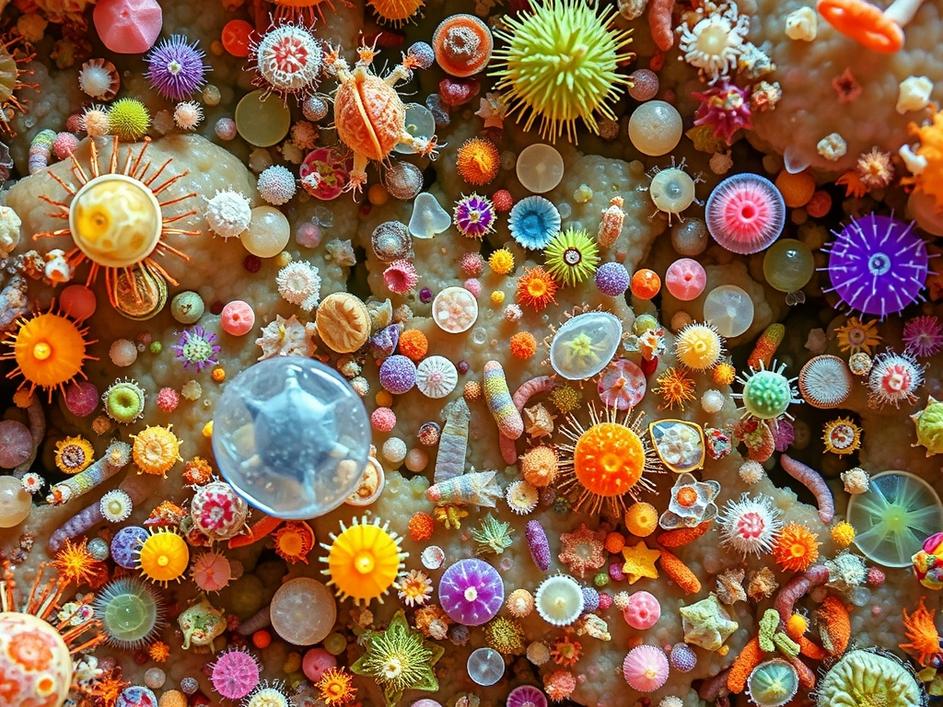
Microbiology, the study of microorganisms, is far more relevant than many realize. These tiny entities, invisible to the naked eye, drive essential processes on our planet. They are the foundation of many food chains, play a critical role in nutrient cycling, and are even integral to our own health. From the bacteria in our gut that aid digestion to the fungi used in producing antibiotics, microbes are constantly at work, shaping our world in profound ways. A presentation on this topic, therefore, isn’t just academic; it’s a look at the very forces that sustain life.
Without access to the actual slides, we can only speculate on the specific content. However, based on the general scope of microbiology, it’s reasonable to assume the presentation likely covered several key areas. These might include: the classification and diversity of microorganisms (bacteria, viruses, fungi, protozoa), microbial physiology and metabolism (how microbes function and obtain energy), microbial genetics (the study of genes in microorganisms), and the role of microbes in disease (pathogenesis, epidemiology, and immunity). It would also likely delve into the beneficial aspects of microbes, such as their use in biotechnology and bioremediation.
The field of microbiology is constantly evolving. New discoveries are being made at a rapid pace, driven by advances in technology and a growing awareness of the importance of microbes. One of the major challenges is understanding the complex interactions between microbes and their environment, including the human body. The rise of antibiotic resistance is another significant concern, highlighting the need for new strategies to combat infectious diseases. However, these challenges also present opportunities. Researchers are exploring novel approaches to harness the power of microbes for a variety of applications, from developing new biofuels to creating personalized medicine.
The invitation to download the presentation raises an important question: how do we effectively engage with scientific content in a digital age? Simply downloading a file is not enough. We need to actively process the information, critically evaluate the evidence, and consider the broader implications. This might involve reading related research articles, participating in online discussions, or even conducting our own experiments. The goal is to move beyond passive consumption and become active learners, capable of applying scientific knowledge to real-world problems. It is important to be cautious of the sources for information, though. Be sure to verify all information with trusted sources when doing your own research.
Most people associate microbiology with germs and diseases, and while that’s certainly a part of it, it’s a far cry from the whole picture. Think about the fermentation processes that give us beer, wine, yogurt, and cheese. Consider the role of microbes in composting and breaking down waste. Even the air we breathe is influenced by microbial activity. Understanding these connections can help us make more informed decisions about our health, our environment, and our food choices. It encourages a more holistic view of the world, recognizing the interconnectedness of all living things.
The future of microbiology is bright, filled with potential for innovation and collaboration. As we continue to unravel the mysteries of the microbial world, we can expect to see breakthroughs in medicine, agriculture, and environmental science. This will require interdisciplinary collaboration, bringing together scientists from different fields to tackle complex challenges. It will also require a commitment to open science, sharing data and resources to accelerate the pace of discovery. Ultimately, the goal is to harness the power of microbes for the benefit of all humanity.
Dr. Padmini’s presentation, whatever its specific contents, serves as a reminder of the importance of the unseen world around us. Microbes are not just abstract entities confined to laboratories; they are active participants in our lives, shaping our health, our environment, and our future. By understanding their role, we can make more informed decisions and work towards a more sustainable and healthy world. We should seek to better understand the complex world around us, and consider how our own actions affect these tiny inhabitants.


Comments are closed