

We are a digital agency helping businesses develop immersive, engaging, and user-focused web, app, and software solutions.
2310 Mira Vista Ave
Montrose, CA 91020

2500+ reviews based on client feedback
What's Included?
ToggleWe’ve all been there: captivated by a fictional item, a tool, or a weapon from a beloved game, book, or movie. There’s something about the intricate details, the implied history, and the sheer coolness factor that grabs our attention. But what happens when we start to pick these things apart, to really analyze their design and functionality? That’s where the magic truly begins. Instead of just seeing a cool-looking gadget, we start to understand the thought process behind its creation, the lore that shapes its purpose, and the subtle nuances that make it unique.
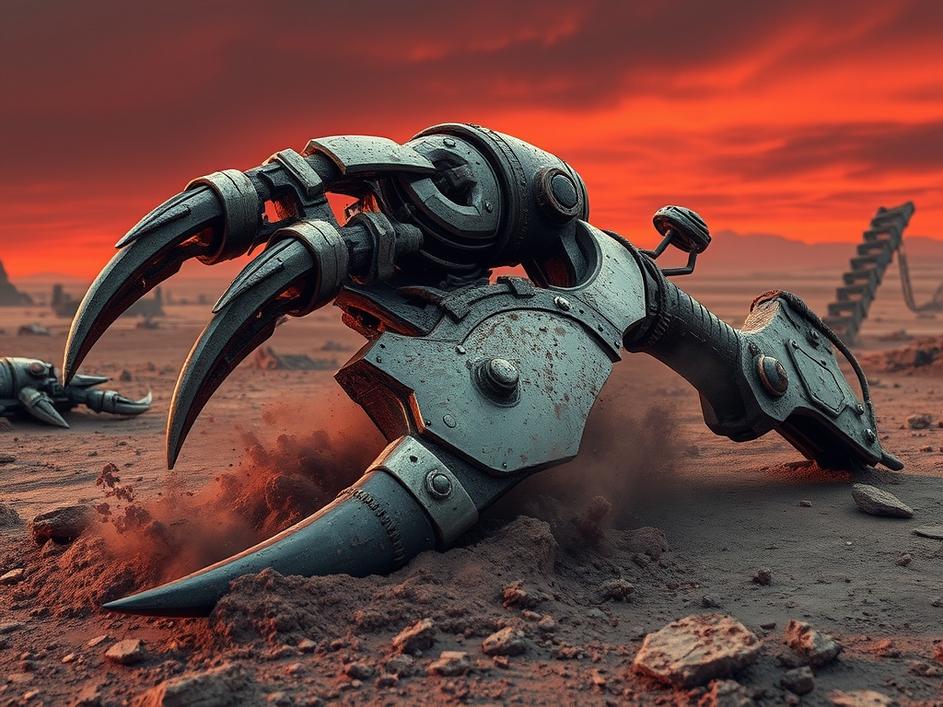
Let’s take the Silkshot, for example. It’s a fascinating tool, and a deep dive into its construction, even a ruined version of it, reveals so much about the world it comes from. We’re not just looking at metal and mechanisms; we’re looking at a story. The wear and tear, the specific design choices, the very materials used – all these elements whisper tales of a bygone era, a lost technology, or a specific purpose. The analysis brings the item to life.
It’s easy to get caught up in the visual appeal of a fictional tool. But the real reward comes from considering its functionality. What does the Silkshot *do*? How does it work? Why does it exist? By asking these questions, we move beyond simple appreciation and enter a realm of critical thinking. We start to understand the tool’s place within its fictional ecosystem. Imagine figuring out that the claw design is for latching onto specific types of surfaces, or that a certain component hints at a previously unknown energy source. This deep dive transforms a simple object into a critical piece of world-building.
There’s something to be said for the original, untouched version of a tool. While ruined or altered versions offer glimpses into history and potential misuse, the “unmodified” state represents the purest form of the designer’s intent. It allows us to see the tool as it was *meant* to be used, to understand its original function without the distortions of time or circumstance. In the case of the Silkshot, imagining its pristine form helps us appreciate the craftsmanship and the thought that went into its creation. It allows us to speculate on its original capabilities and the role it played in its society.
Ultimately, the act of breaking down a fictional tool like the Silkshot isn’t about diminishing its coolness; it’s about enhancing it. It’s about moving beyond surface-level admiration and engaging with the creation on a deeper, more meaningful level. By analyzing the design, considering the functionality, and exploring the lore, we gain a richer understanding of the world it inhabits. We develop a greater appreciation for the artistry and imagination of the creators. And, perhaps most importantly, we learn to think critically about the objects, stories, and worlds that capture our imaginations.
Analyzing a ruined tool also sparks our own creativity. We begin to speculate: What cataclysmic event caused this damage? Was the Silkshot misused, or was it a victim of circumstance? What kind of maintenance would it have required? These questions invite us to participate in the world-building process, to become active contributors to the story. We’re no longer passive consumers; we’re engaged explorers, piecing together fragments of the past to construct our own narratives.
There’s a unique fascination surrounding lost technology, especially when it’s presented in a ruined state. It speaks to our inherent curiosity about the past and our anxieties about the future. The Silkshot, in its fractured form, becomes a symbol of both potential and fragility. It reminds us that even the most advanced tools are susceptible to the ravages of time and the consequences of misuse. This sense of transience adds another layer of depth to its appeal.
The lessons learned from deconstructing the Silkshot can be applied to any fictional artifact. Whether it’s a lightsaber from Star Wars, a portal gun from Rick and Morty, or a magical amulet from a fantasy novel, the principles remain the same. By looking beyond the surface and engaging with the underlying design and lore, we can unlock a deeper appreciation for the art of world-building and the power of imagination. The next time you encounter a fascinating tool in fiction, resist the urge to simply admire it. Take the time to dissect it, to understand it, and to appreciate the story it tells. You might be surprised at what you discover.
Ultimately, engaging with fictional worlds on a critical level enriches our experience and broadens our perspective. It teaches us to think critically, to ask questions, and to appreciate the artistry behind the things we enjoy. So, the next time you find yourself drawn to a fascinating tool like the Silkshot, don’t just passively consume it. Dive in, explore its depths, and let your imagination run wild. The rewards are well worth the effort.



Comments are closed